

What is Quartz Sand Powder Pneumatic Conveying, Classification and Applications of Pneumatic Conveyi
Quartz sand powder pneumatic conveying is a key technology in material handling, particularly for transporting fine powders like quartz sand. This method uses air as the medium to move particles through a pipeline system. Understanding its principles, classifications, and practical applications is crucial for industries dealing with such materials. In this article, we explore the fundamentals of quartz sand powder pneumatic conveying, its different types, and real-world applications, with a focus on the expertise of Shandong HeadPowder Engineering Co., Ltd.
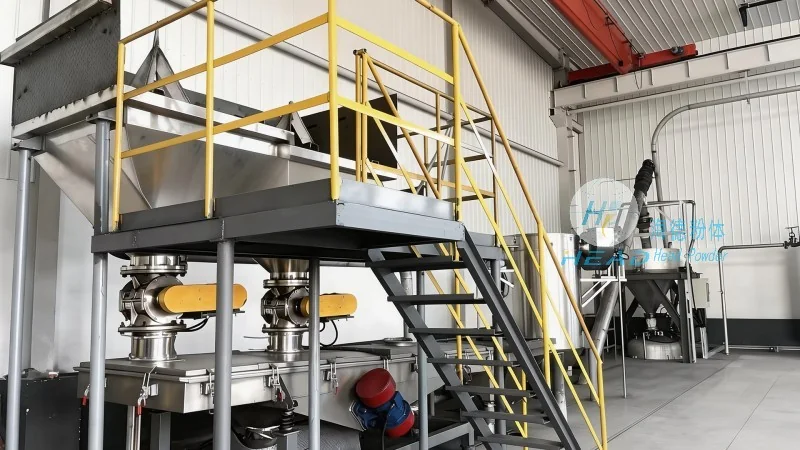
About Shandong HeadPowder Engineering Co., Ltd.
Shandong HeadPowder Engineering Co., Ltd., commonly known as headpowder, is a leading provider of pneumatic conveying solutions. With a strong presence in China, particularly in Shandong, the company specializes in designing, manufacturing, and implementing efficient systems for handling fine powders. Their expertise ensures that clients receive tailored solutions that meet specific operational requirements, enhancing productivity and safety in material transport processes.
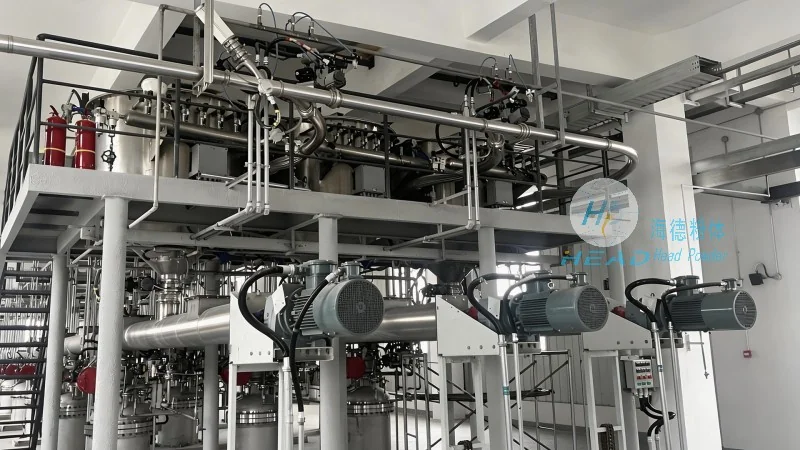
Classification of Pneumatic Conveying Systems
Pneumatic conveying systems are broadly categorized based on the direction of air flow and the pressure used. The two main types are pressure and vacuum systems. Pressure systems operate by forcing air and material through the pipeline, typically using positive pressure. Vacuum systems, on the other hand, draw material into the system using negative pressure. Within these categories, subtypes include dilute phase and dense phase conveying. Dilute phase systems are suitable for light materials and long distances, while dense phase systems are ideal for handling abrasive or sensitive materials, ensuring minimal degradation and efficient transport.
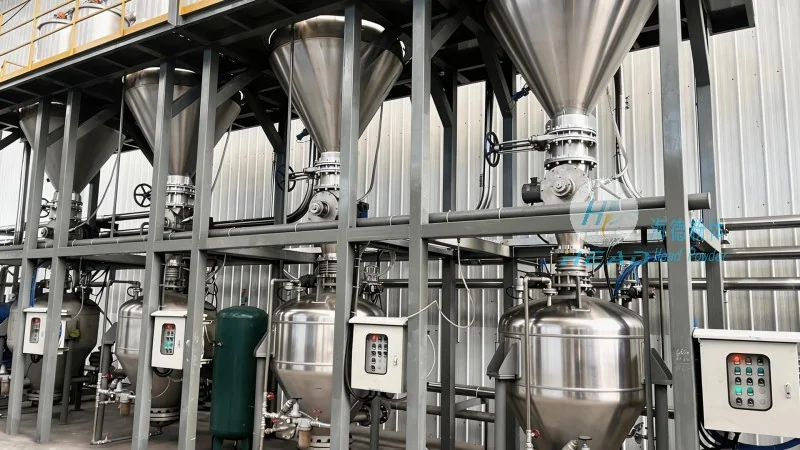
Applications of Quartz Sand Powder Pneumatic Conveying
Quartz sand powder pneumatic conveying finds extensive use in various industries due to its ability to handle fine, abrasive materials. In the construction industry, it is used for transporting sand and other aggregates to job sites, improving efficiency and reducing manual labor. The mining sector utilizes this technology for transporting crushed quartz sand from processing plants to storage or further processing facilities. Additionally, in the glass manufacturing industry, quartz sand is a critical raw material, and pneumatic conveying ensures a consistent supply of high-quality sand, maintaining the purity required for glass production. The automotive and aerospace industries also benefit from this method, as it enables the transport of fine powders used in coating and composite materials, ensuring precision and quality in manufacturing processes.
Advantages of Quartz Sand Powder Pneumatic Conveying
Compared to traditional methods like belt conveyors or bucket elevators, quartz sand powder pneumatic conveying offers several advantages. It eliminates the need for moving parts in contact with the material, reducing wear and tear and maintenance costs. The system is also flexible, allowing for changes in material flow direction and capacity without major modifications. Furthermore, it provides better control over the material's temperature and moisture content, which is vital for maintaining the quality of quartz sand, especially in applications where purity is critical. The enclosed pipeline system also minimizes dust emissions, contributing to a cleaner working environment and compliance with environmental regulations.
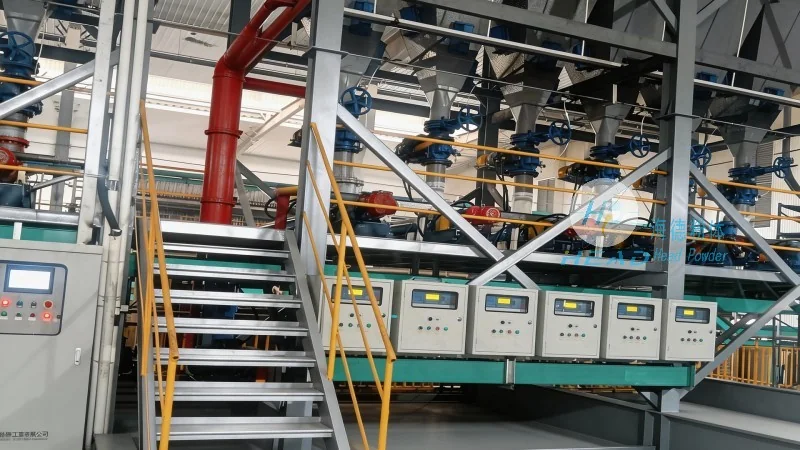
Conclusion
Quartz sand powder pneumatic conveying is a sophisticated and efficient method for handling fine powders, with applications spanning multiple industries. The expertise of companies like Shandong HeadPowder Engineering Co., Ltd. plays a vital role in implementing these systems, ensuring that industries can achieve optimal performance, safety, and cost-effectiveness. By understanding the classifications and applications of pneumatic conveying, businesses can make informed decisions to enhance their material handling processes and meet the demands of modern production.