

What is Sodium Hydroxide Powder Pneumatic Conveying? Classification and Applications of Pneumatic Co
Sodium hydroxide powder, commonly known as caustic soda, is a widely used chemical in various industrial sectors. The efficient transportation of this fine powder is critical for maintaining product quality and operational efficiency. Pneumatic conveying, a method that uses air or gas to transport solid materials, has become a preferred solution for handling sodium hydroxide powder due to its ability to manage fine particles and maintain material integrity.
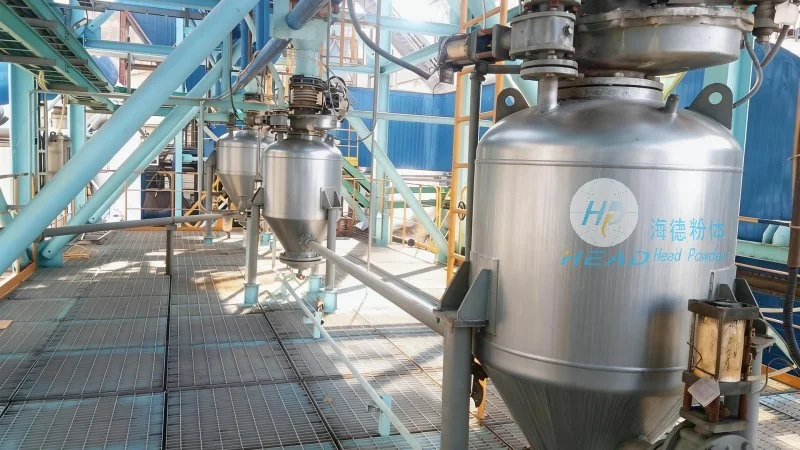
Pneumatic Conveying: A Fundamental Process
Pneumatic conveying systems operate by creating a pressure differential between the material source and the destination. This process involves moving sodium hydroxide powder through a pipeline using a gas stream, typically air. The system is designed to handle the hygroscopic and reactive nature of sodium hydroxide, ensuring that the material remains dry and free from contamination during transport. For industries such as chemical manufacturing, water treatment, and cleaning, the ability to transport sodium hydroxide powder efficiently is essential for seamless production workflows.
Classification of Pneumatic Conveying Systems
Pneumatic conveying systems are categorized into two primary types: pressure and vacuum systems. Pressure systems utilize positive pressure to push material through the conveying line, while vacuum systems employ negative pressure to draw material into the system. For sodium hydroxide powder, pressure systems are often favored because they provide better control over flow rates and are less prone to clogging with fine powders. The choice of system depends on factors such as the distance to be covered, the volume of material, and the specific properties of the sodium hydroxide powder being handled.
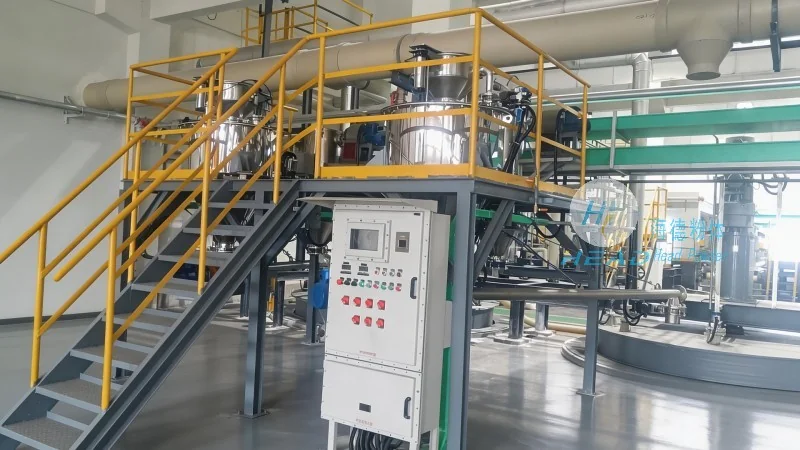
Key Components in a Sodium Hydroxide Powder Pneumatic Conveying System
A typical pneumatic conveying system for sodium hydroxide powder includes several critical components. These include a material feeder, which ensures a consistent and controlled flow of powder into the system; a conveying line, which transports the material from the source to the destination; a dust collector, to capture any airborne particles and maintain air quality; and a control system, which regulates pressure and flow rates to optimize performance. Each component must be engineered to handle the unique characteristics of sodium hydroxide powder, such as its reactivity and tendency to clump when exposed to moisture.
Applications of Pneumatic Conveying in Sodium Hydroxide Handling
Sodium hydroxide powder is integral to numerous industrial processes, and pneumatic conveying enables its efficient delivery to these applications. In chemical manufacturing, sodium hydroxide is used in the production of soaps, detergents, and other cleaning agents. Pneumatic conveying allows for the seamless transfer of the powder from storage silos to production lines, ensuring that the material is delivered in a controlled manner without spillage or contamination. Similarly, in water treatment facilities, sodium hydroxide is employed to adjust the pH of water, and pneumatic conveying facilitates the quick and safe delivery of the powder to treatment tanks. Other applications include paper manufacturing, where sodium hydroxide is used in the pulping process, and metal processing, where it serves as a cleaning agent.
Advantages of Pneumatic Conveying for Sodium Hydroxide Powder
Implementing a pneumatic conveying system for sodium hydroxide powder offers several distinct advantages over traditional material handling methods. One key benefit is the ability to handle fine powders without the risk of clogging or blockages, which can occur with belt conveyors or manual handling. This reduces downtime and maintenance costs, as the system is less prone to mechanical failures. Additionally, pneumatic conveying enhances workplace safety by containing the material within the system and preventing dust exposure, which is crucial given the potential health hazards of sodium hydroxide powder. The system also provides precise control over flow rates and pressure, ensuring that the sodium hydroxide is delivered at the exact rate required for the process. This level of control helps maintain product quality and consistency, which is vital in industries where sodium hydroxide is a key ingredient.
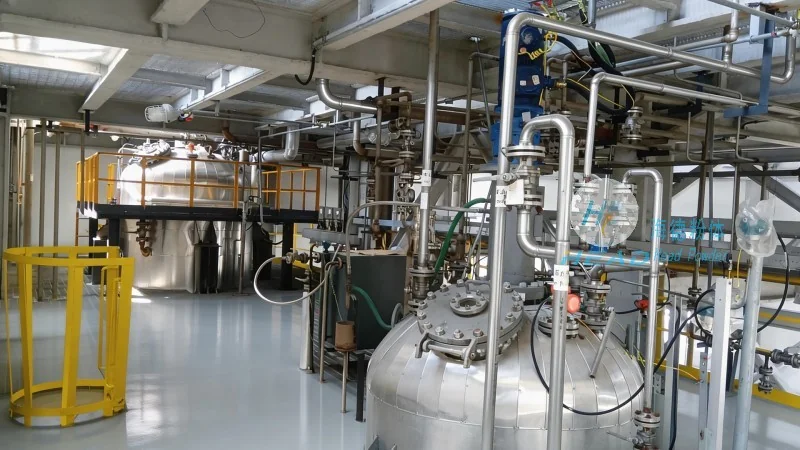
Challenges and Mitigation Strategies
While pneumatic conveying offers significant benefits, handling sodium hydroxide powder presents unique challenges. The hygroscopic nature of sodium hydroxide means it can absorb moisture from the air, leading to clumping and clogging in the conveying system. To address this, systems often incorporate drying or moisture control measures, such as using desiccant filters or maintaining a controlled humidity level within the pipeline. Another consideration is the reactivity of sodium hydroxide with certain materials, which may require specialized equipment, such as corrosion-resistant components, to prevent degradation or contamination of the powder. Proper system design and maintenance are essential to mitigate these challenges and ensure reliable operation.
Conclusion
Pneumatic conveying is a critical technology for the efficient and safe handling of sodium hydroxide powder, a fundamental chemical in many industrial processes. By understanding the classification of pneumatic conveying systems and the specific requirements of sodium hydroxide powder, industries can select the most appropriate system to meet their operational needs. The benefits of improved efficiency, enhanced safety, and consistent product quality make pneumatic conveying an attractive option for companies like Shandong HeadPowder Engineering Co., Ltd., a leading provider of engineering solutions for material handling and processing. With expertise in designing and implementing pneumatic conveying systems tailored to the unique properties of sodium hydroxide powder, Shandong HeadPowder Engineering Co., Ltd. helps industries optimize their material transport processes and maintain high standards of product quality and workplace safety.