

Classification and Application Analysis of Dry Sand Pneumatic Conveying Systems
HeadPowder, a leading engineering company based in Shandong, China, specializes in the design, manufacturing, and implementation of advanced pneumatic conveying systems for dry sand applications. This article provides a comprehensive overview of the classification of dry sand pneumatic conveying systems and their practical applications, highlighting the technical aspects and operational benefits that make these systems essential in various industrial sectors.
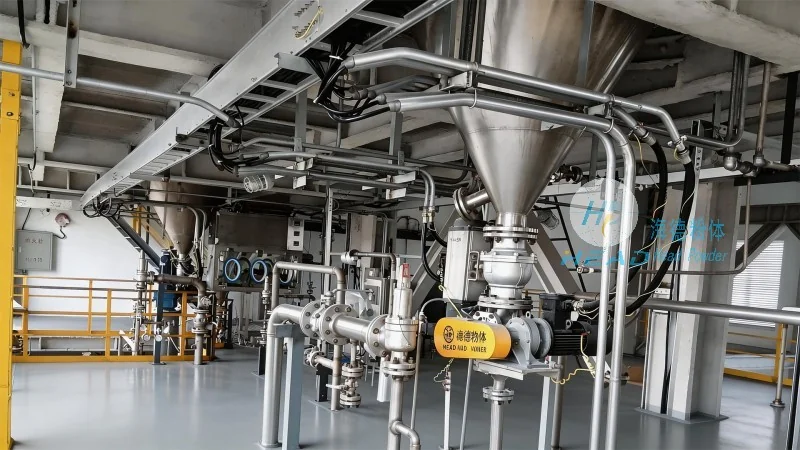
Overview of Dry Sand Pneumatic Conveying Systems
Dry sand pneumatic conveying systems are engineered to transport dry granular materials like sand through a pipeline using air as the conveying medium. These systems are widely used in construction, mining, and manufacturing industries due to their efficiency, flexibility, and ability to handle abrasive materials without causing wear and tear on equipment. The primary goal of such systems is to move dry sand from a source point to a destination point while maintaining material integrity and minimizing operational costs.
Classification of Dry Sand Pneumatic Conveying Systems
Dry sand pneumatic conveying systems can be broadly classified into two main categories: pressure and vacuum systems. Each type has distinct characteristics and is suitable for different operational requirements.
Pressure Pneumatic Conveying Systems
Pressure systems operate by introducing air or other gases under pressure into the conveying line at the discharge end. The material is fed into the system at the inlet, and the pressurized air pushes the sand through the pipeline to the collection point. This method is particularly effective for long-distance and high-volume transport, as it can maintain consistent flow rates and handle abrasive materials without significant wear. Pressure systems are commonly used in applications where the material needs to be conveyed over considerable distances or where the destination is at a higher elevation than the source.
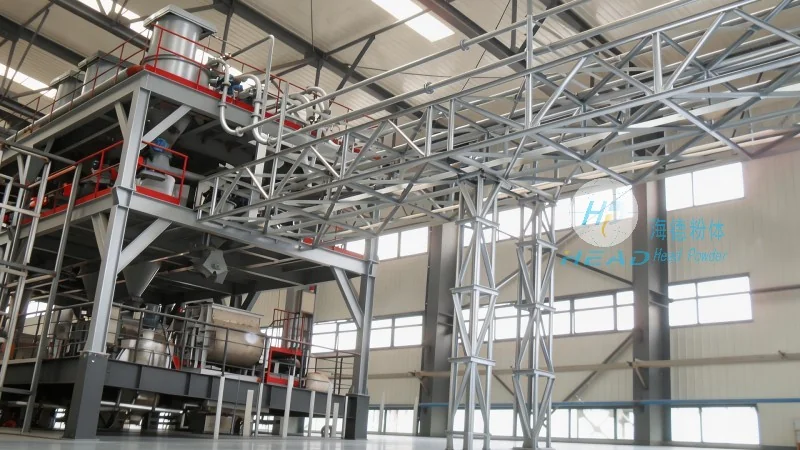
Vacuum Pneumatic Conveying Systems
Vacuum systems, on the other hand, create a negative pressure at the inlet to draw the dry sand into the system. The material is then transported through the pipeline by the vacuum created at the inlet, with air being drawn in from the discharge end. This approach is ideal for short-distance and low-volume applications, as well as for situations where the material needs to be collected from multiple points or where the destination is at a lower elevation than the source. Vacuum systems are generally more suitable for handling fine or light materials, though they can also be adapted for sand transport with appropriate modifications.
Key Components of Dry Sand Pneumatic Conveying Systems
Regardless of the classification, dry sand pneumatic conveying systems typically consist of several critical components that work in tandem to ensure efficient operation. These components include the material feeder, which introduces the sand into the system; the conveying line, which transports the material; the air supply unit, which provides the necessary pressure or vacuum; and the control system, which regulates the flow and pressure to maintain optimal performance.
Applications of Dry Sand Pneumatic Conveying Systems
Dry sand pneumatic conveying systems find extensive applications across various industries. In the construction sector, these systems are used to transport sand from storage silos to concrete mixing plants, ensuring a consistent supply of raw materials. In mining operations, they help in moving sand from extraction sites to processing facilities, improving operational efficiency and reducing labor costs. Additionally, in manufacturing industries, such as foundries and glass production, dry sand pneumatic conveying systems are employed to transport sand for mold making and other processes, enhancing production throughput and material handling capabilities.
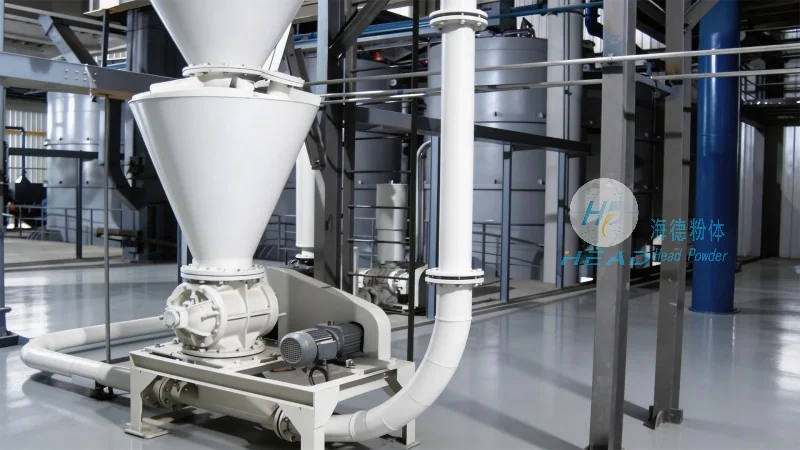
Advantages of Dry Sand Pneumatic Conveying Systems
One of the primary advantages of dry sand pneumatic conveying systems is their ability to handle abrasive materials without causing significant wear on equipment. Unlike mechanical conveyors, which may suffer from wear and tear due to the abrasive nature of sand, pneumatic systems use air as the conveying medium, minimizing equipment damage and reducing maintenance costs. Another key advantage is the flexibility of these systems, as they can be easily adapted to different operational requirements, such as varying material flow rates or changing distances between the source and destination. Furthermore, pneumatic conveying systems offer a hygienic and dust-free environment, which is particularly important in industries where material contamination must be avoided, such as food processing or pharmaceutical manufacturing.
Operational Considerations and Best Practices
While dry sand pneumatic conveying systems offer numerous benefits, proper operation and maintenance are crucial to ensure optimal performance and longevity. It is essential to regularly inspect and maintain the conveying line for any signs of wear or damage, as well as to check the air supply unit for proper pressure and flow rates. Additionally, the material feeder should be adjusted to maintain a consistent flow rate, as fluctuations can lead to system inefficiencies or even system failure. Proper filtration of the air used in the system is also important to prevent the buildup of dust or debris, which can affect the system's performance and lifespan.
Conclusion
HeadPowder, with its expertise in engineering and manufacturing, provides high-quality dry sand pneumatic conveying systems that meet the diverse needs of various industries. By understanding the classification and application of these systems, businesses can make informed decisions about the most suitable equipment for their operations, ultimately improving efficiency, reducing costs, and enhancing overall productivity. Whether for long-distance transport or short-distance handling, dry sand pneumatic conveying systems offer a reliable and effective solution for material handling in the modern industrial landscape.