

Classification and Application Analysis of Sugar Pneumatic Conveying Systems
HeadPowder, a leading engineering company based in Shandong, China, specializes in the design, manufacturing, and implementation of advanced pneumatic conveying systems tailored for the sugar industry. This article provides a comprehensive overview of the classification of sugar pneumatic conveying systems and their practical applications, offering insights into how these technologies enhance operational efficiency and product quality in sugar processing facilities.
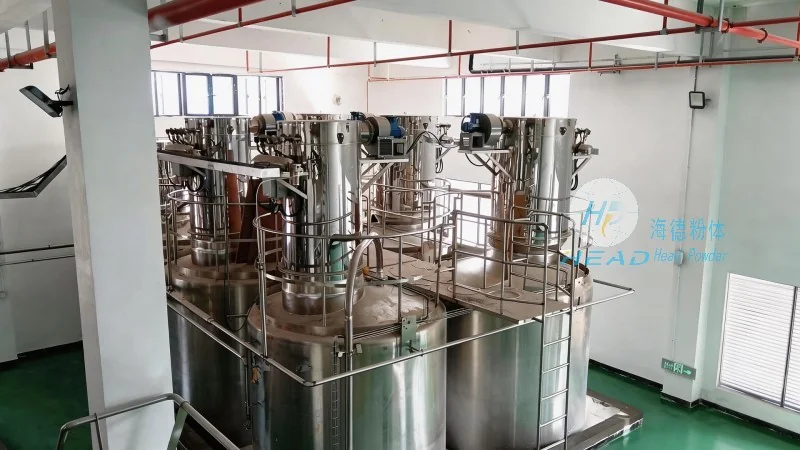
Introduction to Sugar Pneumatic Conveying Systems
Sugar pneumatic conveying systems utilize air or other gases to transport bulk solid materials, such as raw sugar, refined sugar, and other sugar derivatives, from one location to another within a processing plant. These systems are critical in sugar production, as they enable safe, efficient, and hygienic movement of sugar products without direct contact with mechanical components, reducing contamination risks and improving overall plant hygiene. The classification of these systems is primarily based on the pressure and flow characteristics, which directly influence their suitability for different sugar handling scenarios.
Classification of Sugar Pneumatic Conveying Systems
Sugar pneumatic conveying systems can be broadly categorized into two main types: pressure and vacuum systems. Each type has distinct operational principles and applications, making them suitable for different stages of sugar processing.
1. Pressure Pneumatic Conveying Systems operate by generating positive pressure in the conveying line, typically using a positive displacement blower or a rotary lobe pump. The pressure system is ideal for conveying sugar over longer distances or to elevated storage locations. It is commonly used in the initial stages of sugar processing, such as transporting raw sugar from storage silos to processing units or conveying refined sugar to packaging lines. The pressure system ensures consistent flow rates and can handle a wide range of sugar types, including granulated, powdered, and crystalline forms. The positive pressure also helps maintain product integrity by preventing dust accumulation and minimizing the risk of product degradation during transport.
2. Vacuum Pneumatic Conveying Systems operate by creating a negative pressure in the conveying line, often using a centrifugal fan or a vacuum pump. This type of system is particularly suitable for short-distance conveying or for handling sugar that is sensitive to pressure changes. Vacuum systems are commonly used in the final stages of sugar processing, such as transporting finished products from processing units to packaging machines or for cleaning and maintenance operations. They are also effective for conveying sugar from lower to higher elevations, as the vacuum draws the material upward. The vacuum system is generally more flexible in terms of layout and can be easily integrated into existing plant infrastructure. However, it may have limitations in terms of conveying distance and material capacity compared to pressure systems.
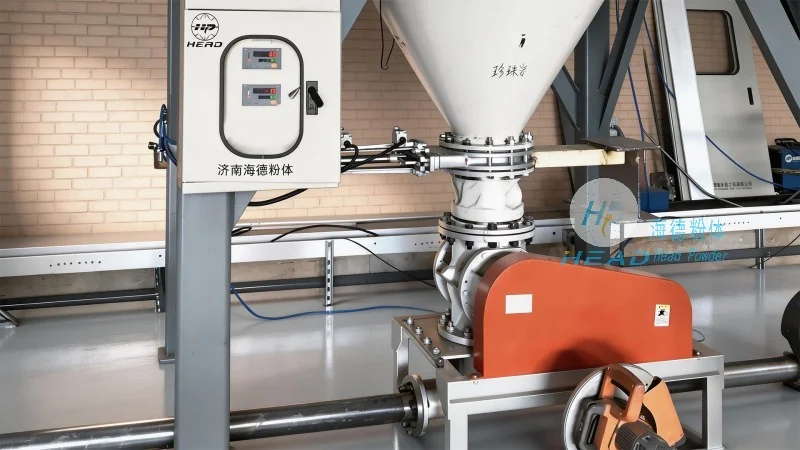
Key Components of Sugar Pneumatic Conveying Systems
Both pressure and vacuum systems consist of several key components that work together to ensure efficient and reliable operation. These components include:
- Conveying Line: The pipeline through which the sugar is transported. It is typically made of stainless steel or other corrosion-resistant materials to withstand the acidic and sugary environment. The line is equipped with appropriate fittings, such as elbows, tees, and valves, to direct the flow and control the conveying process.
- Feeder: The device responsible for feeding the sugar into the conveying line. It ensures a consistent and controlled flow of material, preventing blockages and maintaining system efficiency. Common feeders include rotary valves, star feeders, and screw feeders, which are designed to handle different sugar types and particle sizes.
- Air Supply Unit: This component provides the necessary air or gas for the conveying process. In pressure systems, a positive displacement blower or a rotary lobe pump generates the required pressure. In vacuum systems, a centrifugal fan or a vacuum pump creates the negative pressure. The air supply unit is equipped with filters and moisture separators to ensure clean and dry air, which is crucial for maintaining product quality and preventing system clogging.
- Receiver: The container where the conveyed sugar is deposited. It is typically a storage silo or a hopper designed to hold the processed sugar until it is further processed or packaged. The receiver is equipped with level indicators and discharge valves to control the outflow of the material.
- Control System: The system that monitors and controls the operation of the pneumatic conveying equipment. It includes sensors, controllers, and automation devices that ensure the system operates within safe and efficient parameters. The control system allows for real-time monitoring of pressure, flow rate, and material level, enabling operators to adjust the system settings as needed to optimize performance.
Applications of Sugar Pneumatic Conveying Systems
Sugar pneumatic conveying systems are widely used in various stages of sugar processing, from raw material handling to finished product packaging. Their versatility and efficiency make them indispensable in modern sugar plants.
1. Raw Sugar Handling: In the initial stages of sugar production, raw sugar is often stored in large silos. Pneumatic conveying systems are used to transport raw sugar from these silos to the processing units, such as the refining and crystallization stages. The pressure system is particularly effective for this application, as it can handle the high volume of raw sugar and transport it over long distances without the need for manual handling. This reduces labor costs and improves safety by minimizing the risk of accidents associated with manual material handling.
2. Refining and Crystallization: During the refining process, sugar is subjected to various chemical and physical treatments to remove impurities and improve its quality. Pneumatic conveying systems are used to transport refined sugar between different processing stages, such as from the crystallization tank to the drying and packaging units. The vacuum system is often preferred for this application, as it can handle the fine, powdered sugar produced during refining without causing excessive dust or product loss. The system ensures that the refined sugar is transported in a hygienic and controlled manner, maintaining its quality and preventing contamination.
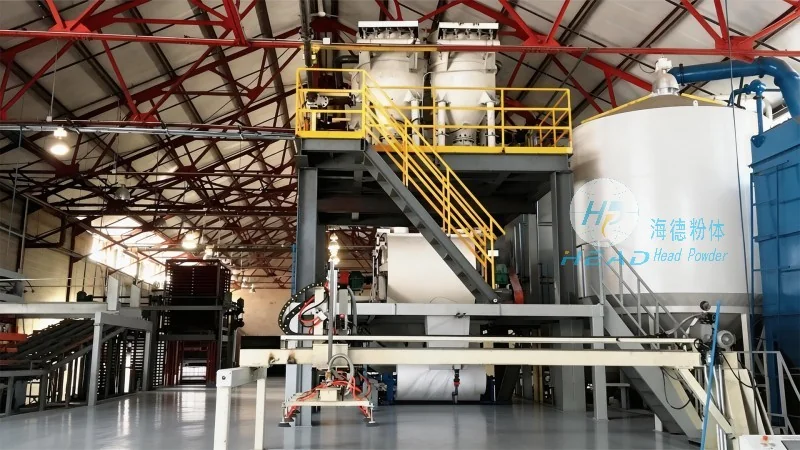
3. Packaging and Distribution: Once the sugar is fully processed and packaged, it needs to be transported to the distribution centers or retail outlets. Pneumatic conveying systems are used to move the packaged sugar from the packaging line to the storage and shipping areas. The pressure system is commonly used for this application, as it can handle the bulk volume of packaged sugar and transport it efficiently to the storage silos. The system ensures that the packaged sugar is moved without any damage or contamination, maintaining the product's quality and appearance.
4. Maintenance and Cleaning: Pneumatic conveying systems are also used for maintenance and cleaning operations in sugar processing plants. For example, during plant shutdowns, the vacuum system can be used to remove residual sugar from the conveying lines and equipment, preventing clogging and ensuring that the system is ready for the next production cycle. The vacuum system is effective in cleaning the lines and components, as it can draw the material out of the system and deposit it in a designated container for disposal or reuse.
Advantages of Sugar Pneumatic Conveying Systems
Sugar pneumatic conveying systems offer several advantages over traditional mechanical conveying methods, making them the preferred choice for many sugar processing facilities.
- Improved Hygiene and Product Quality: Unlike mechanical conveyors, which involve direct contact between the sugar and the conveying components, pneumatic systems use air to transport the material. This reduces the risk of contamination and ensures that the sugar remains in its original state, maintaining its quality and flavor. The stainless steel construction of the conveying lines and components further enhances hygiene, as it is easy to clean and resistant to corrosion.
- Increased Efficiency and Productivity: Pneumatic conveying systems can transport sugar at high speeds and over long distances, reducing the time and labor required for material handling. The consistent flow rates and automated control systems ensure that the system operates efficiently, minimizing downtime and maximizing production output. This leads to increased productivity and reduced operational costs for sugar processing plants.
- Reduced Labor Costs and Safety: By automating the material handling process, pneumatic conveying systems reduce the need for manual labor, which in turn lowers labor costs and improves workplace safety. The systems eliminate the risk of accidents associated with manual handling, such as falls, injuries from moving equipment, and exposure to dust and other contaminants. This makes the workplace safer and more efficient.
- Flexibility and Adaptability: Pneumatic conveying systems are highly flexible and can be easily adapted to different sugar processing requirements. The system can be configured to handle various sugar types, particle sizes, and flow rates, making it suitable for different stages of the production process. The modular design of the system allows for easy expansion or modification as the plant's needs change.
Conclusion
Sugar pneumatic conveying systems are essential components of modern sugar processing facilities, offering efficient, hygienic, and safe transportation of sugar products. The classification of these systems into pressure and vacuum types allows for the selection of the most appropriate system based on the specific application requirements. With their ability to handle different sugar types, maintain product quality, and improve operational efficiency, pneumatic conveying systems are a critical investment for sugar manufacturers. HeadPowder, with its expertise in engineering and manufacturing, provides comprehensive solutions for sugar pneumatic conveying systems, ensuring that sugar processing plants operate at their optimal performance levels.