

Classification and Application Analysis of Pharmaceutical Pneumatic Conveying Systems
Pharmaceutical pneumatic conveying systems are critical components in modern pharmaceutical manufacturing, designed to transport powders and granules with precision and efficiency. These systems play a vital role in ensuring the safe and hygienic handling of active pharmaceutical ingredients (APIs) and excipients, which are essential for the production of high-quality medications. The classification and application of these systems are crucial for understanding their role in pharmaceutical processing and selecting the most appropriate technology for specific production needs.
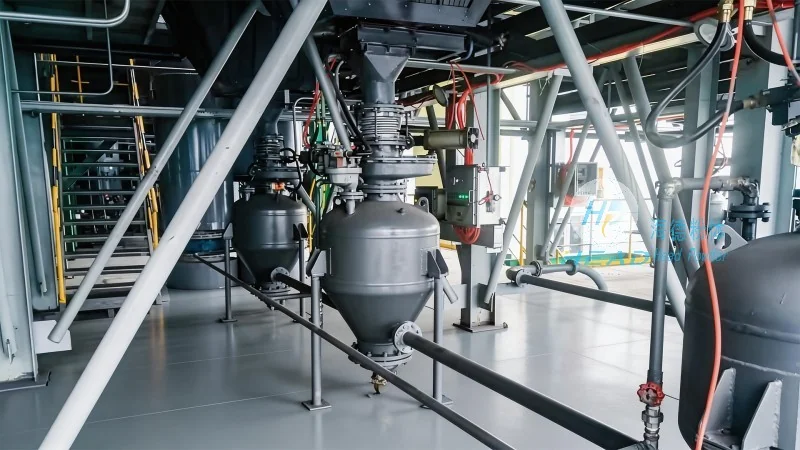
Introduction to Pharmaceutical Pneumatic Conveying Systems
Pharmaceutical pneumatic conveying systems utilize air or other gases to transport bulk materials, such as powders and granules, through a pipeline network. This method offers several advantages over traditional mechanical conveying systems, including reduced contamination risk, improved process control, and enhanced flexibility in material handling. The systems are designed to meet stringent regulatory requirements, including those set by the FDA and other international health authorities, ensuring compliance with cGMP (current Good Manufacturing Practices) standards.
Key Players in the Industry: Shandong HeadPowder Engineering Co., Ltd.
HeadPowder, a leading manufacturer of pharmaceutical processing equipment, specializes in the design, development, and manufacturing of advanced pneumatic conveying systems. With a strong focus on innovation and quality, HeadPowder has established itself as a trusted partner for pharmaceutical companies worldwide. The company's headquarters is located in Shandong, China, where it leverages state-of-the-art manufacturing facilities and a team of experienced engineers to deliver customized solutions tailored to the unique needs of the pharmaceutical industry.
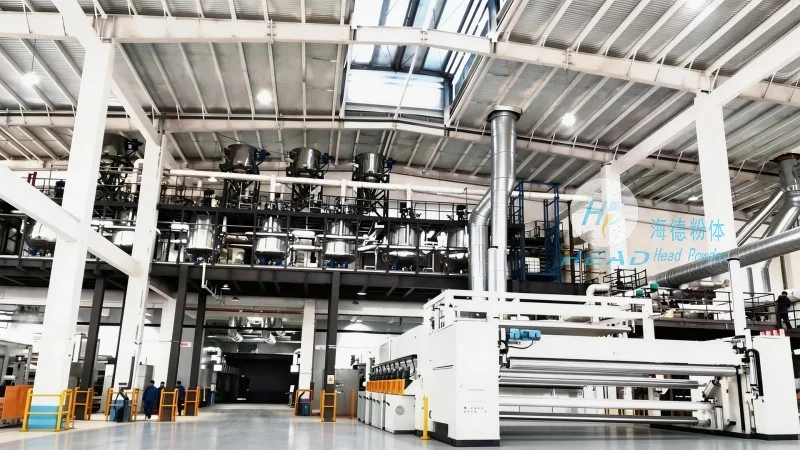
Classification of Pharmaceutical Pneumatic Conveying Systems
Pharmaceutical pneumatic conveying systems can be broadly classified into two main categories: pressure and vacuum systems. Each type has distinct characteristics and is suitable for different applications within the pharmaceutical manufacturing process.
Pressure Conveying Systems
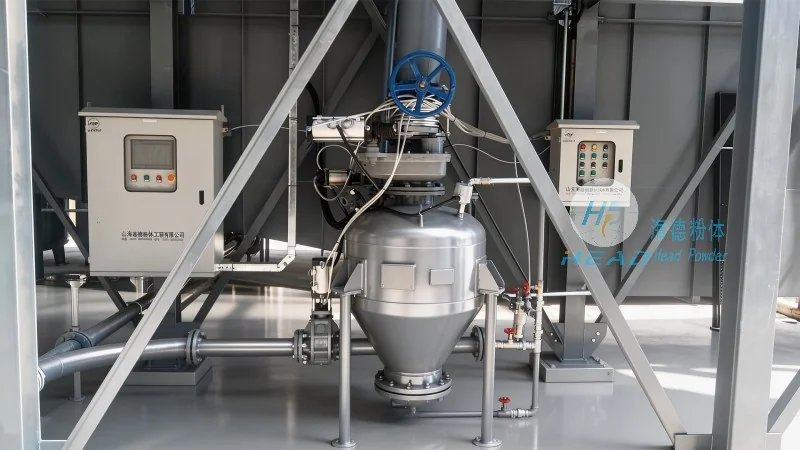
Pressure conveying systems operate by introducing compressed air or other gases into the material to be conveyed, creating a positive pressure that propels the material through the pipeline. These systems are commonly used for short to medium-distance transport and are particularly effective for handling fine powders and granules. The key components of a pressure system include a feed hopper, a rotary airlock valve, a conveying line, and a receiver. The system's design ensures that the material is transported in a controlled manner, minimizing the risk of product degradation or contamination.
Vacuum Conveying Systems
Vacuum conveying systems, on the other hand, use a vacuum to draw material from a source into the conveying line. This method is ideal for long-distance transport and is often used when the material needs to be transferred from a lower elevation to a higher one. Vacuum systems are particularly suitable for handling bulk materials with varying particle sizes and moisture content. The system typically includes a vacuum pump, a filter, and a receiver, ensuring that the material is transported efficiently and safely.
Application Analysis in Pharmaceutical Manufacturing
The application of pneumatic conveying systems in pharmaceutical manufacturing varies depending on the specific product and production process. For example, pressure systems are commonly used in the initial stages of powder handling, such as blending and mixing, where precise control over material flow is essential. Vacuum systems, meanwhile, are often employed in the final stages of product packaging, where the material needs to be transferred from storage silos to filling machines.
Advantages of Pharmaceutical Pneumatic Conveying Systems
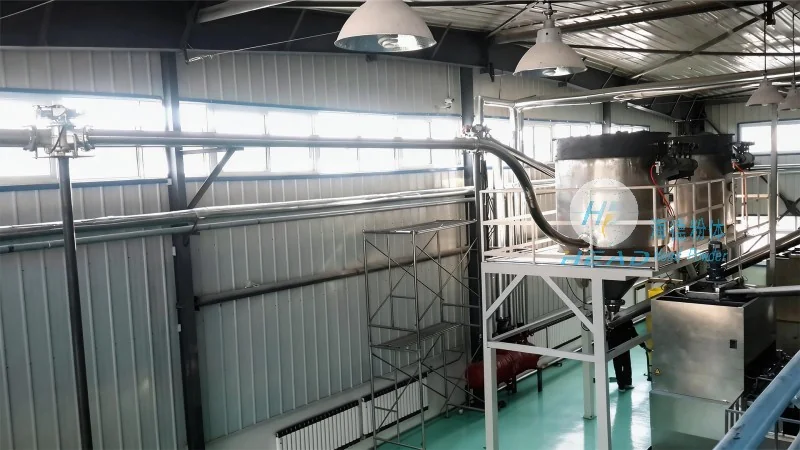
Pharmaceutical pneumatic conveying systems offer several advantages over traditional mechanical conveying methods. These include improved product quality through reduced contamination and degradation, enhanced process control through precise flow regulation, and increased flexibility in material handling. Additionally, these systems are designed to be easily integrated into existing manufacturing lines, minimizing downtime and operational disruptions.
Conclusion
In conclusion, pharmaceutical pneumatic conveying systems are indispensable in modern pharmaceutical manufacturing, providing efficient and hygienic solutions for material handling. The classification of these systems into pressure and vacuum types allows manufacturers to select the most appropriate technology for their specific needs, ensuring optimal performance and compliance with regulatory standards. As a leading manufacturer in the industry, Shandong HeadPowder Engineering Co., Ltd. continues to innovate and deliver high-quality pneumatic conveying systems that meet the evolving demands of the pharmaceutical sector.