

Classification and Application Analysis of Carbon Black Powder Pneumatic Conveying Systems
Carbon black powder pneumatic conveying systems are essential for efficient material handling in various industrial applications. These systems utilize air or gas to transport carbon black powder from one location to another, offering advantages such as reduced contamination, improved safety, and enhanced process control. The classification and application of these systems are critical for optimizing performance and ensuring reliability in production processes.
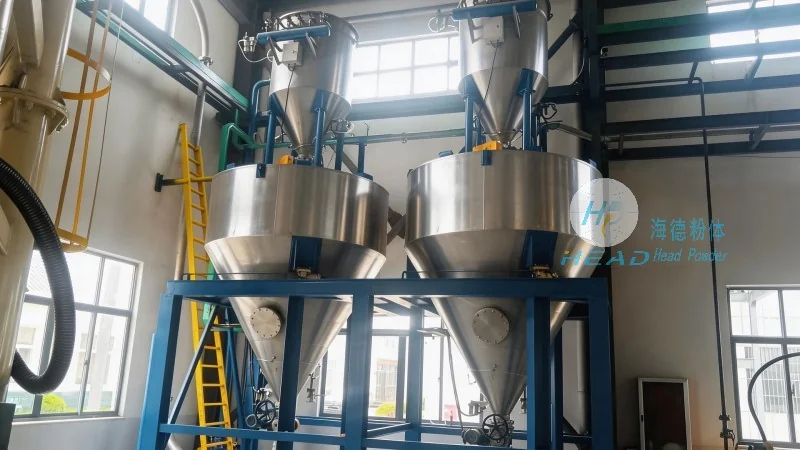
Introduction to Carbon Black Powder Pneumatic Conveying Systems
Carbon black, a widely used industrial material, is often transported in bulk quantities. Traditional methods like manual handling or mechanical conveyors may introduce contamination, cause dust explosions, or require extensive maintenance. Pneumatic conveying systems address these challenges by providing a closed-loop, dust-free environment. The systems are designed to handle carbon black powder with high efficiency and minimal loss, making them indispensable in industries like rubber, plastics, and pigments.
Key Components of Pneumatic Conveying Systems
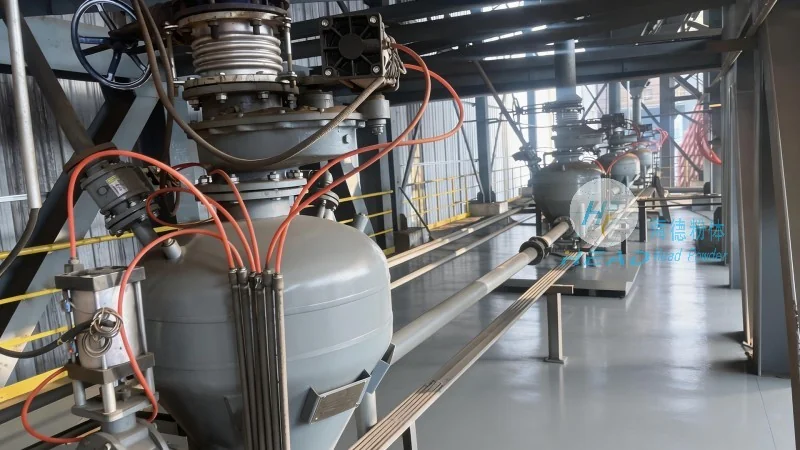
Carbon black powder pneumatic conveying systems typically consist of several key components, each playing a vital role in the overall operation. The primary components include a material feeder, a conveying line (often equipped with valves and bends), a dust collector, and a control system. The material feeder ensures a consistent flow of carbon black powder into the system, while the conveying line transports the material through the pipeline. Valves and bends are strategically placed to control the flow direction and pressure. The dust collector captures any particles that may escape, maintaining a clean environment. The control system monitors and adjusts the system parameters to optimize performance and prevent issues like blockages or pressure fluctuations.
Classification of Pneumatic Conveying Systems Based on Operating Principles
Pneumatic conveying systems for carbon black powder can be classified based on their operating principles. The two main categories are pressure and vacuum systems. Pressure systems use compressed air to push the material through the pipeline, while vacuum systems use a vacuum to draw the material. Each type has its advantages and is suitable for different applications. Pressure systems are generally more suitable for long-distance and high-volume transport, as they can maintain higher pressure and flow rates. Vacuum systems are often used for short-distance transport or when the material needs to be collected from multiple sources.
Application Analysis of Carbon Black Powder Pneumatic Conveying Systems
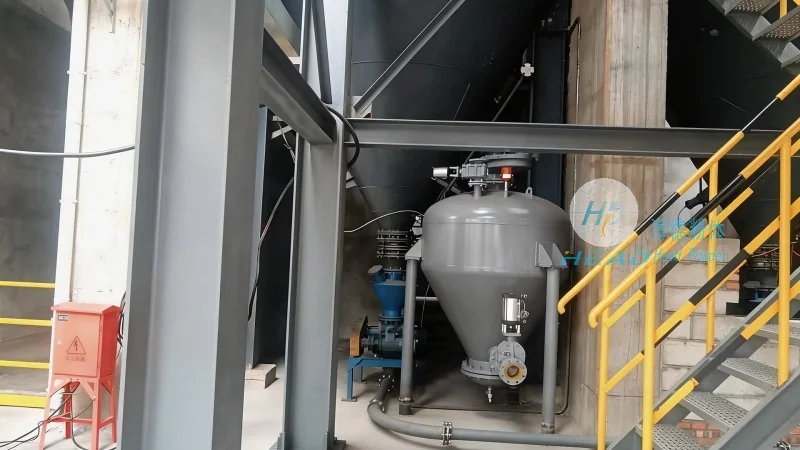
The application of carbon black powder pneumatic conveying systems varies across different industries. In the rubber industry, these systems are used to transport carbon black to mixing plants, ensuring consistent quality in the final product. In the plastics industry, they are employed to deliver carbon black to extrusion lines, improving the color and mechanical properties of the plastic. The pigment industry also utilizes these systems for the transport of carbon black pigments to manufacturing facilities. Additionally, in the chemical industry, pneumatic conveying systems help in the handling of carbon black in production processes, enhancing safety and efficiency.
Advantages and Considerations in Carbon Black Powder Pneumatic Conveying
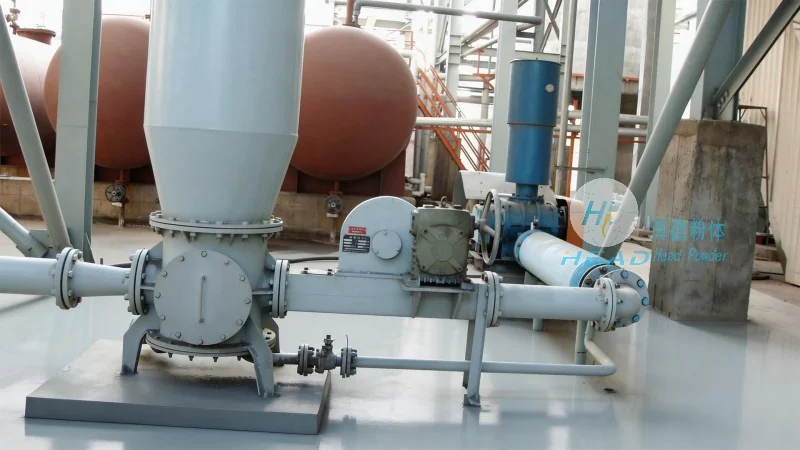
Carbon black powder pneumatic conveying systems offer several advantages over traditional methods. These include reduced risk of dust explosions, improved material handling efficiency, and lower maintenance costs. However, there are also considerations to keep in mind. The system design must account for the specific properties of carbon black powder, such as its density, moisture content, and flowability. Proper system sizing and component selection are crucial to avoid issues like blockages or pressure drops. Additionally, regular maintenance and cleaning are necessary to ensure the system operates at optimal performance.
Conclusion
Carbon black powder pneumatic conveying systems are a critical technology for efficient material handling in various industrial sectors. By understanding the classification and application of these systems, industries can optimize their processes, enhance safety, and improve overall productivity. The systems, when properly designed and maintained, provide reliable and efficient transport of carbon black powder, contributing to the success of production operations.