

What are the main pneumatic conveying structures for coffee powder?
For coffee powder processing facilities, selecting the right pneumatic conveying system is crucial for efficiency and product integrity. The choice of structure depends on various factors including the volume of coffee powder to be handled, the distance it needs to travel, and the specific requirements of the production line. Here, we explore the primary pneumatic conveying structures commonly used in coffee powder applications.
Key Pneumatic Conveying Structures for Coffee Powder
The primary structures for pneumatic conveying of coffee powder can be categorized into several types, each designed to handle different operational needs. The most common structures include pressure systems, vacuum systems, and hybrid systems. Each has its own advantages and is suitable for specific scenarios in coffee processing.
Pressure Pneumatic Conveying Systems
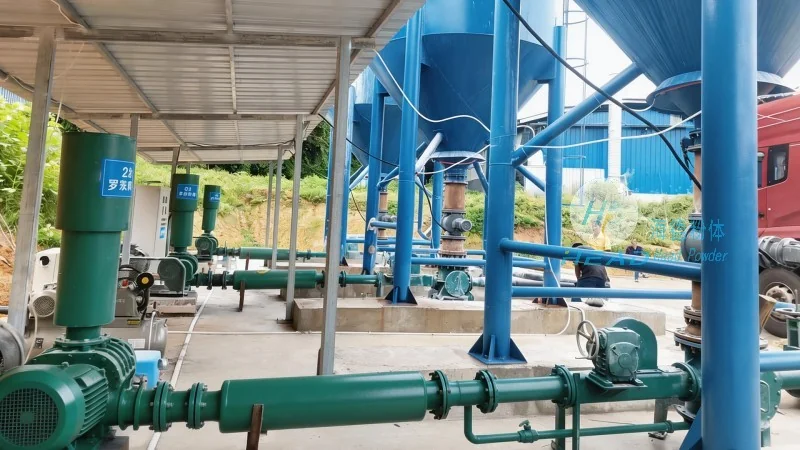
Pressure systems are widely used for coffee powder handling due to their ability to transport materials over longer distances and through multiple transfers. These systems operate by blowing air or other gases under pressure into a pipeline, which propels the coffee powder forward. The pressure is typically generated by a positive displacement blower or a rotary lobe pump. A key component in pressure systems is the coffee powder pneumatic conveying equipment, which ensures consistent flow and minimal product degradation. The system includes a hopper, a pressure vessel, and a series of pipelines that connect the production area to storage or packaging units. Pressure systems are particularly effective for transporting coffee powder from grinding to packaging, as they can maintain a continuous flow without the need for intermediate storage.
Vacuum Pneumatic Conveying Systems
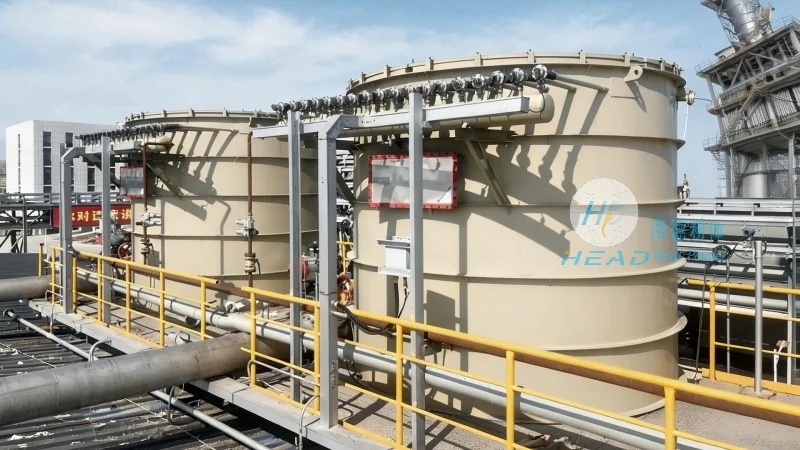
Vacuum systems, on the other hand, use suction to draw coffee powder from a source into a pipeline. These systems are ideal for short-distance conveying and for applications where the material needs to be collected from multiple points. The vacuum is created by a vacuum pump, and the system includes a collection hopper, a vacuum vessel, and a pipeline network. Unlike pressure systems, vacuum systems are less suitable for long-distance transport due to the limitations of suction power. However, they excel in scenarios where the coffee powder is to be transferred from a silo or a storage bin to a processing unit, as they can handle fine powders without causing excessive particle breakage. The coffee powder vacuum conveying equipment used in these systems is designed to maintain a stable vacuum level, ensuring that the coffee powder moves smoothly through the pipeline.
Hybrid Pneumatic Conveying Systems
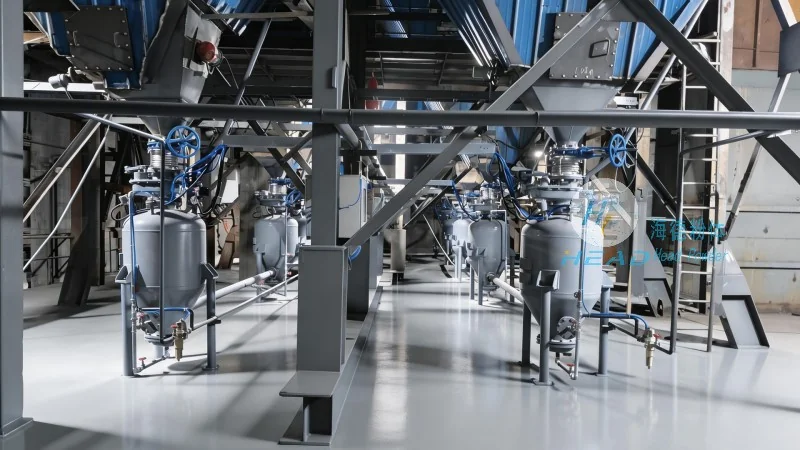
Hybrid systems combine the features of both pressure and vacuum systems, offering flexibility in conveying coffee powder over varying distances and through complex layouts. These systems use a combination of pressure and vacuum to transport materials, allowing for both forward and reverse flow as needed. The hybrid approach is particularly useful in large-scale coffee processing plants where different sections of the facility require different conveying methods. For example, a hybrid system might use pressure to move coffee powder from the grinding area to a central storage silo, and then use vacuum to transfer the powder from the silo to individual packaging lines. The coffee powder hybrid conveying equipment in such systems includes both pressure and vacuum components, controlled by a sophisticated control panel that optimizes the flow based on real-time conditions.
Factors Influencing the Choice of Conveying Structure
The selection of a pneumatic conveying structure for coffee powder is influenced by several key factors. The first is the volume of coffee powder to be handled; larger volumes may require more robust pressure systems or hybrid systems to maintain efficiency. The second factor is the distance the powder needs to travel; longer distances typically require pressure systems or hybrid systems, while shorter distances can be managed with vacuum systems. The third factor is the need for product integrity; coffee powder is sensitive to moisture and temperature changes, so the conveying system must be designed to minimize exposure to these elements. Additionally, the layout of the production facility plays a role; complex layouts with multiple transfer points may benefit from hybrid systems or systems with multiple vacuum and pressure zones.
Components and Design Considerations
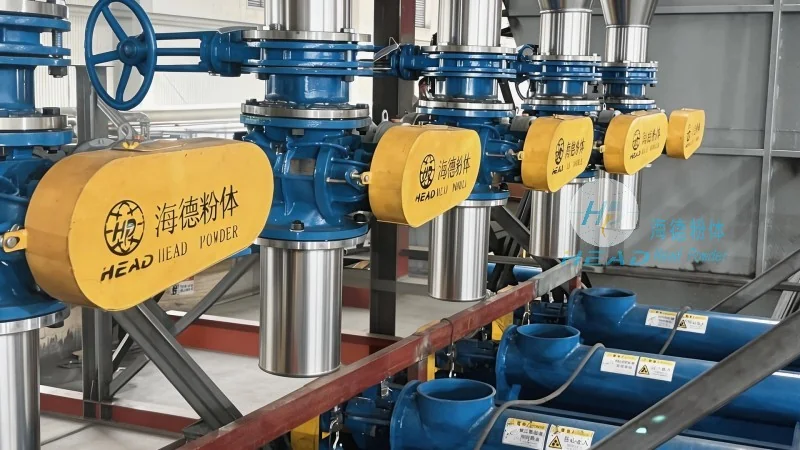
Regardless of the type of pneumatic conveying structure chosen, several key components are essential for efficient operation. The hopper or feeder is the starting point, where coffee powder is loaded into the system. The feeder must be designed to provide a consistent flow rate, preventing blockages and ensuring that the powder moves smoothly into the pipeline. The pipeline itself is typically made of stainless steel or other corrosion-resistant materials, as coffee powder can be acidic and may cause corrosion over time. The pipeline diameter and length are critical factors that affect the system's performance; larger diameters reduce pressure drop but increase cost, while longer pipelines require higher pressure or vacuum levels. The control system, which includes sensors and a control panel, monitors the flow rate, pressure, and vacuum levels, and adjusts the system parameters as needed to maintain optimal performance. The system also includes filters and cyclones to separate the coffee powder from the air, ensuring that the powder is not lost and that the air is clean before being released into the environment.
Advantages and Limitations of Pneumatic Conveying for Coffee Powder
Pneumatic conveying offers several advantages for coffee powder handling. It is a continuous process, which increases efficiency and reduces labor costs compared to manual handling. The system is also relatively compact, allowing for installation in facilities with limited space. Additionally, pneumatic conveying can handle fine powders without causing excessive particle breakage, which is important for maintaining the quality of the coffee powder. However, there are also some limitations to consider. Pneumatic systems can be more expensive to install and maintain compared to other conveying methods, such as belt conveyors. They also require regular maintenance to ensure that the components, such as the blower or vacuum pump, are functioning properly. Furthermore, the system can be sensitive to changes in the coffee powder's moisture content or particle size, which may affect the flow rate and pressure levels.
Conclusion
In conclusion, the choice of pneumatic conveying structure for coffee powder depends on a variety of factors, including the volume, distance, and specific requirements of the production process. Pressure systems, vacuum systems, and hybrid systems each offer unique advantages and are suitable for different applications. By selecting the appropriate structure and ensuring proper design and maintenance, coffee processing facilities can achieve efficient and reliable coffee powder handling, maintaining product quality and operational efficiency. The expertise of companies like Shandong HeadPowder Engineering Co., Ltd. is crucial in designing and implementing these systems, ensuring that they meet the specific needs of coffee powder processing facilities.