

[MATCHED]Main Pneumatic Conveying Structures for Peanut Processing
When it comes to efficient and reliable peanut processing, the choice of pneumatic conveying systems plays a crucial role in optimizing workflow and maintaining product quality. Shandong HeadPowder Engineering Co., Ltd., a leading manufacturer based in Shandong, China, specializes in providing advanced pneumatic conveying solutions tailored for the peanut industry. This article explores the primary pneumatic conveying structures used in peanut processing, highlighting their functionality, advantages, and applications.
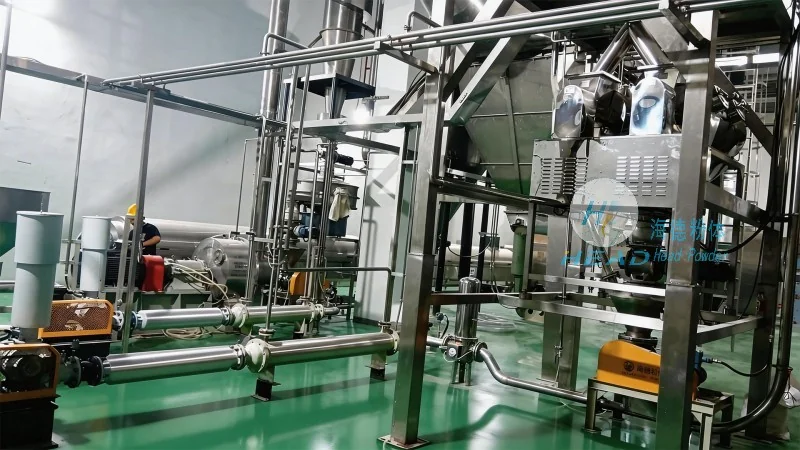
Introduction to Pneumatic Conveying Systems in Peanut Processing
Pneumatic conveying, or air-powered material transport, is a method that uses compressed air to move bulk materials like peanuts through a pipeline system. This technology offers significant advantages over traditional mechanical conveyors, including reduced contamination risk, lower maintenance requirements, and the ability to handle delicate or sensitive products without damage. For peanut processing facilities, selecting the right pneumatic conveying structure is essential to ensure smooth operation and consistent product handling.
Key Pneumatic Conveying Structures for Peanut Processing
There are several main pneumatic conveying structures commonly used in peanut processing, each designed to address specific operational needs. The primary types include:
1. Dilute Phase Pneumatic Conveying
Dilute phase pneumatic conveying is a widely used method for transporting peanuts over moderate distances. In this system, the material is suspended in a high-velocity air stream, allowing it to travel through the pipeline. This structure is particularly effective for short to medium transport distances, typically up to several hundred meters. The system operates by introducing air at a high velocity, which lifts and transports the peanuts through the pipeline. The dilute phase design ensures minimal pressure drop and efficient material movement, making it suitable for continuous peanut processing operations.
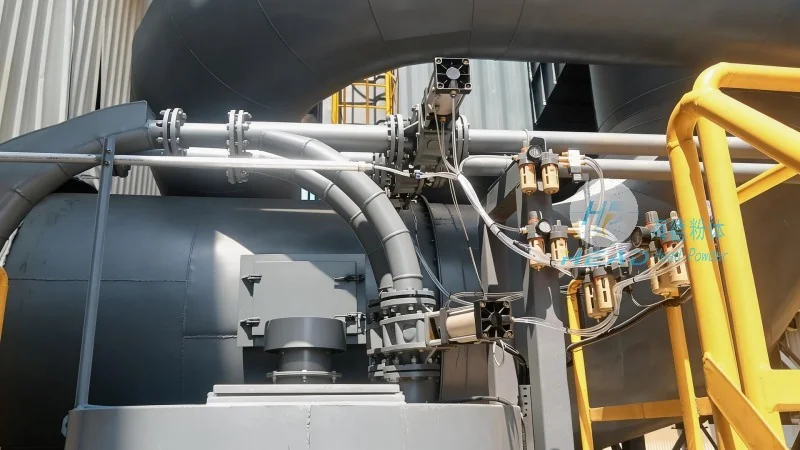
2. Dense Phase Pneumatic Conveying
Dense phase pneumatic conveying, also known as low-velocity conveying, is another critical structure for peanut processing. Unlike dilute phase systems, dense phase conveying uses lower air velocities and higher material concentrations, resulting in a more controlled and gentle transport process. This method is ideal for handling peanuts that require minimal product degradation, such as those intended for roasting or shelling. The dense phase system operates by compressing the air and material mixture, which reduces the velocity and increases the material's density, allowing for a more stable and less abrasive transport. This structure is particularly beneficial for long-distance transport, as it minimizes product breakage and maintains product integrity.
3. Vacuum Conveying Systems
Vacuum conveying systems are a type of pneumatic conveying structure that uses a vacuum to draw peanuts into the pipeline. This method is commonly used for material collection from multiple points or for transporting peanuts from lower to higher elevations. The vacuum system operates by creating a negative pressure within the pipeline, which pulls the peanuts into the system. This structure is particularly useful in peanut processing facilities where material needs to be collected from various locations, such as from storage bins or processing stations. Vacuum conveying is also effective for handling peanuts with a high moisture content or those that are prone to dust generation, as it can control the air flow and minimize dust emissions.
4. Pressure Conveying Systems
Pressure conveying systems, on the other hand, use compressed air to push peanuts through the pipeline. This method is suitable for applications requiring high transport rates or for moving peanuts over longer distances. The pressure system operates by introducing high-pressure air into the pipeline, which forces the peanuts to move forward. This structure is commonly used in peanut processing facilities for bulk material transport, such as moving peanuts from storage silos to processing lines. Pressure conveying offers higher throughput and can handle larger volumes of peanuts compared to vacuum systems, making it an ideal choice for high-volume processing operations.
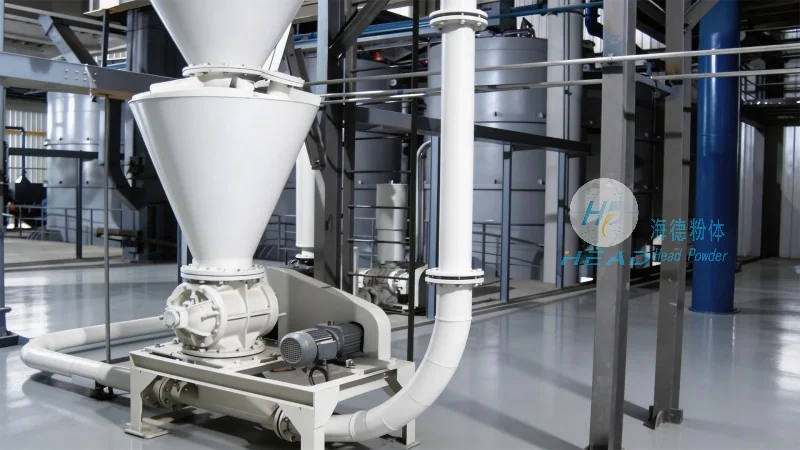
Advantages of Pneumatic Conveying Structures for Peanut Processing
Each of the pneumatic conveying structures mentioned above offers unique advantages that contribute to the efficiency and effectiveness of peanut processing. Dilute phase systems provide flexibility and cost-effectiveness for short-distance transport, while dense phase systems ensure product integrity for delicate peanuts. Vacuum systems excel in material collection and gentle handling, whereas pressure systems deliver high throughput for large-scale operations. By selecting the appropriate pneumatic conveying structure, peanut processing facilities can optimize their workflow, reduce operational costs, and maintain product quality throughout the processing chain.
Customization and Integration with Peanut Processing Equipment
Shandong HeadPowder Engineering Co., Ltd. specializes in designing and manufacturing customized pneumatic conveying systems that integrate seamlessly with existing peanut processing equipment. The company's expertise lies in tailoring the conveying structures to meet the specific requirements of each client, ensuring that the system aligns with the processing capacity, material characteristics, and operational environment. Whether it's a dilute phase or dense phase system, vacuum or pressure conveying, HeadPowder engineers work closely with clients to develop solutions that enhance productivity and minimize downtime. The integration of these pneumatic conveying structures with other processing equipment, such as roasters, shellers, and packaging machines, ensures a smooth and continuous flow of peanuts from raw material to finished product.
Conclusion
Pneumatic conveying structures are essential components of modern peanut processing facilities, offering efficient, reliable, and gentle material transport solutions. From dilute phase to dense phase, vacuum to pressure systems, each structure serves a specific purpose in optimizing peanut handling and processing. Shandong HeadPowder Engineering Co., Ltd. continues to lead in providing advanced pneumatic conveying solutions, helping peanut processing facilities achieve higher productivity, better product quality, and reduced operational costs. By investing in the right pneumatic conveying structure, peanut processors can enhance their operational efficiency and stay competitive in the industry.