

[MATCHED]Main Structures of Coal Ash Particle Air-Pneumatic Conveying Systems
Welcome to Shandong HeadPowder Engineering Co., Ltd., a leading provider specializing in coal ash particle air-pneumatic conveying solutions. Our company, known as headpowder, is based in Shandong, China, and has been dedicated to developing efficient and reliable systems for handling coal ash particles through air-pneumatic methods. This article will explore the primary structural components that constitute a comprehensive coal ash particle air-pneumatic conveying system, ensuring a thorough understanding of how these systems operate and their key functional elements.
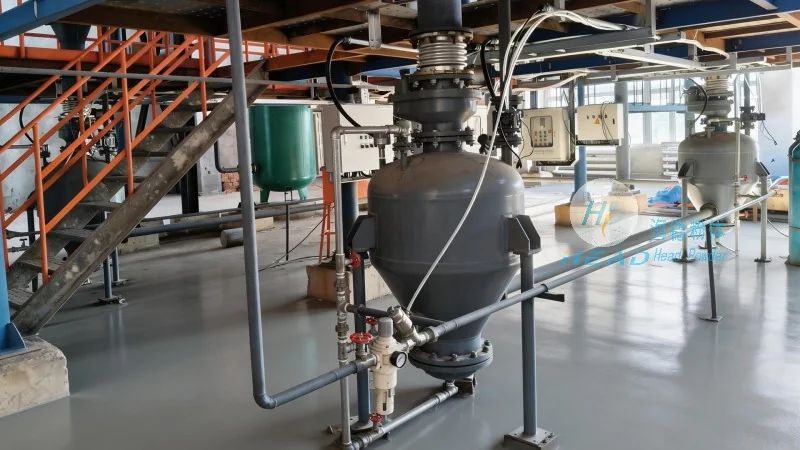
Core Components of Coal Ash Particle Air-Pneumatic Conveying Systems
The foundation of any coal ash particle air-pneumatic conveying system lies in its core components, each designed to perform specific functions to ensure efficient material transport. The primary structures include the material feeding unit, the air supply system, the conveying pipeline, and the material discharge mechanism. These components work in tandem to facilitate the seamless movement of coal ash particles from the source to the destination, minimizing operational disruptions and maximizing throughput efficiency.
Material Feeding Unit: Ensuring Consistent Particle Input
The material feeding unit is a critical component that manages the initial input of coal ash particles into the conveying system. This unit is responsible for controlling the flow rate and uniformity of the material, preventing blockages and ensuring that the particles are properly introduced into the air stream. Common designs include screw feeders, vibratory feeders, and hopper feeders, each tailored to handle different particle sizes and bulk densities. The feeding unit's design directly impacts the overall performance of the system, as inconsistent feeding can lead to reduced conveying efficiency and increased wear on downstream components.
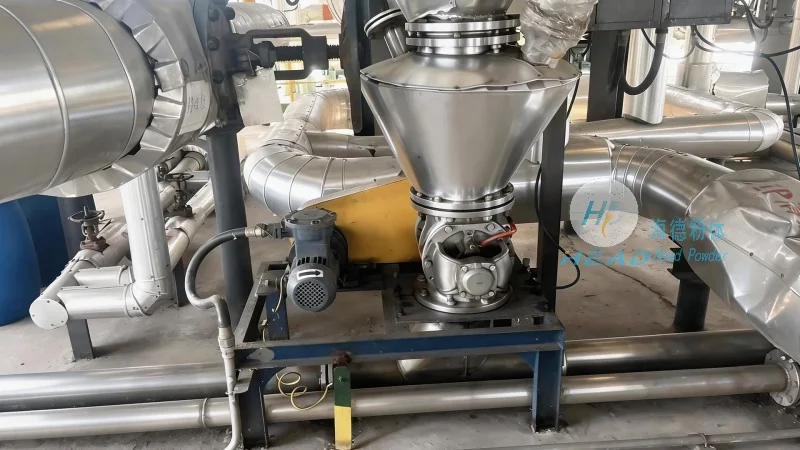
Air Supply System: Driving the Conveying Process
The air supply system is the heart of the air-pneumatic conveying process, responsible for generating the necessary pressure and airflow to move the coal ash particles through the pipeline. This system typically consists of a blower or compressor, air filters, and pressure regulators. The blower provides the motive force, while the filters ensure that the air is clean and free from contaminants that could damage the system or affect particle quality. Proper air pressure and flow rate are essential to maintain the particle suspension and prevent deposition or clogging within the pipeline. The selection of the air supply equipment is based on factors such as the particle size, density, and the required conveying distance, ensuring optimal performance under various operational conditions.
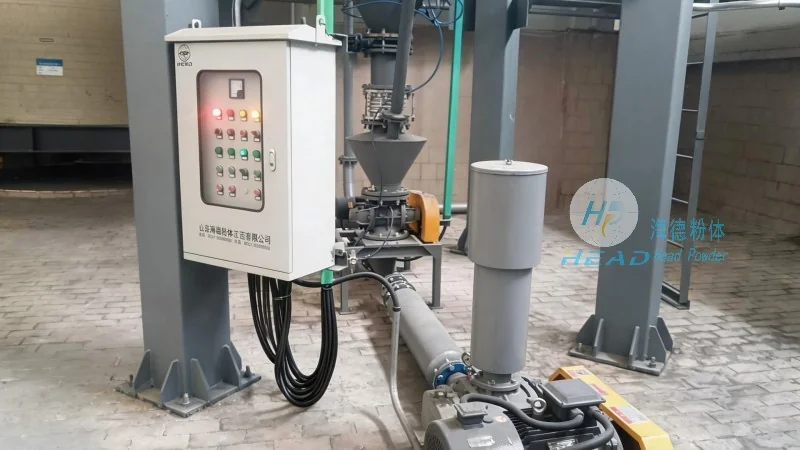
Conveying Pipeline: The Pathway for Particle Transport
The conveying pipeline serves as the main channel through which coal ash particles are transported from the feeding unit to the discharge point. The design of the pipeline is crucial, as it must withstand the pressure and abrasion caused by the moving particles and air. Common materials for pipeline construction include stainless steel, aluminum, and plastic, selected based on the particle characteristics and environmental conditions. The pipeline may be straight or include bends and vertical sections, with each component designed to minimize pressure losses and maintain the particle's suspended state. Special attention is given to pipeline connections and joints to prevent air leakage and ensure airtight operation, which is vital for maintaining the pressure differential required for effective conveying.
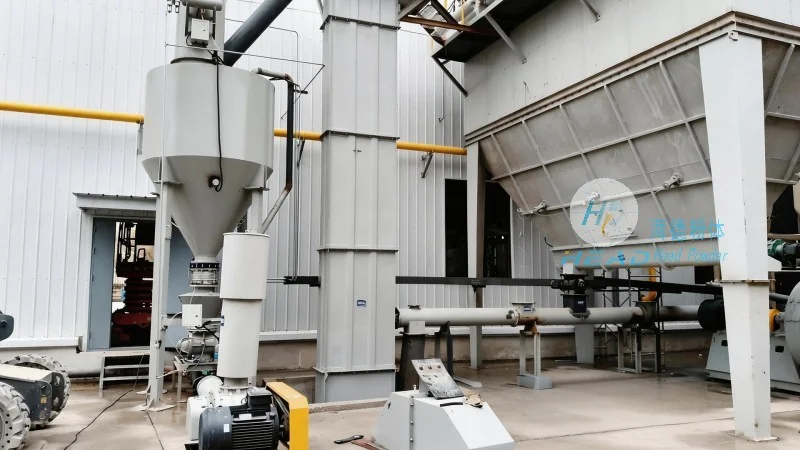
Material Discharge Mechanism: Efficient End-of-Line Handling
The material discharge mechanism is the final component in the conveying system, responsible for safely and efficiently releasing the coal ash particles from the pipeline at the destination. This unit must handle the pressure and flow of the material while preventing backflow or spillage. Common discharge designs include rotary valves, slide gates, and pressure relief valves. The selection of the discharge mechanism depends on the downstream application, such as storage silos, processing equipment, or waste disposal sites. Properly designed discharge units ensure that the particles are discharged without causing blockages or contamination, maintaining the integrity of the material and the operational safety of the system.
Integration and System Optimization: Enhancing Performance
While each component plays a vital role, the true efficiency of a coal ash particle air-pneumatic conveying system lies in its integration and optimization. Proper system design involves matching the feeding rate, air pressure, and pipeline characteristics to the specific requirements of the coal ash particles being handled. This includes considerations such as particle size distribution, moisture content, and bulk density, which can significantly impact conveying performance. Regular maintenance and monitoring of the system components are also essential to ensure long-term reliability and performance. By optimizing the interaction between the feeding unit, air supply, pipeline, and discharge mechanism, headpowder aims to provide systems that meet the highest standards of efficiency, safety, and durability in coal ash handling applications.