

[MTitle] Main Structures of Pneumatic Conveying Systems for Light Calcium Carbonate
Light calcium carbonate, a widely used industrial material, often requires efficient and reliable transportation methods to move it from production sites to processing or packaging areas. Pneumatic conveying systems have emerged as a preferred solution due to their ability to handle fine powders like light calcium carbonate with minimal dust and operational complexity. Understanding the key structural components of these systems is crucial for optimizing performance and ensuring safe, effective material handling.
Key Structural Components of Pneumatic Conveying Systems
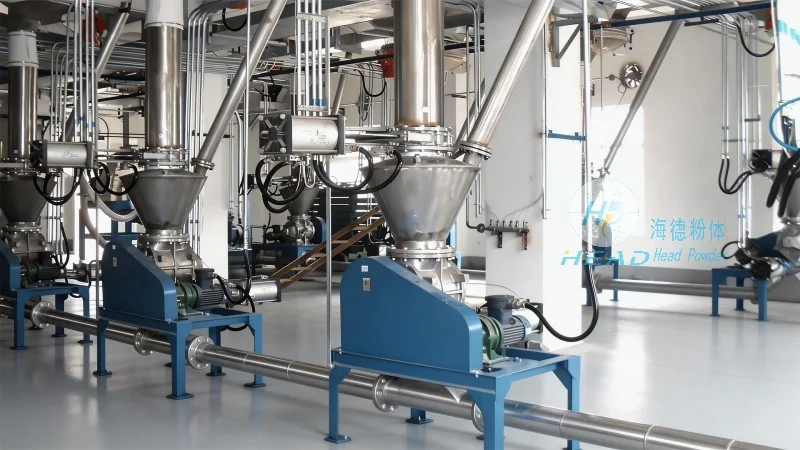
The pneumatic conveying system for light calcium carbonate typically consists of several interconnected components that work in tandem to transport the material. The primary structures include the material feed system, the conveying pipeline, the air supply unit, and the dust collection or separation equipment. Each component plays a vital role in the overall efficiency and reliability of the system.
Material Feed System
The material feed system is the starting point of the pneumatic conveying process. It is responsible for introducing light calcium carbonate into the system in a controlled manner. Common feed methods include rotary valves, star feeders, and screw feeders. These devices ensure a consistent flow of material into the conveying line, preventing blockages and maintaining system stability. The choice of feed equipment depends on factors such as the bulk density of the calcium carbonate, the required flow rate, and the system's overall capacity. For light calcium carbonate, which is a fine powder, rotary valves are often preferred as they can handle high volumes with minimal pressure drop and provide reliable sealing to prevent material leakage.
Conveying Pipeline
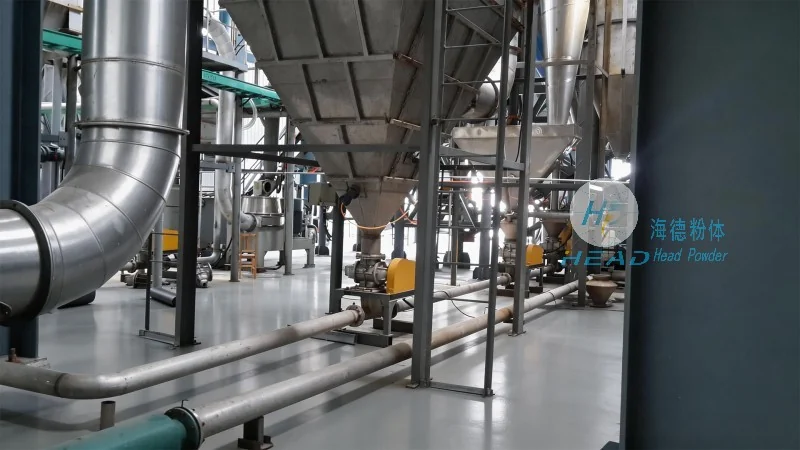
The conveying pipeline is the core of the pneumatic system, responsible for transporting the light calcium carbonate particles along with the air stream. The pipeline is typically made of materials like stainless steel or PVC, chosen for their resistance to corrosion and abrasion from the fine powder. The design of the pipeline, including its diameter and length, is critical to system performance. A larger diameter reduces friction losses and allows for higher material flow rates, while a longer pipeline may require additional air pressure or booster units to maintain the material's velocity. The pipeline may also incorporate bends and elbows, which are designed with smooth transitions to minimize pressure losses and prevent material buildup or clogging. Properly designed elbows and bends are essential to maintain the material's suspension in the air stream, ensuring efficient transport.
Air Supply Unit
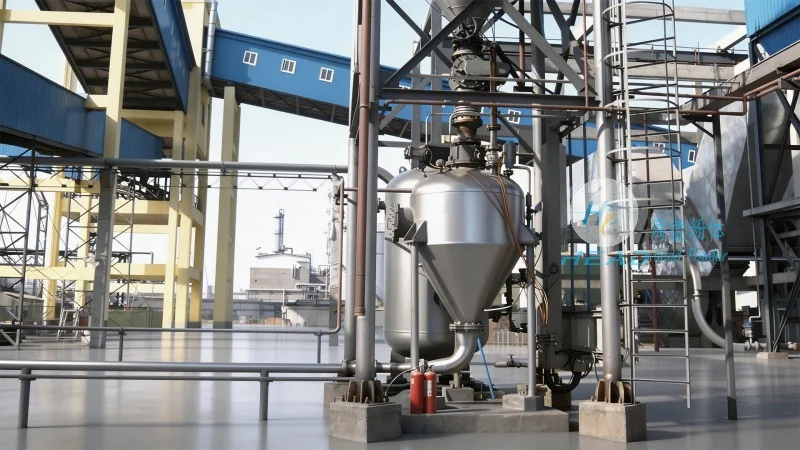
The air supply unit provides the necessary pressure and volume of air to move the light calcium carbonate through the pipeline. This component typically includes a blower or a positive displacement compressor, which generates the required airflow. The air supply is often filtered to remove contaminants that could damage the system or affect the quality of the calcium carbonate. The blower's capacity and pressure rating are matched to the system's requirements, ensuring that sufficient air is available to maintain the material's suspension and overcome any resistance in the pipeline. For light calcium carbonate applications, high-efficiency blowers are preferred to minimize energy consumption and operating costs. The air supply unit may also include a pressure regulator to maintain consistent air pressure, which is crucial for stable material flow and system performance.
Dust Collection and Separation Equipment
As light calcium carbonate is a fine powder, dust collection and separation are essential components of the pneumatic conveying system. These systems prevent the release of airborne particles into the environment and ensure that the material is recovered efficiently. Common dust collection methods include cyclone separators, bag filters, and cartridge filters. Cyclone separators use centrifugal force to separate the powder from the air stream, while bag or cartridge filters use filtration media to capture fine particles. The choice of dust collection equipment depends on the system's capacity and the required level of air purification. For light calcium carbonate, which is a relatively non-toxic material, cyclone separators are often sufficient for basic dust control, but higher-efficiency filters may be used in applications where air quality standards are stringent. Proper maintenance of the dust collection equipment is critical to ensure its effectiveness and prevent system downtime.
Control and Monitoring Systems
Modern pneumatic conveying systems for light calcium carbonate often incorporate advanced control and monitoring systems to optimize performance and ensure safety. These systems may include sensors to monitor pressure, flow rate, and material level, as well as control valves and actuators to adjust system parameters in real-time. The control system can be integrated with a programmable logic controller (PLC) or a computer-based control system, allowing for automated operation and remote monitoring. This technology enables operators to adjust the system's settings based on changing conditions, such as variations in material flow rate or air pressure, ensuring consistent performance and minimizing the risk of system failures. Additionally, monitoring systems can provide alerts for maintenance needs or abnormal conditions, helping to prevent equipment damage and downtime.
Installation and Maintenance Considerations
Proper installation and regular maintenance are essential for the long-term performance and reliability of pneumatic conveying systems for light calcium carbonate. During installation, it is important to ensure that all components are properly aligned and connected to prevent leaks or pressure losses. The pipeline should be checked for any signs of corrosion or wear, and all joints should be securely fastened to maintain system integrity. Regular maintenance includes cleaning the feed system and dust collection equipment to prevent material buildup, inspecting the air supply unit for wear or damage, and checking the pipeline for any blockages or clogs. By following a regular maintenance schedule, the system's efficiency and lifespan can be significantly extended, reducing operational costs and ensuring consistent material handling performance.
Shandong HeadPowder Engineering Co., Ltd., a leading provider of pneumatic conveying solutions, specializes in designing and manufacturing systems tailored to the specific needs of light calcium carbonate applications. With years of experience in the industry, the company offers customized solutions that incorporate the key structural components discussed above, ensuring optimal performance and reliability for its clients. HeadPowder's expertise in material handling and pneumatic systems has helped numerous companies improve their production efficiency and reduce operational costs, making them a trusted partner in the industrial sector.