

What are the main pneumatic conveying structures for moist sodium nitrate?
For industries dealing with moist sodium nitrate, selecting the appropriate pneumatic conveying structure is crucial for efficient material handling and process stability. The main structures used in such applications are designed to handle the unique properties of moist sodium nitrate, including its hygroscopic nature and potential for caking. This article provides an overview of the key pneumatic conveying structures employed by Shandong HeadPowder Engineering Co., Ltd., a leading provider in the field.
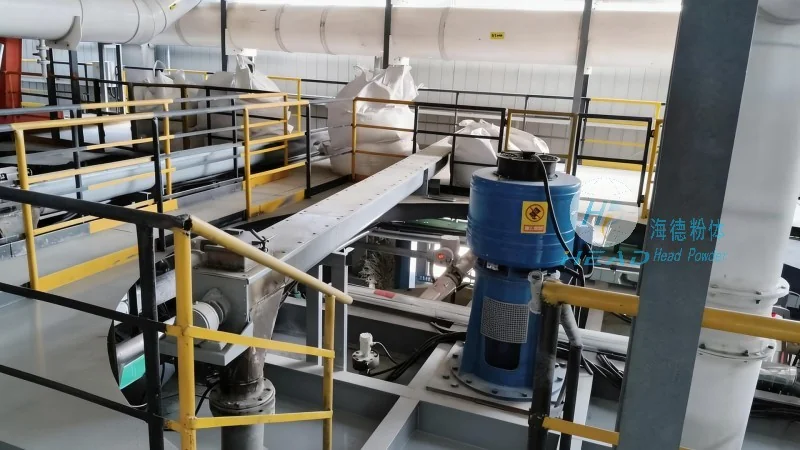
Key Pneumatic Conveying Structures for Moist Sodium Nitrate
The primary pneumatic conveying structures for transporting moist sodium nitrate typically include several specialized systems tailored to the material's characteristics. These systems are engineered to ensure minimal product degradation, maintain consistent flow rates, and prevent blockages or corrosion issues. The main structures commonly utilized are:
1. Dilute Phase Pneumatic Conveying Systems
Dilute phase systems are widely used for the transport of moist sodium nitrate due to their ability to handle relatively low to moderate material loads. In this system, the material is suspended in a high-velocity air stream, allowing for efficient and continuous movement through the conveying line. The design typically involves a positive displacement blower or a high-pressure compressor to generate the necessary air pressure. The conveying line is often equipped with in-line mixers and cyclone separators to maintain the material's suspension and separate the product from the air stream. This structure is particularly effective for short to medium distance transports, where the material can be conveyed without significant pressure drop or degradation.
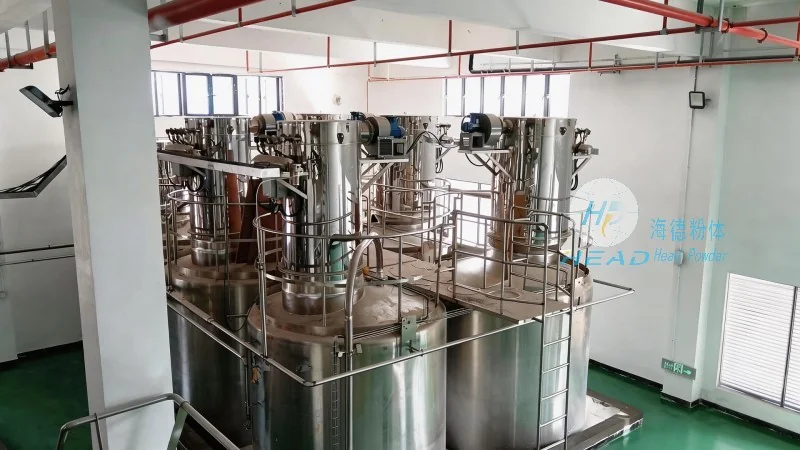
2. Dense Phase Pneumatic Conveying Systems
Dense phase systems are preferred for applications requiring higher material loads and longer transport distances. Unlike dilute phase systems, dense phase systems operate at lower air velocities, resulting in a more compact material-air mixture. This approach reduces the risk of product degradation and minimizes the likelihood of blockages in the conveying line. The system utilizes a positive displacement pump or a rotary lobe pump to create a pulsating flow of air and material, which helps maintain the material's integrity. The conveying line is equipped with pulse valves and pressure regulators to control the flow rate and prevent excessive pressure buildup. Dense phase systems are ideal for transporting moist sodium nitrate over longer distances, such as from storage silos to processing facilities, while maintaining product quality.
3. Hybrid Pneumatic Conveying Systems
Hybrid systems combine elements of both dilute and dense phase operations to provide flexibility in handling varying material loads and distances. These systems are designed to switch between dilute and dense phase modes based on the operational requirements. For instance, during startup or when transporting larger quantities, the system may operate in dense phase mode to ensure efficient material movement. Conversely, during normal operation with lower loads, it can switch to dilute phase mode to conserve energy and maintain product quality. The hybrid structure typically includes a combination of positive displacement and centrifugal blowers, along with adjustable valves and pressure sensors to optimize the conveying process. This approach allows for efficient transport of moist sodium nitrate under diverse conditions, making it suitable for complex industrial processes.
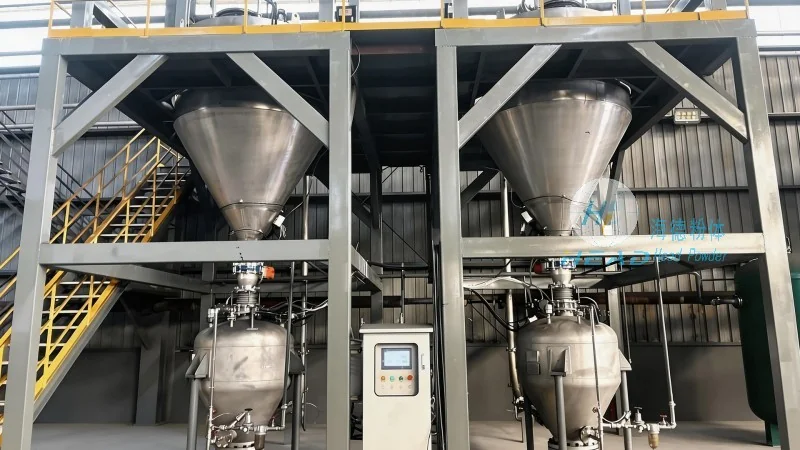
4. Vacuum Pneumatic Conveying Systems
Vacuum systems are used in applications where the material needs to be conveyed from a lower elevation to a higher one or where the process requires a closed-loop system to prevent dust emissions. These systems operate by creating a vacuum in the conveying line, which draws the moist sodium nitrate from the source to the destination. The design includes a vacuum pump and a series of suction points along the conveying line to ensure consistent material pickup. The system is equipped with filters and cyclones to separate the product from the air stream and prevent dust contamination. Vacuum pneumatic conveying is particularly useful in environments where dust control is critical, such as in food processing or pharmaceutical applications. It also allows for the transport of moist sodium nitrate from multiple sources to a central processing unit, enhancing operational efficiency.
Design Considerations for Moist Sodium Nitrate Conveying
When selecting a pneumatic conveying structure for moist sodium nitrate, several design considerations must be taken into account to ensure optimal performance and product integrity. These factors include the material's moisture content, particle size distribution, and potential for caking or agglomeration. The conveying system must be constructed from materials that are resistant to corrosion and chemical attack, such as stainless steel or specialized coatings. Additionally, the system should incorporate features to prevent moisture accumulation and maintain consistent temperature levels, as these can affect the material's properties and handling characteristics.
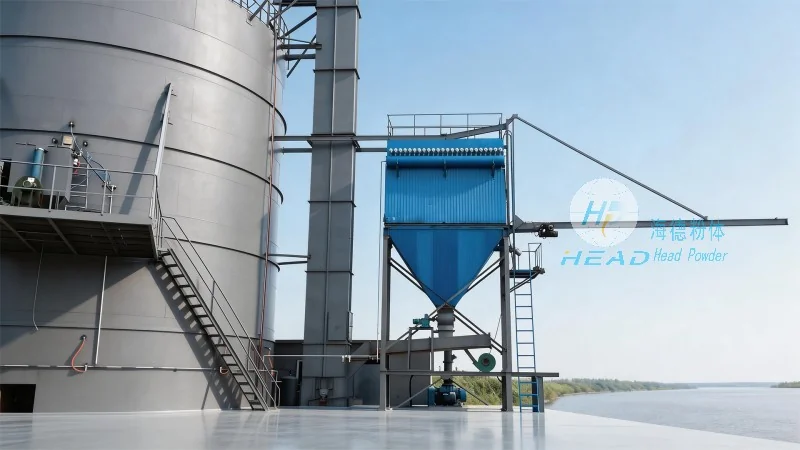
Advantages of Using Specialized Pneumatic Conveying Structures
The use of specialized pneumatic conveying structures for moist sodium nitrate offers several advantages over traditional bulk handling methods. These systems provide a closed-loop operation, which minimizes dust emissions and improves workplace safety. They also enable precise control over material flow rates and pressure, leading to consistent product quality and reduced waste. Furthermore, pneumatic conveying systems can be integrated with other processing equipment, such as mixers and reactors, to create a seamless production line. This integration enhances overall operational efficiency and reduces the need for manual handling, which can be hazardous when dealing with moist sodium nitrate.
Conclusion
Shandong HeadPowder Engineering Co., Ltd. specializes in designing and manufacturing advanced pneumatic conveying structures tailored to the unique requirements of moist sodium nitrate. By employing dilute, dense, hybrid, and vacuum systems, the company ensures efficient and reliable material transport while maintaining product quality. The company's headquarters is located in Shandong, China, and it serves a wide range of industries, including chemical, food, and pharmaceutical sectors. With a focus on innovation and customer satisfaction, Shandong HeadPowder Engineering Co., Ltd. continues to provide cutting-edge solutions for pneumatic conveying applications, helping clients achieve optimal performance and operational efficiency.