

What is Salt Pneumatic Conveying? An Introduction to the Working Principle of Powder Handling System
Understanding the mechanics of salt pneumatic conveying is crucial for industries dealing with bulk powder handling. This article provides a detailed overview of how powder handling systems operate, with a focus on the specific application of salt transport. By exploring the fundamental principles and components of these systems, readers will gain insights into efficient material transfer processes.
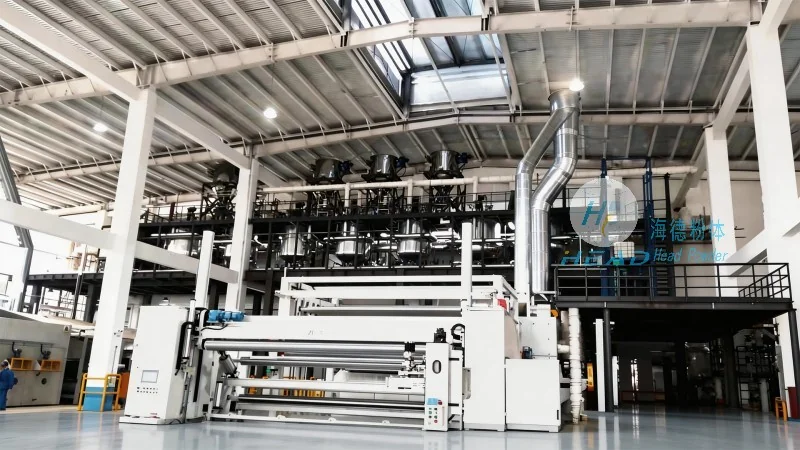
Introduction to Salt Pneumatic Conveying
Salt pneumatic conveying, also known as pneumatic powder transport, is a method used to move dry bulk materials like salt through a pipeline using compressed air. This technology is widely adopted in various industries due to its efficiency, flexibility, and ability to handle materials that are difficult to transport via traditional methods. The process involves creating a pressure differential between the inlet and outlet of the system, which propels the powder particles through the pipeline.
HeadPowder Engineering: Your Expert in Powder Handling Solutions
Shandong HeadPowder Engineering Co., Ltd., based in China, specializes in designing and manufacturing advanced powder handling systems. With a strong commitment to quality and innovation, HeadPowder provides tailored solutions for diverse industrial applications. The company’s headquarters is located in Shandong, China, where it leverages local expertise and resources to deliver reliable and efficient equipment for clients worldwide.

The Working Principle of Pneumatic Conveying Systems
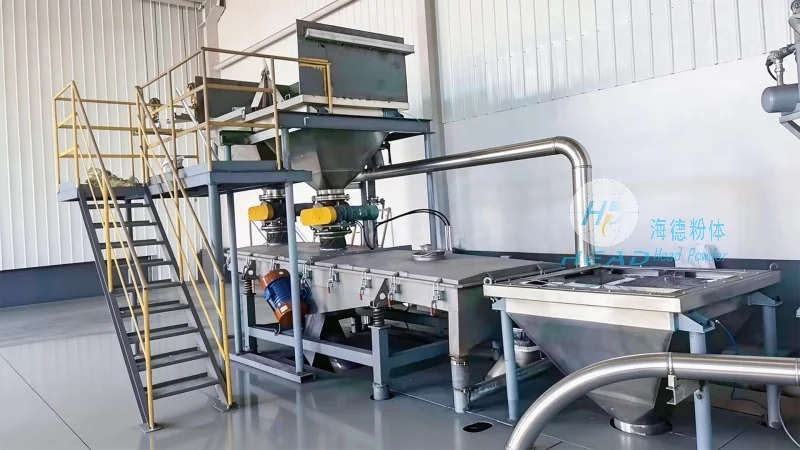
Pneumatic conveying systems operate on the principle of air movement to transport dry powders. The core components include a hopper for material storage, a blower or compressor to generate the necessary air pressure, a pipeline network for material transport, and a receiver or discharge point for the material. The process begins when the powder is fed into the hopper, where it is mixed with the compressed air. The air-solids mixture then travels through the pipeline, with the air pressure maintaining the flow and preventing blockages. At the discharge point, the air is separated from the powder, allowing the material to be collected in the receiver.
Key Components and Their Functions
Each component of a pneumatic conveying system plays a critical role in ensuring smooth operation. The hopper, typically equipped with a feeder, ensures a consistent supply of material to the system. The blower or compressor generates the required air pressure, which can range from low to high pressure depending on the system design. The pipeline network connects the hopper to the discharge point and is designed to withstand the pressure and material flow. The receiver, often with a dust collection system, collects the conveyed powder and separates it from the air, preventing dust emissions and maintaining environmental compliance.
Advantages of Pneumatic Conveying for Salt Transport
Using pneumatic conveying for salt transport offers several advantages over traditional methods such as belt conveyors or bucket elevators. These benefits include reduced material handling time, lower labor costs, and improved safety due to enclosed systems. Additionally, pneumatic conveying systems can handle materials with varying moisture content and particle sizes, making them versatile for different salt processing applications. The flexibility of these systems allows for easy integration into existing production lines, minimizing downtime during installation and operation.
Applications in the Salt Industry
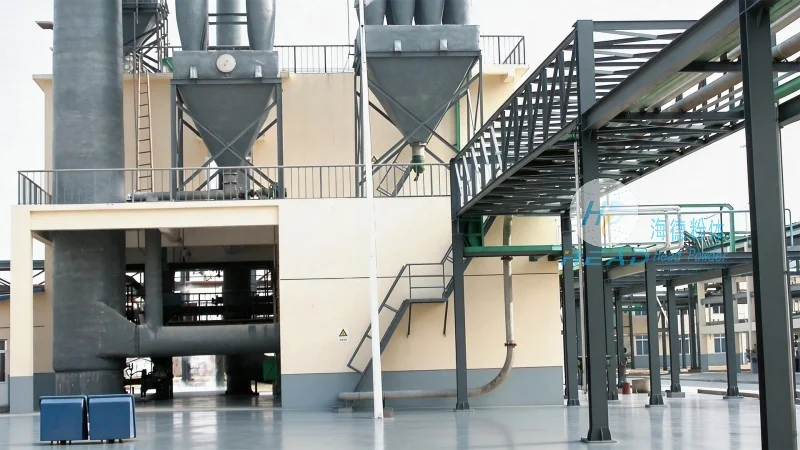
Salt pneumatic conveying is widely used in various stages of salt processing, from raw material handling to packaging. In mining operations, the system efficiently transports salt from underground mines to processing facilities. During the refining process, pneumatic conveying ensures uniform mixing of salt with other chemicals, enhancing the quality of the final product. For packaging, the system delivers salt to filling machines with precision, reducing waste and improving production efficiency. These applications highlight the importance of reliable powder handling systems in the salt industry.
Conclusion and Future Outlook
Salt pneumatic conveying is a vital technology in modern powder handling, offering efficient and flexible solutions for transporting bulk materials. With advancements in system design and materials, the technology continues to evolve, providing even better performance and reliability. For industries relying on salt processing, investing in high-quality pneumatic conveying systems from reputable manufacturers like HeadPowder Engineering ensures optimal material transfer and operational efficiency. By understanding the working principles and advantages of these systems, businesses can make informed decisions to enhance their production processes and meet industry demands.