

What is Fine Powder Pneumatic Conveying? An Introduction to the Working Principle of Powder Handling
Understanding fine powder pneumatic conveying is crucial for industries dealing with powders and granules. This article provides an overview of the technology, focusing on the working principles of powder handling systems. The information is presented by Shandong HeadPowder Engineering Co., Ltd., a leading provider of powder processing solutions based in Shandong, China.
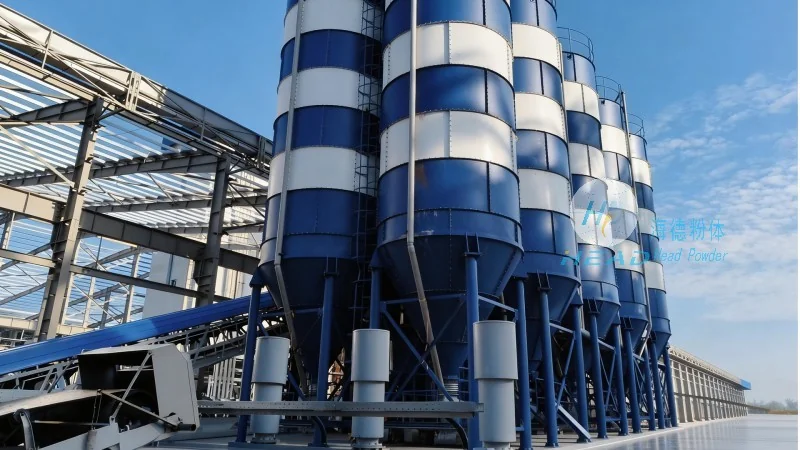
Introduction to Fine Powder Pneumatic Conveying
Fine powder pneumatic conveying, also known as powder handling systems, is a method used to transport dry powders and granules through a pipeline using air or gas as the conveying medium. This technology is widely adopted in various industries, including pharmaceuticals, food processing, chemical manufacturing, and cement production, due to its efficiency and ability to handle delicate materials without causing degradation or contamination.
Working Principle of Pneumatic Conveying Systems
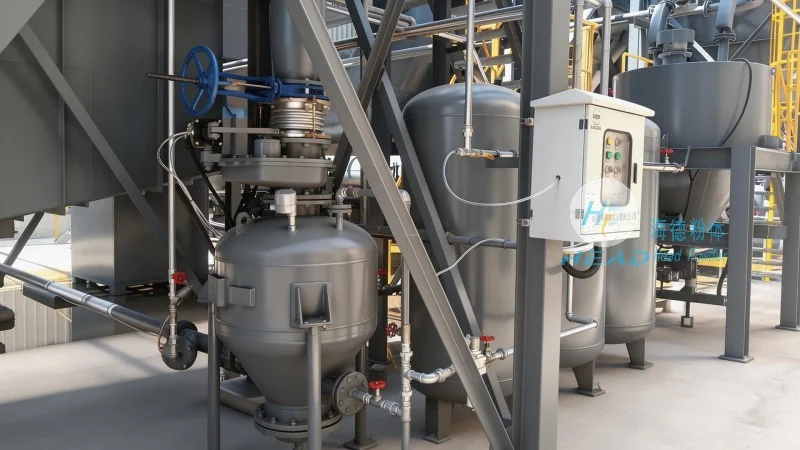
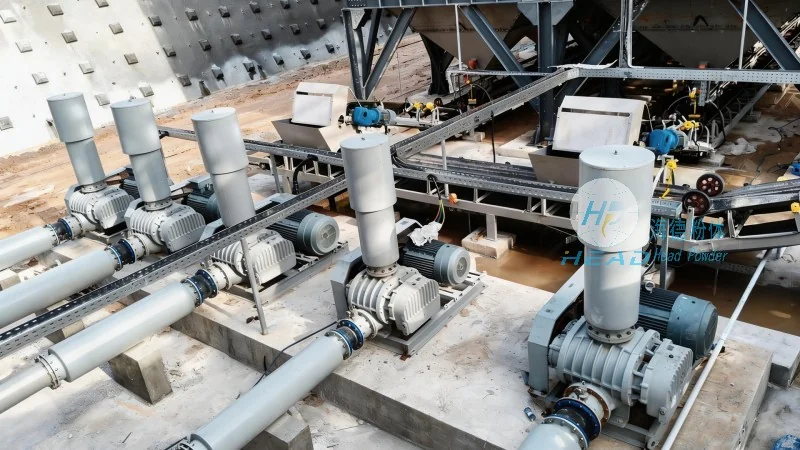
The core of a pneumatic conveying system involves several key components that work in tandem to transport fine powders. The system typically consists of a hopper for material storage, a conveyor line (pipeline), a blower or compressor to generate the air flow, and a receiver or collection vessel at the destination. The process begins when the material is drawn from the hopper into the pipeline by the moving air stream. The air velocity is carefully controlled to ensure that the powder particles are entrained and transported without settling or clogging the system.
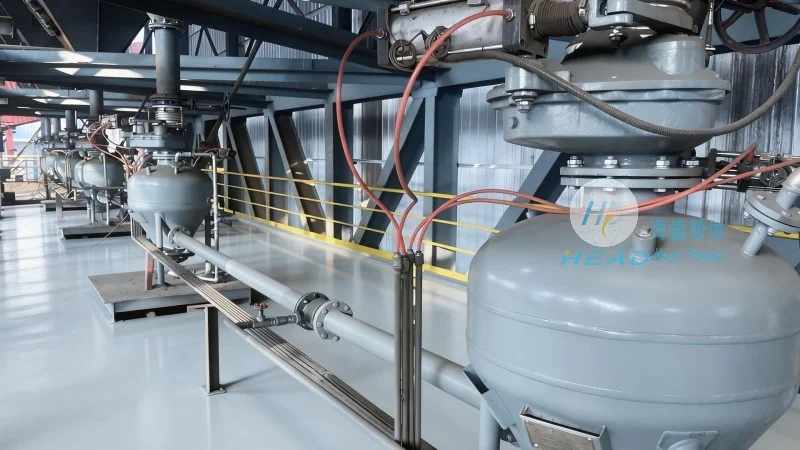
There are two main types of pneumatic conveying systems: dilute phase and dense phase. Dilute phase systems operate at higher air velocities, typically 20-30 meters per second, and are suitable for short distances and low to medium powder loads. Dense phase systems, on the other hand, use lower air velocities (around 5-15 meters per second) and higher pressure to move larger quantities of powder over longer distances. The choice between these systems depends on the specific application requirements, such as the powder characteristics, distance, and desired flow rate.
Key Components and Their Functions
Each component of a fine powder pneumatic conveying system plays a vital role in ensuring efficient and reliable operation. The hopper, often equipped with a feeder or valve, controls the flow of material into the system, preventing overfilling and maintaining a consistent feed rate. The blower or compressor generates the necessary air pressure and flow, which is critical for entraining the powder particles. The pipeline, usually made of stainless steel or other corrosion-resistant materials, must be designed to withstand the pressure and temperature conditions of the conveying process. The receiver or collection vessel at the end of the line is used to store the conveyed material, and it may include features like a filter or cyclone to separate any entrained air from the powder.
Benefits of Fine Powder Pneumatic Conveying
Implementing a fine powder pneumatic conveying system offers numerous advantages for industrial operations. One of the primary benefits is the ability to transport materials in a closed system, which minimizes dust emissions and prevents contamination from external sources. This is particularly important in industries where product purity is paramount, such as pharmaceuticals and food processing. Additionally, pneumatic conveying systems can handle a wide range of powder characteristics, including fine powders with high moisture content or abrasive particles, without causing degradation or wear to the equipment.
Another significant advantage is the flexibility and scalability of the system. Pneumatic conveying systems can be easily integrated into existing production lines and can be expanded or modified to accommodate changing production needs. This makes them a cost-effective solution for businesses looking to optimize their powder handling processes. Furthermore, the system can operate continuously, reducing downtime and increasing overall productivity compared to manual or mechanical conveying methods.
Applications in Various Industries
Fine powder pneumatic conveying is applied across a broad spectrum of industries, each with unique requirements. In the pharmaceutical industry, the technology is used to transport active pharmaceutical ingredients (APIs) and excipients with high precision, ensuring that the final product meets stringent quality standards. The closed system design prevents cross-contamination and maintains the integrity of the materials. In the food processing sector, pneumatic conveying is employed to handle powders like flour, sugar, and spices, maintaining hygiene and preventing spoilage. The system's ability to handle delicate food products without damage makes it ideal for these applications.
In the chemical manufacturing industry, pneumatic conveying systems are used to transport various chemicals, including powders and granules, safely and efficiently. The technology helps in reducing the risk of accidents associated with manual handling of hazardous materials. Similarly, in the cement and construction industry, pneumatic conveying is utilized to transport raw materials and finished products, improving the overall efficiency of the production process. The ability to handle large volumes of material over long distances makes it a preferred choice in these sectors.
Conclusion
Fine powder pneumatic conveying is a sophisticated and efficient method for transporting dry powders and granules. By understanding the working principles and components of these systems, industries can optimize their powder handling processes, enhance product quality, and improve operational efficiency. As a leading provider of powder processing solutions, Shandong HeadPowder Engineering Co., Ltd. offers tailored pneumatic conveying systems that meet the specific needs of various industries, ensuring reliable and cost-effective material transport.