

What is Gypsum Air Conveying? An Introduction to the Working Principle of Powder Handling Systems
Understanding the fundamentals of gypsum air conveying is crucial for industries that handle bulk powders, such as construction materials, pharmaceuticals, and food processing. Gypsum, a common mineral used in building materials and industrial applications, requires efficient and reliable transport methods to ensure consistent quality and safety. This article provides an overview of gypsum air conveying systems, focusing on the working principles and key components that enable effective powder handling.
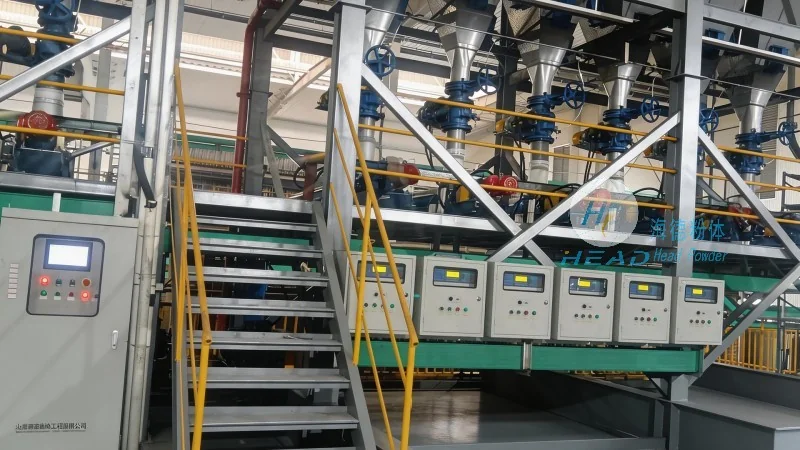
HeadPowder, a leading provider of powder handling solutions, specializes in designing and manufacturing advanced air conveying systems tailored to the unique needs of gypsum and other fine powders. With headquarters in Shandong, China, the company leverages over two decades of experience to deliver robust, energy-efficient solutions that meet international standards. The company’s commitment to innovation and customer satisfaction has established it as a trusted partner in the global powder processing industry.
What is Gypsum Air Conveying?
Gypsum air conveying, also known as pneumatic conveying, is a method of transporting dry powders, including gypsum, through a closed system using compressed air or other gases. Unlike mechanical conveying systems that rely on belts or screws, pneumatic systems use the force of air to move materials, offering advantages such as flexibility, low maintenance, and the ability to handle abrasive or sensitive powders without damage. The process involves feeding the gypsum into a hopper, where it is then drawn into a pipeline by the pressure differential created by the air flow.
Key Components of a Gypsum Air Conveying System
A typical gypsum air conveying system consists of several critical components that work in tandem to ensure efficient material transport. The primary components include:
1. Feed Hopper: The hopper is the initial container where gypsum is stored before being fed into the system. It is designed to maintain a consistent material level and prevent clogging, often equipped with a discharge valve or rotary valve to control the flow rate.
2. Air Supply Unit: This component generates the compressed air or gas needed to move the gypsum through the pipeline. The air supply unit typically includes a compressor, air dryer, and filter to ensure the air is clean and dry, preventing moisture from affecting the gypsum quality.
3. Conveying Pipeline: The pipeline is the main channel through which the gypsum travels. It is usually made of stainless steel or other corrosion-resistant materials to withstand the abrasive nature of gypsum and prevent material buildup. The pipeline is designed with appropriate bends and elbows to maintain the air flow velocity and prevent blockages.
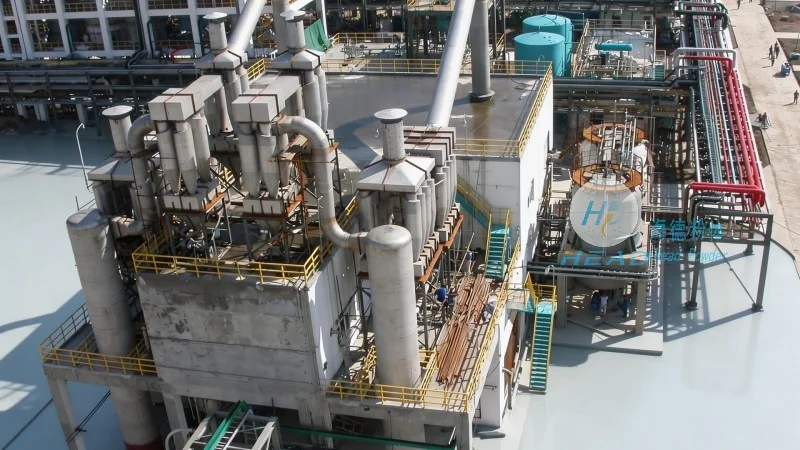
4. Separation and Collection System: At the receiving end of the pipeline, the gypsum is separated from the air using a cyclone separator or bag filter. The separated gypsum is collected in a storage bin or silo, while the air is either recirculated or vented to the atmosphere after being cleaned of dust particles.
Working Principle of Gypsum Air Conveying
The working principle of a gypsum air conveying system is based on the principle of fluidization and pneumatic transport. When compressed air is introduced into the hopper, it creates a pressure differential that draws the gypsum particles into the pipeline. The air flow velocity is maintained above the minimum fluidization velocity of the gypsum, ensuring that the particles remain suspended and move smoothly through the system. As the gypsum travels through the pipeline, it is continuously mixed with the air, preventing agglomeration and maintaining a consistent flow rate.
The system operates in a closed loop, with the air being recirculated to improve energy efficiency. The air is filtered to remove any dust particles before being returned to the hopper, reducing the risk of contamination and ensuring the quality of the gypsum remains uncompromised. The entire process is controlled by a programmable logic controller (PLC), which monitors the pressure, flow rate, and temperature to optimize performance and prevent system failures.
Advantages of Gypsum Air Conveying Systems
Compared to traditional mechanical conveying systems, gypsum air conveying offers several advantages that make it the preferred choice for many industries:
1. Flexibility: Pneumatic systems can be easily reconfigured to handle different types of powders or adjust the transport distance, making them suitable for various applications.
2. Low Maintenance: With fewer moving parts compared to mechanical systems, pneumatic conveying systems require less maintenance and have a longer service life.
3. Energy Efficiency: The closed-loop design and recirculation of air reduce energy consumption, leading to lower operational costs.
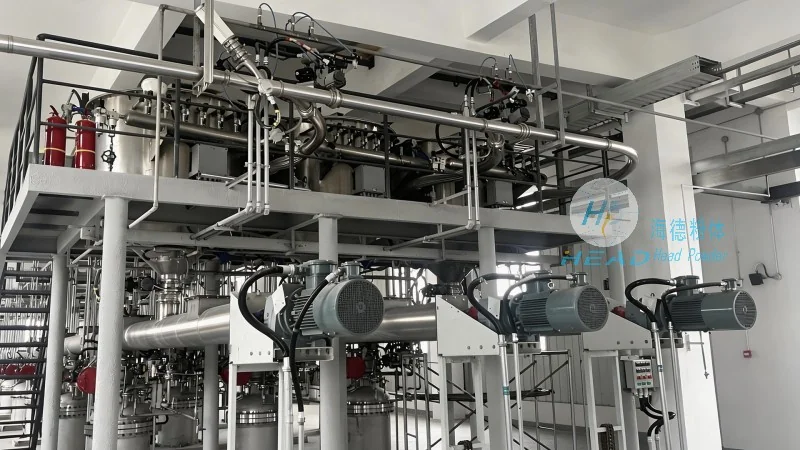
4. Safety: The enclosed system prevents dust emissions and reduces the risk of fire or explosion, ensuring a safe working environment.
Applications of Gypsum Air Conveying
Gypsum air conveying systems are widely used in industries that require the transport of fine powders, including:
1. Construction Materials: Gypsum is used in the production of drywall, plaster, and other building materials. Air conveying systems are used to transport gypsum from storage silos to production lines or to distribution centers.
2. Pharmaceuticals: In the pharmaceutical industry, gypsum is used as a filler or excipient in drug formulations. Pneumatic conveying ensures that the material is handled hygienically and without contamination.
3. Food Processing: Gypsum is used in the food industry as a stabilizer or thickener. The air conveying system maintains the quality and freshness of the product by preventing moisture absorption and contamination.
Conclusion
Gypsum air conveying is a reliable and efficient method for transporting gypsum and other fine powders. By understanding the working principles and key components of these systems, industries can optimize their material handling processes, reduce costs, and improve safety. HeadPowder, with its expertise and commitment to quality, continues to provide advanced powder handling solutions that meet the evolving needs of the global market. For businesses seeking to enhance their gypsum transport capabilities, HeadPowder offers tailored systems that deliver superior performance and durability.