

Introduction to Pharmaceutical Pneumatic Conveying: Exploring the Working Principles of Pneumatic Co
Pharmaceutical pneumatic conveying systems represent a critical technology in the manufacturing and handling of medicinal products. These systems utilize air or other gases to transport bulk materials, such as powders and granules, from one location to another within a pharmaceutical facility. The process is essential for maintaining product integrity, ensuring safety, and enhancing operational efficiency in the pharmaceutical industry.
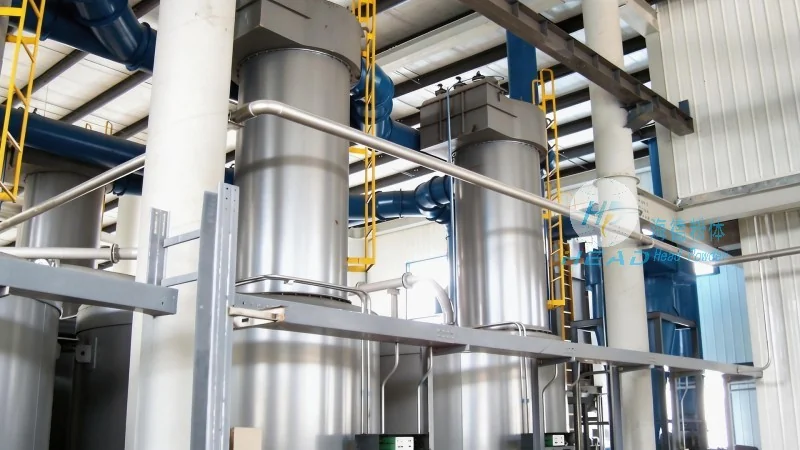
Overview of Pharmaceutical Pneumatic Conveying Systems
Pharmaceutical pneumatic conveying systems are designed to handle sensitive materials, including active pharmaceutical ingredients (APIs), excipients, and finished dosage forms. The primary goal is to transport these materials in a controlled manner, minimizing contamination, degradation, and exposure risks. Unlike traditional mechanical conveying methods, pneumatic systems offer advantages like flexibility, scalability, and the ability to handle a wide range of particle sizes and densities.
Working Principles of Pneumatic Conveying Systems
The fundamental principle of pneumatic conveying involves the use of differential pressure to move materials through a pipeline. The system typically consists of a hopper, a feeder, a conveying line, and a receiver. The process begins when the material is fed into the hopper, where it is then drawn into the conveying line by a vacuum or pressure source. The air or gas acts as the medium, carrying the particles through the system. The receiver collects the material at the destination, and the air is either filtered and recycled or vented to the atmosphere, depending on the system design.
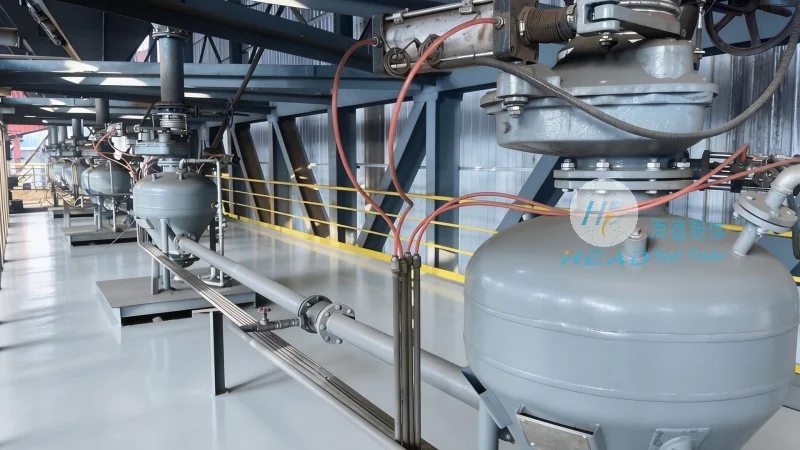
Key Components and Their Functions
Several key components work together to ensure the efficient operation of a pharmaceutical pneumatic conveying system. The hopper serves as the storage container for the material, providing a consistent feed to the feeder. The feeder, often a rotary valve or a screw feeder, regulates the flow rate of the material into the conveying line. The conveying line, usually made of stainless steel or other corrosion-resistant materials, is designed to withstand the pressures and temperatures associated with the process. The receiver is where the material is deposited, and it may include features like a dust collection system to maintain air quality. Additionally, filters and cyclones are used to separate the material from the air stream, ensuring that only clean air is recirculated or discharged.
Advantages of Pharmaceutical Pneumatic Conveying
Pharmaceutical pneumatic conveying systems offer numerous benefits that make them ideal for use in the pharmaceutical industry. One of the most significant advantages is the ability to handle materials that are difficult to transport using mechanical methods, such as fine powders that are prone to caking or agglomeration. The system also provides a closed-loop operation, reducing the risk of cross-contamination and exposure to airborne particles. Furthermore, pneumatic conveying systems are highly flexible, allowing for easy integration with existing production lines and the ability to adjust the flow rate based on production demands.
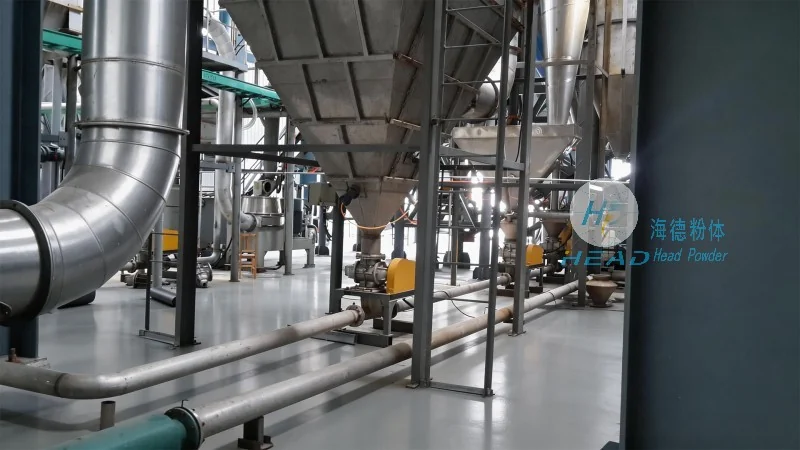
Applications in Pharmaceutical Manufacturing
Pharmaceutical pneumatic conveying systems are widely used in various stages of pharmaceutical manufacturing. They are commonly employed in the handling of raw materials, such as APIs and excipients, from storage to processing. The systems are also used in the transfer of finished dosage forms, like tablets and capsules, from packaging lines to storage areas. Additionally, pneumatic conveying is utilized in the cleaning and maintenance of equipment, as well as in the transport of waste materials from production areas to disposal sites.
About Shandong HeadPowder Engineering Co., Ltd.
Shandong HeadPowder Engineering Co., Ltd., operating under the brand name headpowder, is a leading provider of pneumatic conveying solutions for the pharmaceutical industry. With a strong focus on quality and innovation, the company specializes in designing and manufacturing customized pneumatic conveying systems tailored to the specific needs of pharmaceutical manufacturers. HeadPowder's expertise lies in ensuring that their systems meet the stringent regulatory requirements of the pharmaceutical industry, including compliance with GMP (Good Manufacturing Practice) standards. The company's headquarters is located in Shandong, China, where it leverages its local resources and expertise to deliver high-quality products and services to clients worldwide.