

Introduction to Aluminum Turnings Pneumatic Conveying and the Working Principle of Pneumatic Conveyi
HeadPowder, a leading provider in the field of material handling solutions, specializes in advanced pneumatic conveying systems tailored for the efficient and safe transport of aluminum turnings. With a strong presence in Shandong, China, the company has established itself as a trusted partner for industries relying on reliable material transport technologies.
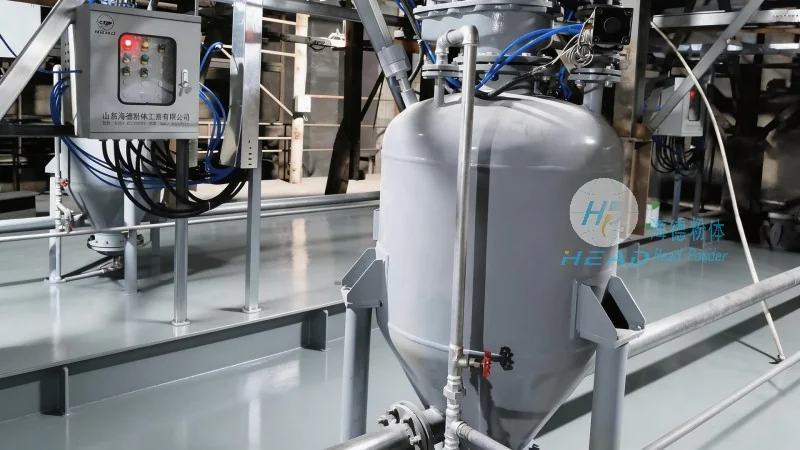
Understanding Aluminum Turnings Pneumatic Conveying
Aluminum turnings, produced as a byproduct in metalworking processes, require specialized handling due to their lightweight, irregular shapes, and potential for dust generation. Traditional methods such as manual handling or belt conveyors often fall short in maintaining product integrity and operational efficiency. Pneumatic conveying offers a superior solution by utilizing air pressure to move these materials through a closed system, minimizing contamination and ensuring consistent flow rates.
The Working Principle of Pneumatic Conveying Systems
Pneumatic conveying systems operate on the fundamental principle of using air to transport bulk materials. In the case of aluminum turnings, the process typically begins with an air-powered feeder that draws the material into the system. The feeder ensures a controlled and continuous supply of aluminum turnings, preventing blockages and maintaining a steady flow. Once the material is introduced, it is carried by a stream of air through a network of pipes. The system may employ either positive pressure (where air is blown into the system) or negative pressure (where air is drawn out), depending on the specific application and system design. The air velocity is carefully controlled to ensure that the aluminum turnings are fully suspended and transported without causing damage or degradation.
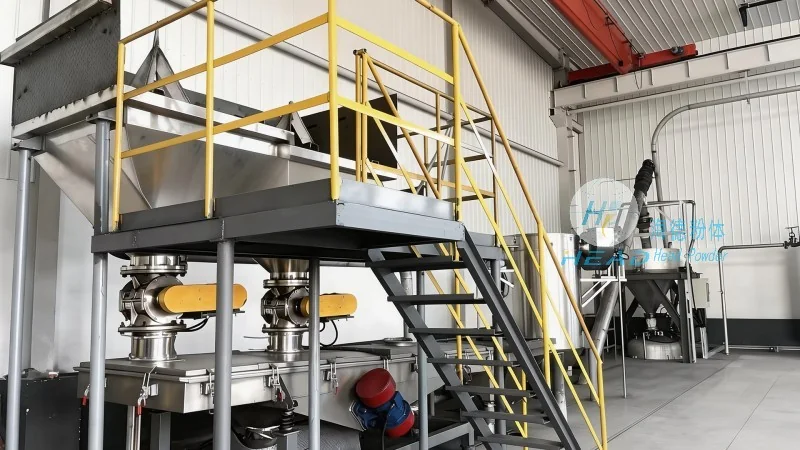
Key Components of a Pneumatic Conveying System for Aluminum Turnings
Effective pneumatic conveying of aluminum turnings relies on several critical components working in harmony. The primary components include an air compressor or blower to generate the necessary air pressure, a feeder system to introduce the material, a network of pipes to transport the material, and a separation system to collect the material at the destination. The feeder, often a rotary valve or a screw feeder, is designed to handle the lightweight and irregular nature of aluminum turnings, ensuring consistent feeding rates. The pipes are typically made of materials resistant to corrosion and wear, such as stainless steel or special alloys, to withstand the abrasive properties of the material. The separation system, which may include cyclones or filters, is crucial for removing the material from the air stream and directing it to the desired collection point. Additionally, the system may incorporate controls and monitoring equipment to optimize performance and ensure safe operation.
Benefits of Using Pneumatic Conveying for Aluminum Turnings
Implementing a pneumatic conveying system for aluminum turnings offers numerous advantages over traditional methods. One of the most significant benefits is the reduction in material contamination, as the closed system prevents exposure to external elements and dust. This is particularly important for aluminum turnings, which are often used in high-purity applications such as aerospace or automotive manufacturing. Another key advantage is the improved efficiency and speed of material transport, as pneumatic systems can move large quantities of material over long distances with minimal labor. The system also enhances safety by eliminating the need for manual handling of potentially hazardous materials, reducing the risk of accidents and injuries. Furthermore, pneumatic conveying systems are highly flexible, allowing for easy integration into existing production lines and adaptation to changing production needs.
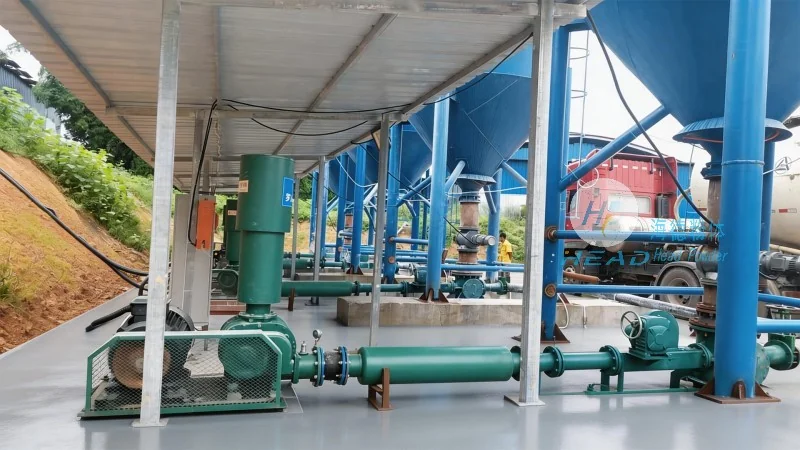
Application Examples in the Aluminum Industry
Pneumatic conveying systems are widely used in various stages of the aluminum production and processing chain. For instance, in the casting and machining operations, aluminum turnings are often generated and need to be transported to recycling or processing facilities. The pneumatic system efficiently collects these turnings from the production floor and transports them to a central location for further processing. In the recycling industry, the system plays a vital role in moving aluminum scrap from collection points to smelting plants, ensuring a continuous supply of raw material. Additionally, in the manufacturing of aluminum components, the system is used to transport finished parts or raw materials between different production stages, streamlining the overall production process and improving operational efficiency.
Conclusion
HeadPowder Engineering Co., Ltd., based in Shandong, China, provides comprehensive pneumatic conveying solutions tailored to the unique needs of aluminum turnings transport. By leveraging advanced technology and expert engineering, the company ensures that its systems deliver optimal performance, reliability, and safety. The working principle of pneumatic conveying, combined with specialized components and design considerations, makes it an ideal choice for industries requiring efficient and contamination-free transport of aluminum turnings. As a trusted partner in material handling, HeadPowder continues to innovate and provide solutions that meet the evolving demands of the aluminum industry.