

Introduction to Cement Raw Material Pneumatic Conveying and the Working Principle of Pneumatic Conve
HeadPowder, a leading engineering firm based in Shandong, China, specializes in the design, manufacturing, and installation of advanced pneumatic conveying systems for the cement industry. This article provides an overview of cement raw material pneumatic conveying systems, detailing their working principles and the technical advantages they offer in modern cement production.
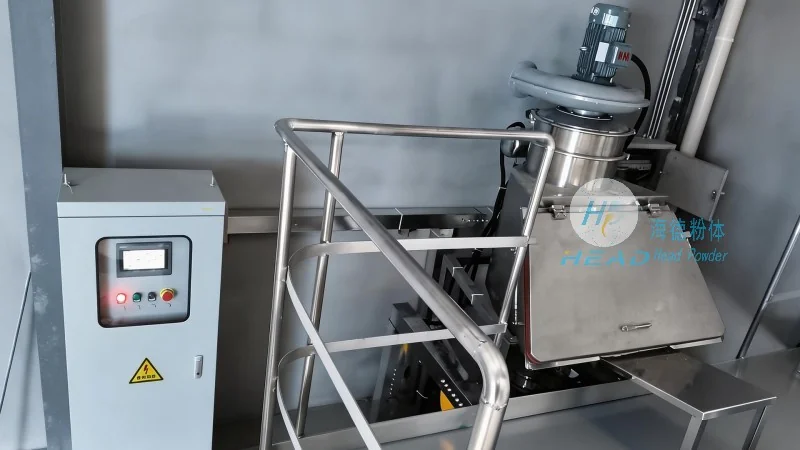
Understanding Pneumatic Conveying Systems for Cement Raw Materials
Pneumatic conveying systems are critical components in the cement manufacturing process, responsible for transporting bulk materials such as limestone, clay, and other raw materials from storage silos to the kiln or other processing units. Unlike traditional mechanical conveying methods, pneumatic systems use air or other gases to move materials through a pipeline network, offering several advantages including high efficiency, reduced maintenance, and the ability to handle a wide range of materials with varying particle sizes and moisture content.
The Working Principle of Pneumatic Conveying Systems
The core mechanism of a pneumatic conveying system involves the use of a blower or compressor to generate airflow within a pipeline. The system typically consists of a hopper, a feed device, a conveying line, and a receiver. Raw materials are fed into the hopper from storage silos, and then drawn into the conveying line by the airflow. The air and material mixture travels through the pipeline at high velocity, ensuring efficient transport. At the receiving end, the material is separated from the air, often through a cyclone separator or a filter, and collected in a designated container. The separated air is then returned to the system or released, completing the cycle.
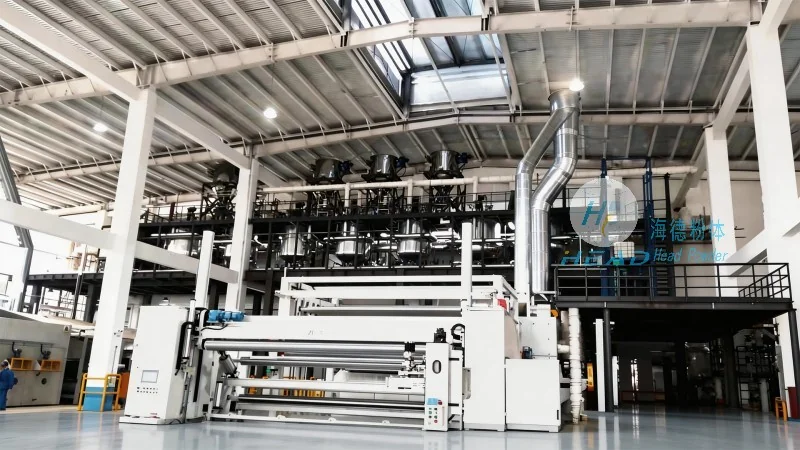
Key Components and Their Functions in Pneumatic Conveying Systems
Several key components work together to ensure the smooth operation of a pneumatic conveying system for cement raw materials. The blower or compressor is the primary source of air pressure, providing the necessary force to move the material through the pipeline. The hopper serves as a storage and feeding unit, holding the raw materials and controlling the feed rate. The feed device, such as a rotary valve or a screw feeder, regulates the material flow into the conveying line, preventing blockages and ensuring consistent operation. The conveying line itself is made of durable materials like stainless steel or plastic, designed to withstand the abrasive nature of cement raw materials and the high pressure of the airflow. The receiver, often equipped with a dust collection system, collects the conveyed material and separates it from the air, maintaining a clean and efficient process.
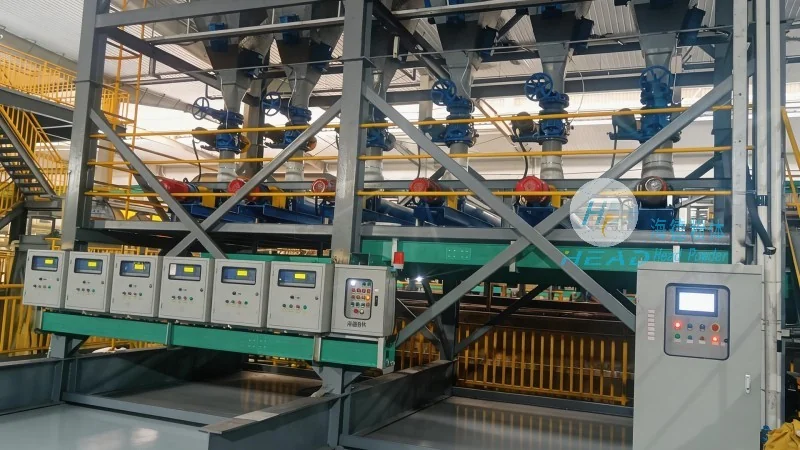
Advantages of Pneumatic Conveying Systems in Cement Production
Pneumatic conveying systems offer numerous benefits that make them a preferred choice for transporting cement raw materials. One of the most significant advantages is their ability to handle materials with high moisture content or sticky properties, which can cause blockages in mechanical systems. The enclosed pipeline design also minimizes dust emissions and environmental contamination, improving workplace safety and compliance with environmental regulations. Additionally, pneumatic systems can be easily integrated with other process equipment, such as mixers and kilns, allowing for seamless material transfer and reducing downtime. The compact design of these systems also saves space in the plant, making them suitable for both new installations and retrofitting existing facilities.
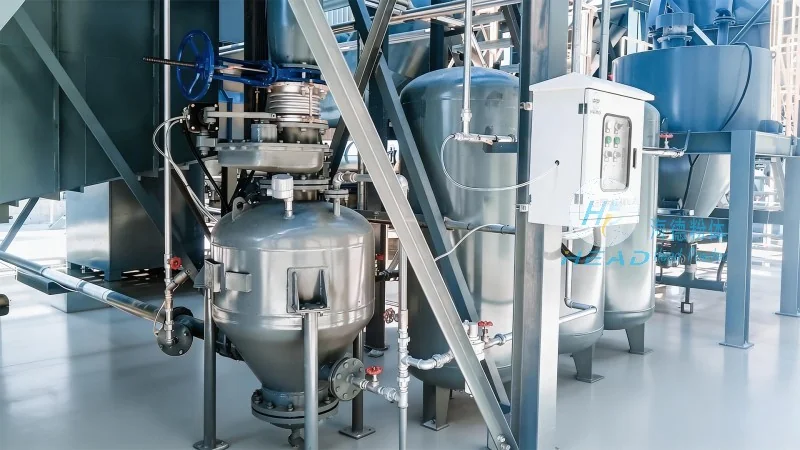
Applications and Considerations for Pneumatic Conveying Systems
Pneumatic conveying systems are widely used in various stages of cement production, from raw material handling to clinker processing. They are particularly effective for transporting materials over long distances or through complex layouts, as the pipeline can be configured to follow the plant's layout without the need for multiple transfer points. However, the design and operation of these systems require careful consideration of several factors, including the material's properties (particle size, density, moisture content), the required conveying distance, and the system's pressure and flow requirements. Proper sizing of the blower, pipeline diameter, and feed device is crucial to ensure optimal performance and prevent issues such as material buildup or air leakage.
Conclusion: The Role of Pneumatic Conveying Systems in Modern Cement Manufacturing
As the cement industry continues to evolve, the demand for efficient and reliable material handling solutions remains high. Pneumatic conveying systems, with their advanced technology and proven performance, play a vital role in ensuring the smooth operation of cement production facilities. By leveraging the expertise of companies like Shandong HeadPowder Engineering Co., Ltd., cement manufacturers can implement state-of-the-art pneumatic conveying systems that enhance productivity, reduce costs, and improve overall plant efficiency. The working principles and components of these systems are designed to meet the specific needs of the cement industry, providing a sustainable and effective solution for transporting cement raw materials.