

Introduction to Rare Earth Crystal Powder Pneumatic Conveying and the Working Principle of Pneumatic
HeadPowder, a leading engineering company based in Shandong, China, specializes in the design, installation, and maintenance of advanced pneumatic conveying systems for handling rare earth crystal powders. This article provides an overview of the technology and the fundamental principles that govern the operation of such systems.
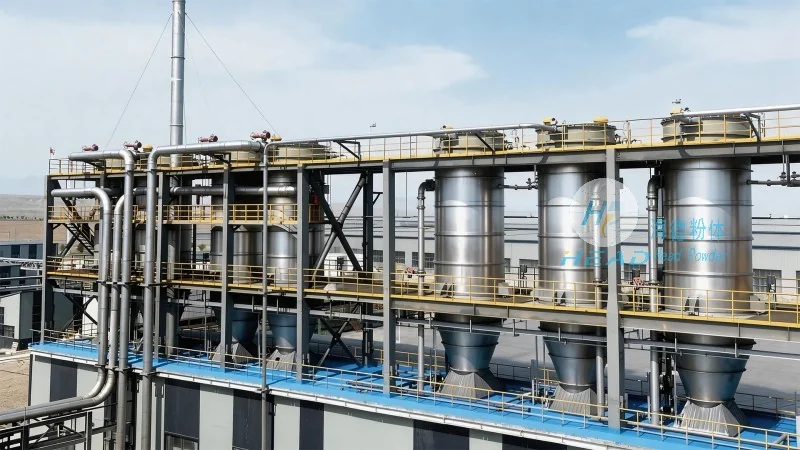
Understanding Pneumatic Conveying Systems
Pneumatic conveying is a method of transporting bulk materials, such as rare earth crystal powders, through a pipeline using a gas stream, typically air or a mixture of air and other gases. The process involves creating a flow of air within the pipeline that carries the powder particles from the source to the destination. This technique is widely used in industries dealing with fine powders due to its ability to handle materials that are difficult to transport by conventional means, such as those that are abrasive, corrosive, or prone to caking.
The Working Principle of Pneumatic Conveying
The core of a pneumatic conveying system consists of several key components, including a material feeder, a gas source (usually a blower or compressor), a pipeline network, and a receiver or discharge device. The process begins when the rare earth crystal powder is fed into the system, either by gravity or through a mechanical feeder. Simultaneously, the gas source generates a high-pressure air stream that is introduced into the pipeline. As the air flows through the pipe, it creates a low-pressure zone that draws the powder particles into the gas stream, forming a suspension of solid particles in the gas.
This suspension travels through the pipeline at a velocity sufficient to maintain the particles in suspension, preventing them from settling or depositing on the pipe walls. The design of the pipeline, including the diameter, length, and bends, is critical to ensuring that the particles remain in suspension and that the system operates efficiently. The velocity of the gas must be high enough to overcome the gravitational forces acting on the particles but not so high as to cause excessive wear on the equipment or to generate too much pressure drop.
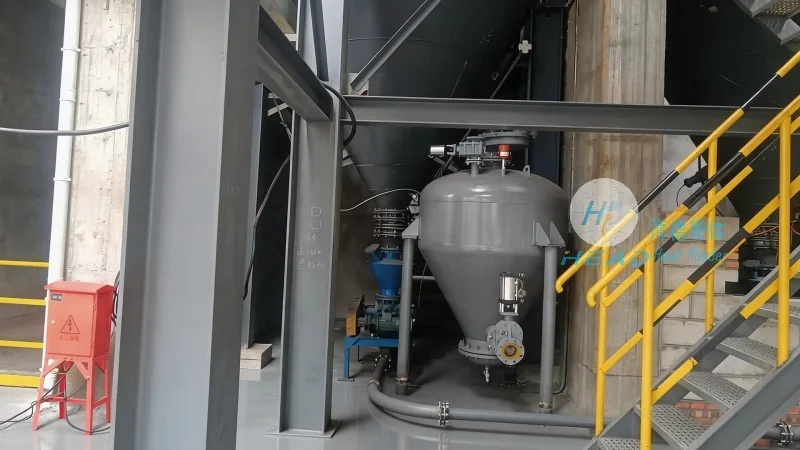
Key Components and Their Functions
1. Material Feeder: This component is responsible for feeding the rare earth crystal powder into the pneumatic conveying system at a controlled rate. The feeder can be a rotary valve, a screw feeder, or a vibrating feeder, depending on the specific requirements of the application. The feeder must be designed to handle the characteristics of the powder, such as its flowability, density, and particle size distribution.
2. Gas Source (Blower/Compressor): The gas source provides the necessary pressure and flow rate to move the powder through the pipeline. The choice of equipment depends on the system's capacity, the distance to be covered, and the characteristics of the material. Centrifugal blowers are commonly used for low to medium pressure systems, while positive displacement blowers are used for high-pressure applications.
3. Pipeline Network: The pipeline is the main conduit for transporting the powder and gas. It is typically made of materials such as stainless steel, which is resistant to corrosion and wear from the powder. The pipeline design includes straight sections, bends, and elbows, which are carefully engineered to minimize pressure losses and maintain the suspension of the particles.
4. Receiver/Discharge Device: The receiver is where the powder is collected after it has been conveyed through the pipeline. It is designed to separate the powder from the gas stream and collect it in a storage or processing vessel. The receiver may include a dust collection system to prevent the release of fine particles into the environment.
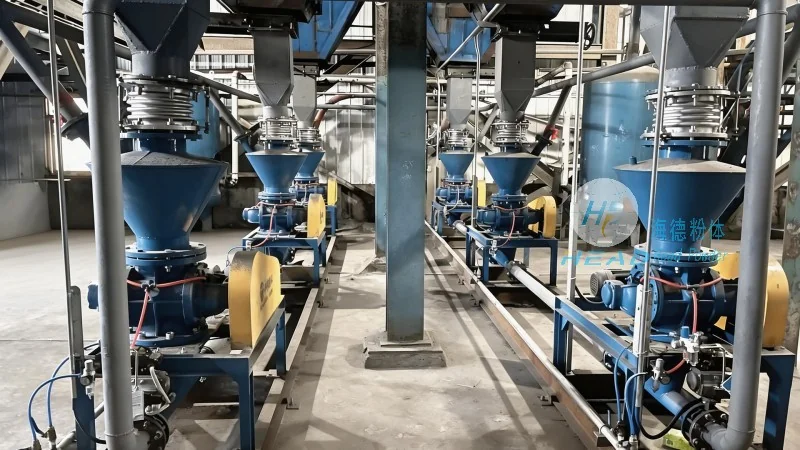
Advantages of Pneumatic Conveying for Rare Earth Crystal Powders
Using pneumatic conveying for rare earth crystal powders offers several advantages over traditional methods like belt conveyors or bucket elevators. These include:
- Reduced Material Handling Costs: Pneumatic systems can transport materials over long distances with minimal maintenance and lower energy consumption compared to other methods.
- Improved Material Quality: The enclosed system prevents contamination from dust, moisture, or other environmental factors, ensuring that the rare earth crystal powders remain in their original state.
- Flexibility in Layout: Pneumatic conveying systems can be installed in a variety of layouts, including vertical, horizontal, or inclined pipelines, allowing for integration into existing facilities.
- Reduced Labor and Space Requirements: The automated nature of the system reduces the need for manual labor and requires less floor space compared to traditional bulk handling equipment.
Applications in the Rare Earth Industry
Rare earth crystal powders are used in a wide range of applications, including electronics, magnets, and catalysts. Pneumatic conveying systems are essential for transporting these powders from production lines to storage facilities or to other processing units. The ability to handle fine powders without caking or agglomeration makes pneumatic systems ideal for maintaining the quality of rare earth materials.
Conclusion
Shandong HeadPowder Engineering Co., Ltd. leverages its expertise in pneumatic conveying technology to provide customized solutions for the handling of rare earth crystal powders. By understanding the fundamental principles of pneumatic conveying and carefully designing the system components, the company ensures efficient, reliable, and cost-effective material transport. With its headquarters in Shandong, China, HeadPowder continues to serve the global rare earth industry with advanced engineering solutions that meet the highest standards of performance and safety.