

Principle of Calcium Nitrite Pneumatic Conveying System
Calcium nitrite is a critical chemical compound utilized in various industrial sectors, including construction and chemical manufacturing, where it serves as a key additive in concrete production and fire retardant formulations. The efficient and safe transportation of calcium nitrite from storage to processing units is paramount for maintaining production efficiency, ensuring product quality, and upholding workplace safety standards. This article delves into the fundamental principles of a calcium nitrite pneumatic conveying system, elucidating its operational mechanics, essential components, and the advantages it provides to industrial operations.
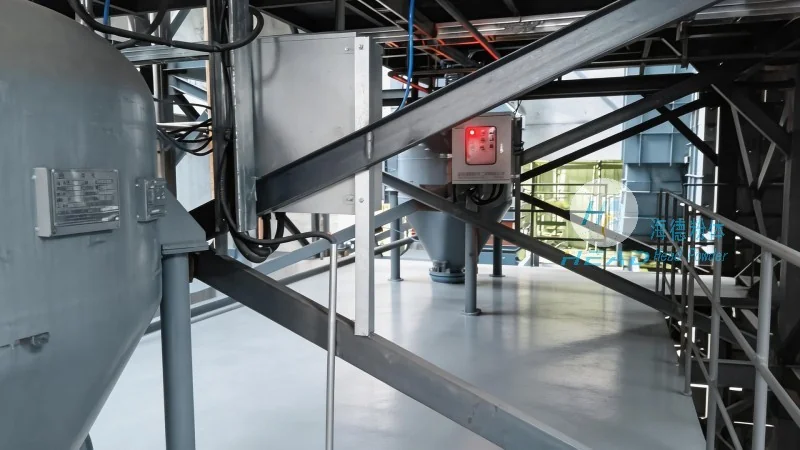
Introduction to Pneumatic Conveying Technology
Pneumatic conveying systems represent a sophisticated method of bulk material handling that leverages compressed air or gas to transport powders and granules through a pipeline network. Unlike traditional mechanical conveyors such as belt or bucket elevators, pneumatic systems offer significant benefits in terms of flexibility, space optimization, and the ability to handle materials that are dusty, abrasive, or potentially hazardous. The core concept involves creating a pressure differential within the pipeline, which generates a high-velocity air stream capable of suspending and transporting the material particles.
Core Components of a Calcium Nitrite Pneumatic Conveying System
The calcium nitrite pneumatic conveying system comprises several interdependent components that work in unison to facilitate material transport. These include a material storage hopper, a controlled feeder (often a rotary valve), a series of pipelines, a blower or air compressor, and a destination receiver hopper. Each component is meticulously designed to address specific operational requirements.
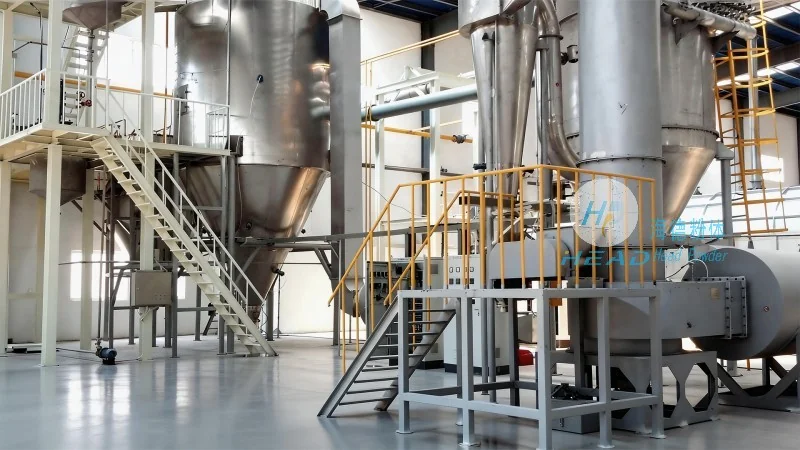
The material hopper is engineered to store substantial quantities of calcium nitrite, ensuring a continuous supply for uninterrupted production. The feeder regulates the flow rate, preventing overloading of the pipeline and maintaining consistent material transport. The pipelines are typically constructed from corrosion-resistant materials like stainless steel or specialized plastics to withstand the chemical properties of calcium nitrite and the abrasive nature of the material. The blower or air compressor generates the necessary air pressure and flow rate to propel the material through the system, while the receiver hopper collects the transported calcium nitrite at the destination point.
Operational Principle of the System
The fundamental working principle of the calcium nitrite pneumatic conveying system revolves around the creation of a high-velocity air stream that suspends the calcium nitrite particles and propels them through the pipeline. When the blower is activated, it produces a flow of air at a pressure sufficient to overcome gravitational forces acting on the material. The material is then introduced into the pipeline via the feeder, where it is mixed with the air stream and carried forward.
As the material travels through the pipeline, it experiences varying pressure conditions. The system may incorporate expansion chambers or cyclone separators at the destination to separate the material from the air stream. These components reduce air velocity, allowing the calcium nitrite to settle into the receiver hopper, while the air is either recirculated or vented, depending on the system design. This separation process ensures that the material is deposited efficiently and the air is managed appropriately.

Advantages of Implementing a Pneumatic Conveying System
Adopting a pneumatic conveying system for calcium nitrite offers several distinct advantages over conventional material handling methods. Firstly, it eliminates the need for manual handling, reducing exposure to dust and minimizing health risks associated with calcium nitrite. The enclosed system also prevents contamination from external sources and mitigates environmental impact.
Secondly, pneumatic systems are highly adaptable and can be integrated seamlessly into existing production lines. They can transport materials over long distances and through complex layouts, making them suitable for large-scale industrial applications. The system's ability to handle varying flow rates and material characteristics enhances operational efficiency and reduces downtime, contributing to overall productivity.
Application in Industrial Production
The calcium nitrite pneumatic conveying system is commonly employed in the construction industry, where calcium nitrite is used as an admixture in concrete to enhance durability and fire resistance. In these applications, the system ensures precise and consistent delivery of the material to mixing plants or processing units, directly impacting the quality of the final concrete product.
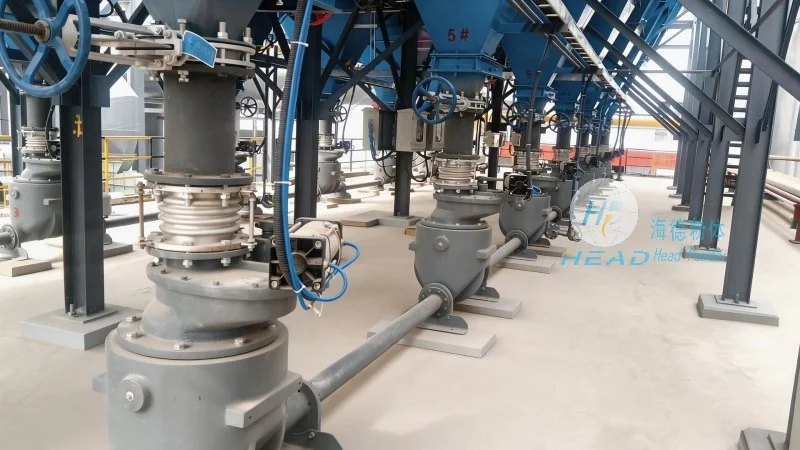
Additionally, the system is utilized in the manufacturing of fire retardants and other chemical products where calcium nitrite is a critical ingredient. The reliable transport of the material ensures uninterrupted production processes, meeting the stringent quality standards required in these sectors.
Conclusion
In summary, the calcium nitrite pneumatic conveying system represents an advanced and effective solution for the efficient and safe handling of this vital chemical compound. By understanding its operational principles and key components, industrial operators can optimize material transport processes, enhance productivity, and ensure compliance with safety regulations. The system's benefits in flexibility, safety, and efficiency make it a preferred choice for modern industrial applications, contributing to the overall success of calcium nitrite-based production lines.