

Principle of Pneumatic Conveying Equipment for Rice Grains
HeadPowder, a leading manufacturer based in Shandong, China, specializes in the design and production of advanced pneumatic conveying systems tailored for handling rice grains and similar bulk materials. The company's expertise lies in developing efficient, reliable, and cost-effective solutions that ensure optimal performance in grain processing and transportation applications.
Understanding Pneumatic Conveying Systems for Rice Grains
Pneumatic conveying, also known as air conveying, is a method of transporting bulk materials like rice grains through a pipeline using a stream of air. This technology offers several advantages over traditional mechanical conveying systems, including reduced equipment wear, lower maintenance costs, and the ability to handle materials in a closed system, minimizing dust and contamination. The core principle involves creating a pressure differential within the pipeline to move the material from the source to the destination.
Key Components of the Pneumatic Conveying Equipment
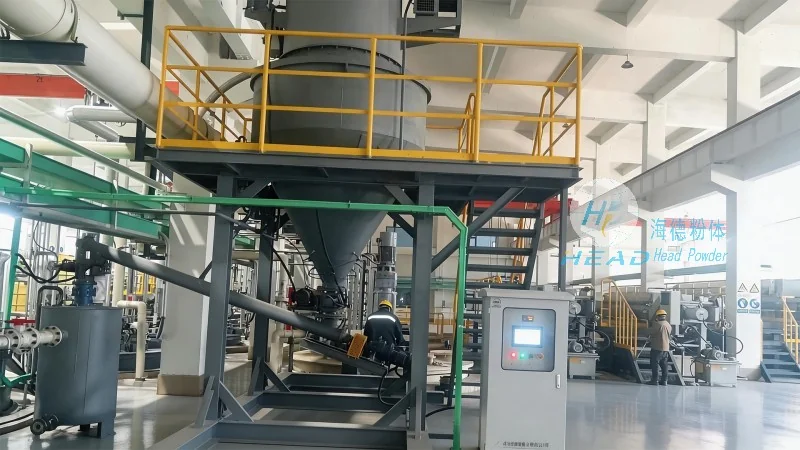
The pneumatic conveying system for rice grains typically consists of several critical components that work in tandem to ensure smooth operation. These include the hopper or feeder, which stores and meters the rice grains; the air compressor or blower, which generates the necessary airflow; the conveying pipeline, which transports the material; and the receiver or discharge unit, where the rice is collected. Each component is designed to handle the specific characteristics of rice grains, such as their size, density, and moisture content, to maximize efficiency and minimize product degradation.

Working Principle of the Pneumatic Conveying Process
The operation of the pneumatic conveying system begins with the rice grains being fed into the hopper. The feeder then regulates the flow of grains into the pipeline, ensuring a consistent rate of material introduction. Simultaneously, the air compressor generates a high-pressure air stream that is introduced into the pipeline. As the air flows through the conveying line, it entrains the rice grains, creating a mixture of air and material. This mixture travels through the pipeline to the receiver, where the air is separated from the rice grains, typically through a cyclone or filter system. The rice grains are then discharged from the receiver, while the air is either recirculated or vented to the atmosphere. The entire process is controlled by a system of valves, sensors, and controls that monitor pressure, flow, and material level to maintain optimal performance.
Advantages of Using Pneumatic Conveying for Rice Grains
Implementing a pneumatic conveying system for rice grains offers numerous benefits that enhance operational efficiency and product quality. Firstly, the closed system design prevents dust and contaminants from entering the environment, ensuring compliance with health and safety regulations and maintaining the purity of the rice grains. Secondly, the reduced mechanical contact between the material and equipment minimizes the risk of damage to the rice grains, preserving their texture and nutritional value. Thirdly, the system's ability to handle varying material flow rates and pipeline lengths makes it adaptable to different production scales and layouts. Additionally, the lower energy consumption compared to mechanical systems contributes to cost savings and environmental sustainability.
Customization and Application Flexibility
HeadPowder recognizes that each rice processing facility has unique requirements, and therefore, offers customized pneumatic conveying solutions tailored to specific applications. The company's engineers work closely with clients to assess their operational needs, including the volume of rice to be conveyed, the distance between the source and destination, and the existing infrastructure. Based on this assessment, they design a system that incorporates the appropriate components, such as the type of air compressor, pipeline diameter, and control system, to meet the client's specific demands. This customization ensures that the system operates at peak efficiency, minimizing downtime and maximizing productivity.
Maintenance and Longevity of the Equipment
Proper maintenance is crucial to ensure the long-term reliability and performance of the pneumatic conveying equipment. HeadPowder provides comprehensive maintenance services and spare parts support to its clients, ensuring that the systems remain in optimal condition. Regular maintenance tasks include checking and replacing air filters, inspecting pipeline integrity, and cleaning the hopper and receiver to prevent clogging. The company's expertise in equipment design and operation enables it to provide effective maintenance solutions that extend the lifespan of the equipment and reduce the risk of unexpected failures.
Conclusion
HeadPowder's pneumatic conveying equipment for rice grains represents a sophisticated and efficient solution for the transportation and handling of bulk materials in the rice processing industry. By leveraging the principles of pneumatic conveying and incorporating advanced design features, the company's systems offer superior performance, reliability, and cost-effectiveness. With a commitment to quality and customer satisfaction, HeadPowder continues to be a trusted partner for rice processing facilities seeking to enhance their operational efficiency and product quality.