

Principle of Limestone Pneumatic Conveying Equipment
Understanding the principle of limestone pneumatic conveying equipment is crucial for industries that rely on efficient material handling solutions. This equipment plays a vital role in transporting limestone, a widely used raw material in various industrial processes, from storage to processing facilities with minimal manual intervention.
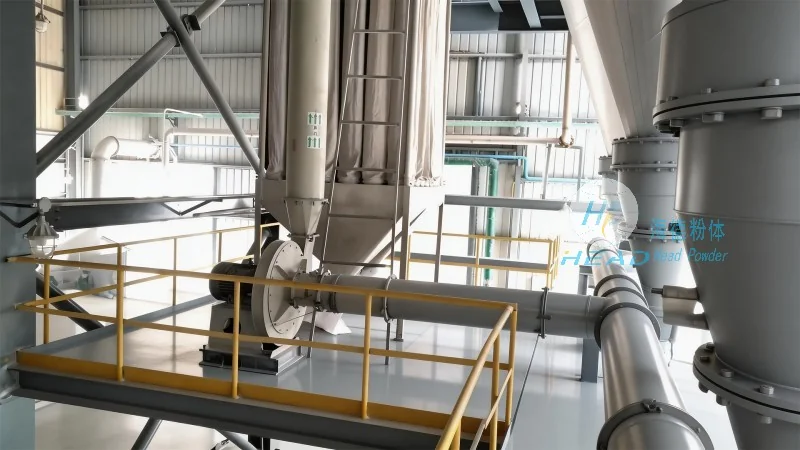
Company Introduction: HeadPowder Engineering
HeadPowder, a leading manufacturer based in Shandong, China, specializes in the design and production of advanced pneumatic conveying systems. With years of experience in the field, the company has established itself as a trusted provider of high-quality equipment tailored to meet the specific needs of clients in the chemical, cement, and mining sectors. The company’s headquarters is located in Shandong, China, where it maintains a strong presence in the regional industrial landscape.
The Fundamental Principle of Pneumatic Conveying
Pneumatic conveying operates on the principle of using air to transport bulk materials through a pipeline system. In the case of limestone, the equipment utilizes a combination of pressure or vacuum to move the material from the source to the destination. The process involves several key components, including a hopper for material storage, a conveyor line, and a control system that regulates the air flow and material movement. The design of the system is optimized to ensure efficient and reliable transport, minimizing material degradation and operational costs.
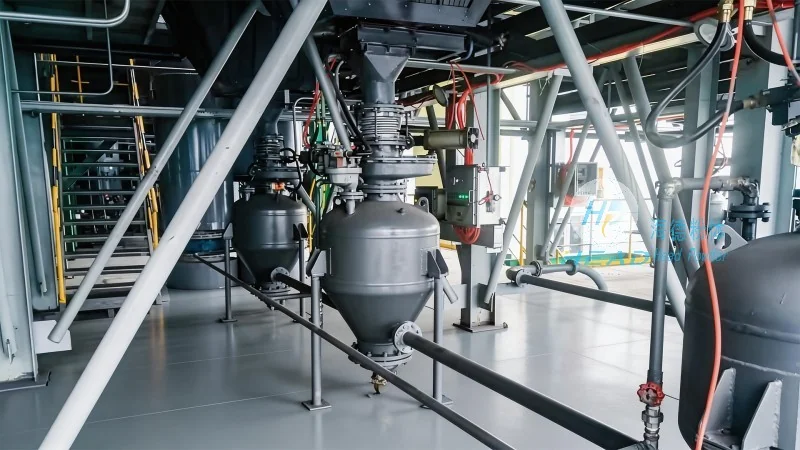
Key Components and Their Functions
The effectiveness of limestone pneumatic conveying equipment depends on the proper integration of several critical components. The hopper serves as the initial storage point, where limestone is loaded and prepared for transport. The conveyor line, typically made of durable materials such as stainless steel or special alloys, is designed to withstand the abrasive nature of limestone. The air supply system, which may include blowers or vacuum pumps, generates the necessary pressure or vacuum to move the material through the pipeline. Additionally, the control system monitors and adjusts the air flow and material feed rate to maintain optimal performance and prevent blockages or system failures.
Advantages of Using Pneumatic Conveying for Limestone
Compared to traditional mechanical conveying methods, pneumatic systems offer several advantages when handling limestone. These include reduced labor costs, as the equipment operates with minimal manual intervention, and improved safety, as there are fewer moving parts and less exposure to dust or other hazards. The system also allows for flexible routing, enabling the material to be transported to multiple destinations from a single source. Furthermore, pneumatic conveying can handle a wide range of limestone particle sizes and moisture levels, making it suitable for various industrial applications.
Application Scenarios in Industrial Settings
Limestone pneumatic conveying equipment is widely used in several industrial sectors. In the cement industry, it is essential for transporting limestone from quarries to cement plants, where it serves as a key raw material for cement production. The equipment is also utilized in the chemical industry for the transport of limestone used in the production of calcium compounds. Additionally, mining operations may employ pneumatic conveying systems to move limestone from storage areas to processing facilities, enhancing operational efficiency and reducing downtime.
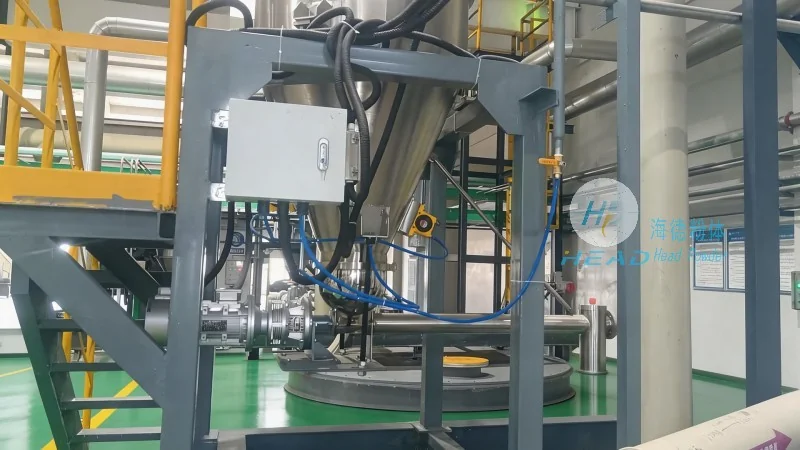
Technical Considerations for Optimal Performance
Several technical factors must be considered to ensure the optimal performance of limestone pneumatic conveying equipment. The selection of the appropriate air velocity is critical, as it directly impacts the material's transport efficiency and system pressure. The design of the hopper and conveyor line must account for the abrasive properties of limestone to prevent wear and tear. Proper maintenance of the air supply system and control components is also essential to avoid system failures and ensure consistent operation. By addressing these technical considerations, industries can maximize the efficiency and longevity of their pneumatic conveying systems.
Conclusion: The Role of HeadPowder in Advancing Limestone Conveying Technology
HeadPowder Engineering continues to innovate in the field of limestone pneumatic conveying equipment, providing clients with reliable and efficient solutions that meet their specific operational requirements. By leveraging advanced engineering and manufacturing techniques, the company ensures that its equipment delivers consistent performance and contributes to the overall productivity of industrial processes. As industries increasingly seek sustainable and cost-effective material handling solutions, the role of pneumatic conveying systems, particularly for limestone, will continue to grow, making HeadPowder a key player in this evolving market.