

How to Choose the Right Lightweight Cement Pneumatic Conveying Manufacturer? Factors to Consider
When it comes to selecting a manufacturer for lightweight cement pneumatic conveying systems, the process requires careful evaluation of several critical factors. The right choice can significantly impact operational efficiency, cost-effectiveness, and overall project success. This guide outlines key considerations to help you make an informed decision, with a focus on the expertise and capabilities of companies like Shandong HeadPowder Engineering Co., Ltd., a leading provider in the industry.
Technical Expertise and Experience
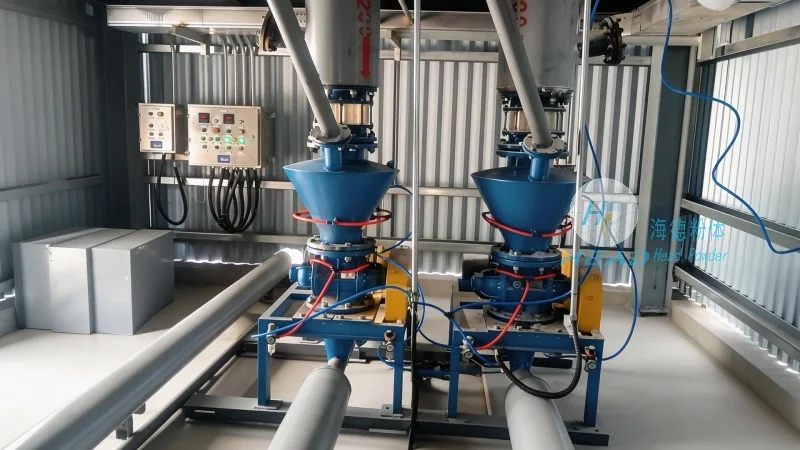
One of the most important factors in choosing a manufacturer is their technical expertise and industry experience. A reputable company like HeadPowder, with a strong background in pneumatic conveying technology, understands the unique challenges of handling lightweight cement. Their experience in designing, manufacturing, and implementing such systems ensures that the solutions they provide are not only efficient but also tailored to specific operational needs. Companies with a proven track record in the cement industry often have a deeper understanding of material properties, flow dynamics, and the environmental factors that affect conveying performance. This expertise is crucial for developing systems that minimize downtime, reduce material loss, and optimize energy consumption.
Equipment Quality and Reliability
Another critical aspect to evaluate is the quality and reliability of the equipment offered by the manufacturer. For lightweight cement pneumatic conveying, the equipment must be robust enough to handle the specific characteristics of the material, such as low bulk density and potential for dust generation. High-quality components, including airlocks, cyclones, and conveying lines, are essential to ensure consistent performance and longevity. A manufacturer with a focus on durability and precision engineering, like Shandong HeadPowder Engineering Co., Ltd., invests in advanced materials and manufacturing processes to produce equipment that withstands the demands of continuous operation. This reliability reduces maintenance costs and ensures that the system operates at peak efficiency over its lifespan.
Customization and Flexibility
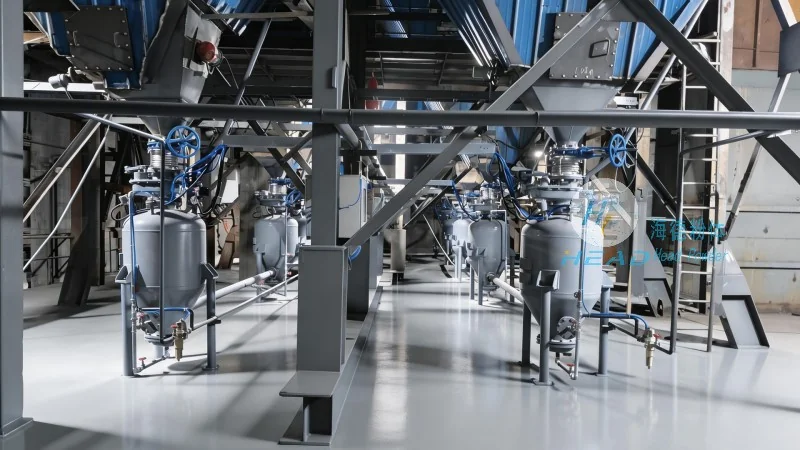
Every industrial application has unique requirements, and a one-size-fits-all solution is rarely effective. The best manufacturers offer customization options to meet specific project needs. This includes the ability to adjust system capacity, pressure levels, and material handling capabilities based on the client's operational parameters. Shandong HeadPowder Engineering Co., Ltd. specializes in providing tailored solutions, working closely with clients to understand their production processes and material handling challenges. Their team of engineers can design systems that integrate seamlessly with existing infrastructure or adapt to new production lines, ensuring optimal performance and minimal disruption. Customization also allows for the incorporation of advanced features, such as automated controls and monitoring systems, which enhance operational control and safety.
Service and Support
Post-installation support is a vital consideration when selecting a manufacturer. The right partner should offer comprehensive after-sales services, including installation, commissioning, and ongoing maintenance. For companies like HeadPowder, based in Shandong, China, this includes access to local technical support, which can be crucial for timely assistance and reduced downtime. A reliable manufacturer provides training for the client's staff on system operation and maintenance, ensuring that the equipment is used effectively and efficiently. Additionally, they should offer spare parts availability and quick response times for repairs, minimizing the impact of any technical issues on production. This level of support is essential for long-term partnership and the overall success of the pneumatic conveying system.
Case Studies and References
Before making a final decision, it is beneficial to review case studies and references from previous clients. This provides insight into the manufacturer's actual performance and how they have addressed the needs of other companies in the cement industry. Shandong HeadPowder Engineering Co., Ltd. has a portfolio of successful projects, demonstrating their ability to deliver high-quality pneumatic conveying systems that meet or exceed client expectations. By examining these case studies, potential customers can assess the manufacturer's approach to problem-solving, project management, and client satisfaction. This information helps in evaluating whether the company's values and operational philosophy align with the client's goals, ensuring a successful and sustainable partnership.
Compliance and Safety Standards
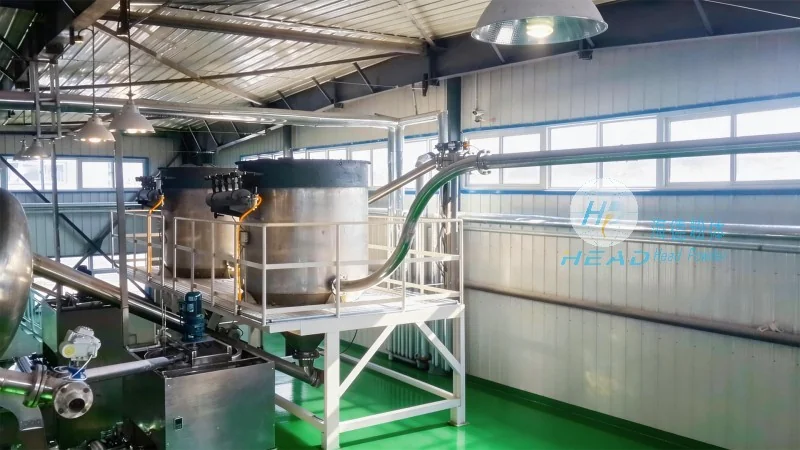
Ensuring that the manufacturer adheres to relevant safety and environmental standards is another critical factor. Pneumatic conveying systems, especially those handling lightweight cement, must comply with regulations related to dust control, air quality, and equipment safety. A reputable company like HeadPowder prioritizes compliance with international and local standards, incorporating safety features into their designs. This includes measures to prevent dust explosions, ensure proper ventilation, and maintain equipment integrity. By choosing a manufacturer that upholds these standards, clients can mitigate risks and ensure the well-being of their workforce while operating the system. Compliance also extends to environmental considerations, such as minimizing emissions and optimizing energy use, which are increasingly important in today's industrial landscape.
Cost-Effectiveness and Long-Term Value
While initial costs are a consideration, the long-term value of the system should be the primary focus. A manufacturer that offers a balance between upfront investment and long-term operational savings is preferable. Shandong HeadPowder Engineering Co., Ltd. focuses on providing cost-effective solutions that deliver high efficiency and durability, reducing the total cost of ownership over the system's lifespan. This includes using high-quality materials that minimize maintenance needs and optimizing energy consumption through efficient design. By evaluating the total cost of ownership, including maintenance, energy, and operational costs, clients can make a more informed decision that aligns with their budget and long-term business objectives.