

What is Ammonium Acetate Pneumatic Conveying? What Are Its Design Principles?
Ammonium acetate, a chemical compound widely used in various industrial applications, often requires efficient and reliable material handling solutions. Pneumatic conveying systems have emerged as a preferred method for transporting such materials, offering advantages like reduced contamination, improved safety, and enhanced process control. This article explores the concept of ammonium acetate pneumatic conveying and delves into the fundamental design principles that underpin its effective operation.
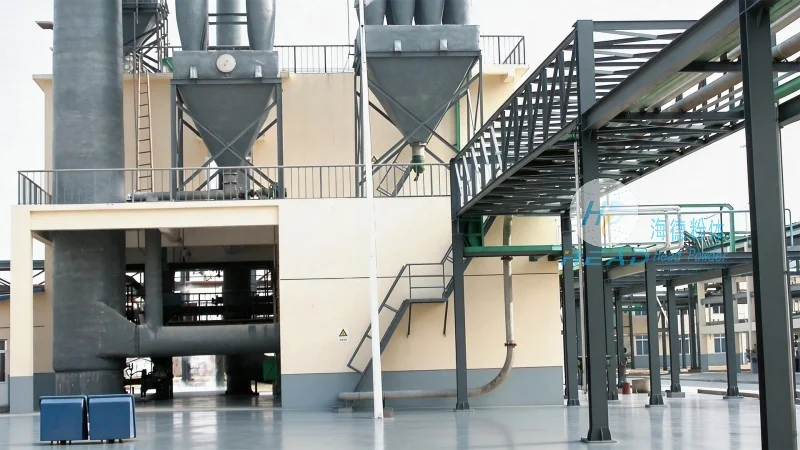
Understanding Ammonium Acetate Pneumatic Conveying
Ammonium acetate (CH₃COONH₄) is a white crystalline solid commonly utilized in pharmaceuticals, food additives, and chemical synthesis. Its handling demands careful consideration due to its hygroscopic nature and potential for dust generation. Pneumatic conveying, which uses air or other gases to transport bulk materials, addresses these challenges by providing a closed system that minimizes exposure to external elements. The process involves the material being drawn into a pipeline by a vacuum or blown through by compressed air, depending on the system configuration. This method is particularly suitable for ammonium acetate as it prevents product degradation and ensures consistent quality throughout the conveying process.
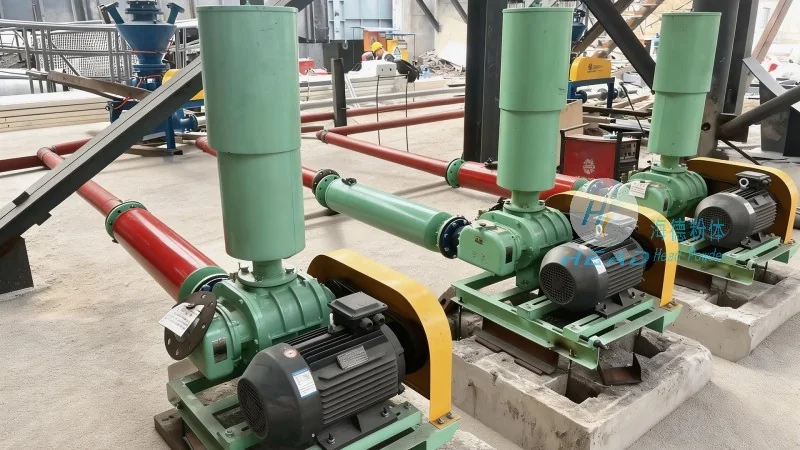
Key Design Principles of Ammonium Acetate Pneumatic Conveying Systems
The design of an ammonium acetate pneumatic conveying system is governed by several critical principles aimed at optimizing performance, efficiency, and safety. These principles include system selection (vacuum or pressure), material flow rate, pipeline configuration, and equipment selection. The choice between vacuum and pressure systems depends on the distance, elevation changes, and material characteristics. Vacuum systems are ideal for short distances and gentle material movement, while pressure systems are better suited for longer conveying distances and higher material loads. The pipeline diameter and length are carefully calculated to maintain sufficient air velocity to prevent material settling and ensure smooth flow. Additionally, the inclusion of components such as cyclones, filters, and surge tanks is essential to manage dust, separate air from the material, and regulate flow rates, thereby protecting equipment and maintaining product integrity.
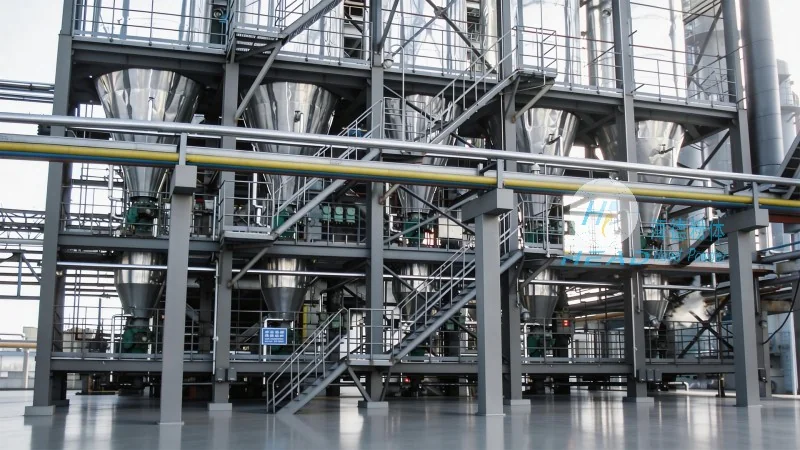
System Components and Their Functions
A typical ammonium acetate pneumatic conveying system comprises several key components, each playing a vital role in the overall operation. The primary components include the material feed hopper, which stores and feeds the ammonium acetate into the system; the air supply unit (either vacuum pump or compressor), which provides the necessary airflow; the conveying pipeline, which transports the material; and the receiving hopper or silo, where the material is deposited. The feed hopper is designed with a hopper angle and discharge mechanism to prevent material bridging and ensure consistent feeding. The air supply unit is selected based on the required airflow rate and pressure, ensuring it can handle the material's specific properties. The pipeline is constructed from materials resistant to corrosion and abrasion, such as stainless steel or special alloys, to withstand the chemical and physical stresses of ammonium acetate. The receiving hopper is equipped with a discharge valve and level indicator to control the material's release and monitor inventory levels.
Advantages and Considerations for Ammonium Acetate Pneumatic Conveying
Implementing a pneumatic conveying system for ammonium acetate offers numerous advantages over traditional methods like bucket elevators or belt conveyors. These benefits include reduced labor costs, minimized product contamination, improved safety by eliminating manual handling, and enhanced process control through real-time monitoring. However, certain considerations must be addressed to ensure optimal system performance. For instance, the hygroscopic nature of ammonium acetate requires moisture control within the system to prevent clumping and blockages. Additionally, the system must be designed to handle potential dust explosions, as ammonium acetate is a combustible dust. Proper ventilation, explosion-proof equipment, and dust collection systems are essential to mitigate these risks. Furthermore, regular maintenance and cleaning are crucial to prevent material buildup and maintain air flow efficiency.
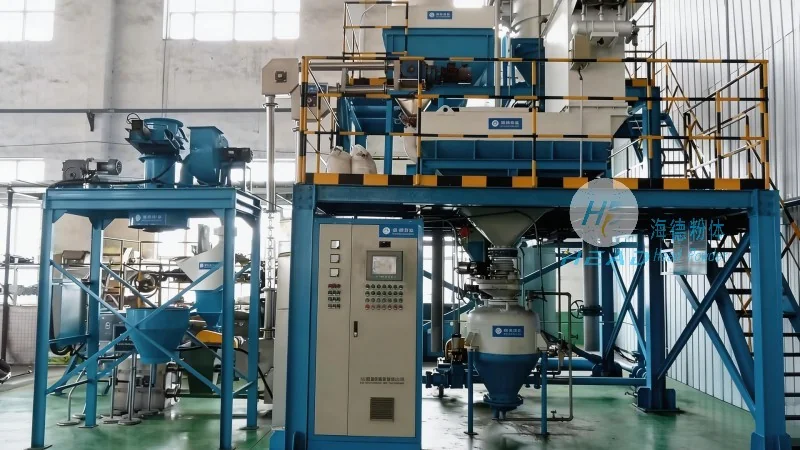
About Shandong HeadPowder Engineering Co., Ltd.
Shandong HeadPowder Engineering Co., Ltd., a leading provider of material handling solutions, specializes in designing and manufacturing customized pneumatic conveying systems tailored to the unique needs of various industries. With a strong commitment to quality and innovation, the company has earned a reputation for delivering reliable and efficient systems that meet the highest standards. HeadPowder's expertise lies in understanding the specific challenges of handling chemicals like ammonium acetate and developing solutions that enhance operational efficiency and safety. The company's team of engineers and technicians work closely with clients to assess their requirements, provide technical support, and ensure the successful implementation of pneumatic conveying systems. Based in Shandong, China, HeadPowder leverages its local resources and industry knowledge to deliver comprehensive services, from system design and installation to maintenance and troubleshooting. By partnering with HeadPowder, businesses can benefit from advanced technology and professional guidance to optimize their material handling processes and improve overall productivity.