

What is Artificial Graphite Pneumatic Conveying? And What Are Its Design Principles?
Artificial graphite pneumatic conveying is a specialized method used in material handling and industrial processes to transport powders and granules through a pipeline using compressed air or other gas streams. This technology is particularly valuable for handling materials that are abrasive, reactive, or sensitive to moisture, making it a preferred choice in various industries such as chemical, pharmaceutical, and food processing. The system operates by creating a flow of air or gas that lifts and propels the material through the pipeline, ensuring efficient and controlled movement without the need for mechanical components like belts or buckets.
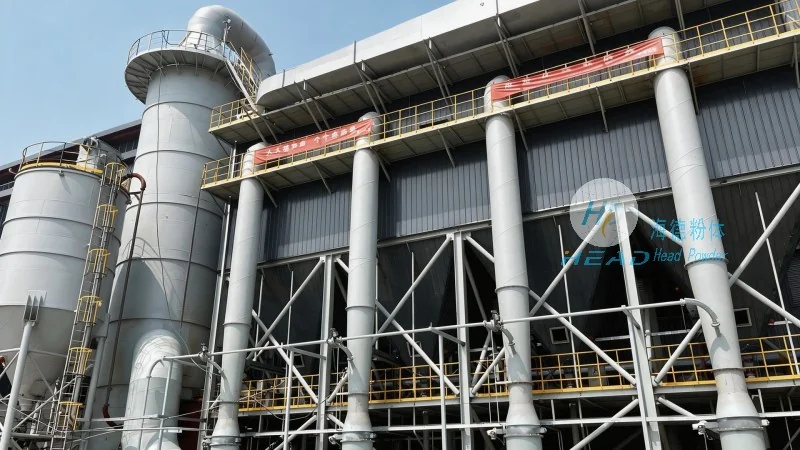
Key Design Principles of Artificial Graphite Pneumatic Conveying Systems
The design of artificial graphite pneumatic conveying systems is based on several critical principles to ensure optimal performance and reliability. First, the system must be engineered to handle the specific properties of the material being conveyed, including its particle size, density, and flow characteristics. The choice of artificial graphite components, such as pipes, valves, and fittings, is crucial as they provide excellent chemical resistance and thermal stability, which are essential for maintaining the integrity of the material and the system itself. Second, the system must be designed to minimize pressure drop and energy consumption. This involves selecting appropriate pipe diameters, using efficient air distribution methods, and optimizing the velocity of the gas stream to achieve a balance between conveying efficiency and energy use. Third, the system must incorporate effective control mechanisms to regulate the flow rate and pressure, ensuring smooth operation and preventing issues like blockages or overloading. These principles collectively contribute to the effectiveness and longevity of the artificial graphite pneumatic conveying system.
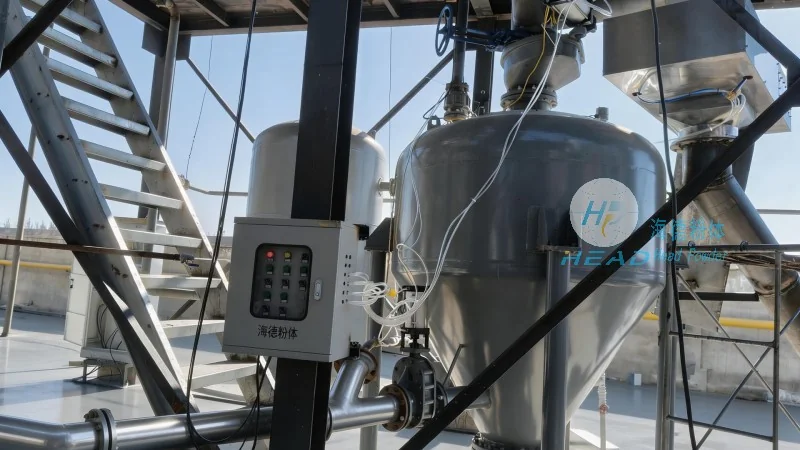
Components and Materials Used in Artificial Graphite Pneumatic Conveying
Artificial graphite is the primary material used in the construction of pneumatic conveying systems due to its unique properties. Graphite is known for its high thermal conductivity, chemical inertness, and resistance to corrosion, making it ideal for handling a wide range of materials, including those that are acidic, alkaline, or organic. The components typically include high-quality artificial graphite pipes, which are often lined with a smooth surface to reduce friction and improve flow. Valves, such as rotary airlocks and gate valves, are also made from artificial graphite to ensure reliable sealing and operation. Fittings like elbows, tees, and reducers are designed to maintain the integrity of the system and facilitate easy installation and maintenance. The use of artificial graphite materials not only enhances the durability of the system but also ensures that the conveyed material remains uncontaminated, which is critical in industries where purity is paramount, such as pharmaceuticals and food processing.
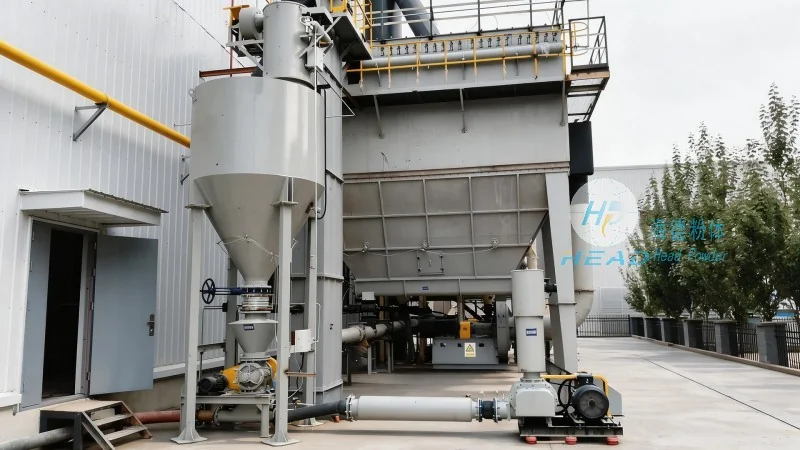
Applications of Artificial Graphite Pneumatic Conveying
Artificial graphite pneumatic conveying systems are widely used in various industrial applications where the handling of fine or abrasive powders is required. In the chemical industry, these systems are used to transport raw materials like graphite powder, carbon black, and other chemicals that are sensitive to moisture or air. The pharmaceutical industry benefits from this technology as it allows for the safe and hygienic handling of active pharmaceutical ingredients (APIs) and excipients, ensuring that the materials remain free from contamination. The food processing industry also utilizes artificial graphite pneumatic conveying for handling powders like sugar, flour, and spices, where maintaining product quality and preventing cross-contamination is essential. Additionally, in the mining and mineral processing sectors, these systems are employed to transport fine minerals and ores, which are often abrasive and require robust material handling solutions. The versatility of artificial graphite pneumatic conveying makes it suitable for a wide range of applications, from small-scale laboratory operations to large-scale industrial processes.
Advantages of Artificial Graphite Pneumatic Conveying
There are several advantages to using artificial graphite pneumatic conveying systems over traditional mechanical conveying methods. One of the key benefits is the ability to handle materials that are difficult to transport using conventional methods, such as those that are sticky, abrasive, or prone to caking. The system’s design allows for the continuous and uniform flow of materials, reducing the risk of blockages and ensuring consistent performance. Another advantage is the reduced maintenance requirements compared to mechanical systems, as there are fewer moving parts that can wear out or require replacement. This leads to lower operational costs and increased system reliability. Additionally, artificial graphite materials are resistant to chemical corrosion, which means the system can handle a wide range of aggressive materials without degradation. The system also offers better control over the material flow, allowing for precise dosing and batching, which is essential in processes where accuracy is critical. Overall, the advantages of artificial graphite pneumatic conveying make it a preferred choice for industries that require efficient, reliable, and hygienic material handling solutions.

Challenges and Considerations in Artificial Graphite Pneumatic Conveying
While artificial graphite pneumatic conveying offers many benefits, there are also some challenges and considerations that must be addressed. One of the main challenges is the potential for pressure drop and energy consumption, especially when handling fine or low-density materials. This can lead to higher operating costs and may require additional energy input to maintain the conveying velocity. Another consideration is the need for proper system design and maintenance to prevent blockages and ensure smooth operation. The system must be sized appropriately to handle the material’s flow characteristics, and regular cleaning and inspection are necessary to maintain performance. Additionally, the cost of artificial graphite components can be higher than traditional materials, which may affect the overall project budget. However, the long-term benefits, such as reduced maintenance and improved material quality, often outweigh these initial costs. Proper training and maintenance protocols are also essential to ensure the system operates efficiently and safely. By addressing these challenges and considerations, the benefits of artificial graphite pneumatic conveying can be fully realized.