

What is Light Calcium Carbonate Pneumatic Conveying? And What Are Its Design Principles?
Light calcium carbonate (LCC) is a widely used industrial material, and its efficient handling and transportation are crucial for many production processes. Pneumatic conveying is a key technology for moving such materials, offering advantages like dust-free operation, reduced labor costs, and improved safety. This article explores the concept of light calcium carbonate pneumatic conveying and delves into its fundamental design principles, providing a comprehensive overview for industry professionals.
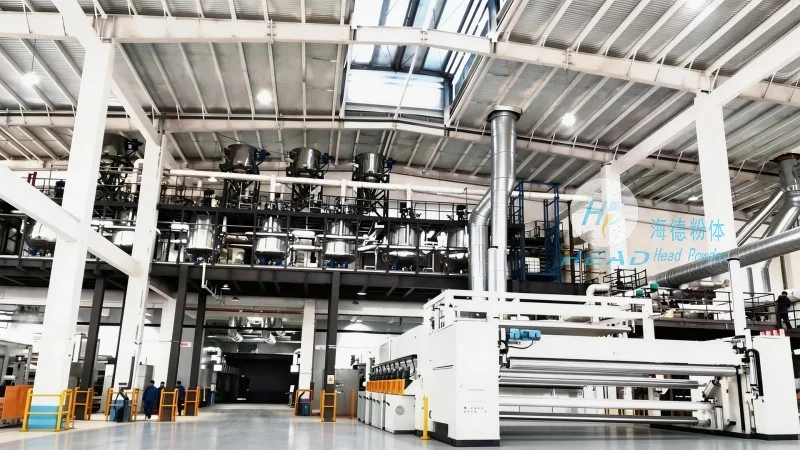
Understanding Light Calcium Carbonate Pneumatic Conveying
Light calcium carbonate, also known as precipitated calcium carbonate (PCC), is a fine powder with a high surface area and low bulk density. Traditional methods of transporting this material, such as belt conveyors or bucket elevators, often face challenges like dust generation, material degradation, and high maintenance requirements. Pneumatic conveying addresses these issues by using air or gas to transport the material through a pipeline system. The process involves creating a pressure differential between the inlet and outlet of the conveying line, which draws the material into the air stream and transports it to the destination. This method is particularly suitable for light calcium carbonate due to its fine particle size and low density, as it allows for efficient and continuous movement without the need for mechanical components that might cause wear or contamination.
Key Design Principles of Light Calcium Carbonate Pneumatic Conveying Systems
The successful design of a light calcium carbonate pneumatic conveying system relies on several critical principles. First, the selection of the appropriate conveying medium—typically air or a mixture of air and inert gases—is essential. The air velocity must be sufficient to keep the material suspended in the pipeline but not so high as to cause excessive pressure drops or energy consumption. Engineers often use the "minimum fluidization velocity" concept to determine the required air velocity for a given material. Second, the system's layout, including the number and type of components like feeders, cyclones, and filters, must be optimized to minimize pressure losses and ensure efficient separation of the material from the air stream. The design also considers the material's properties, such as its particle size distribution, moisture content, and flowability, as these factors directly impact the system's performance. Additionally, the choice of pipeline material and diameter is crucial for preventing material buildup and ensuring smooth flow. For light calcium carbonate, which is prone to agglomeration, anti-static and anti-corrosion measures may be incorporated into the design to maintain material quality and system efficiency.
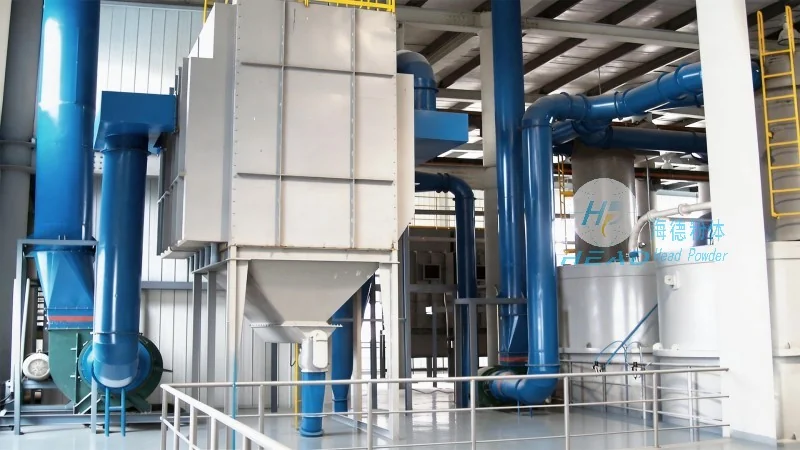
Components and Their Roles in the Conveying System
A light calcium carbonate pneumatic conveying system typically consists of several key components, each playing a vital role in the overall operation. The primary components include the material feeder, which introduces the light calcium carbonate into the conveying line at a controlled rate; the conveying pipeline, which transports the material and air mixture; the separation equipment, such as cyclones or bag filters, which separates the material from the air stream; and the collection hopper or silo, where the material is stored for further processing. The feeder is often a rotary valve or a screw feeder, designed to handle fine powders without causing blockages. The pipeline is usually made of stainless steel or plastic, selected based on the material's chemical compatibility and the need for corrosion resistance. The separation equipment is critical for recovering the material and cleaning the air, preventing dust emissions and ensuring compliance with environmental regulations. The collection hopper is designed to store the conveyed material in a way that minimizes segregation and allows for easy discharge.
Advantages and Applications of Light Calcium Carbonate Pneumatic Conveying
Pneumatic conveying offers several advantages for light calcium carbonate handling, making it a preferred choice in many industries. One of the main benefits is the ability to transport the material in a dust-free environment, which improves workplace safety and reduces the risk of product contamination. This is particularly important for light calcium carbonate, which is often used in food, pharmaceutical, and cosmetic applications where purity is paramount. Another advantage is the reduced labor costs, as the system automates the material handling process, minimizing the need for manual labor and associated costs. Additionally, pneumatic conveying systems are compact and can be integrated into existing production lines, saving space and improving overall efficiency. The technology is widely used in the paper, plastic, and rubber industries, where light calcium carbonate is used as a filler or reinforcement. It is also applied in the construction industry for producing cement and concrete additives, and in the chemical industry for various applications requiring fine calcium carbonate powders.
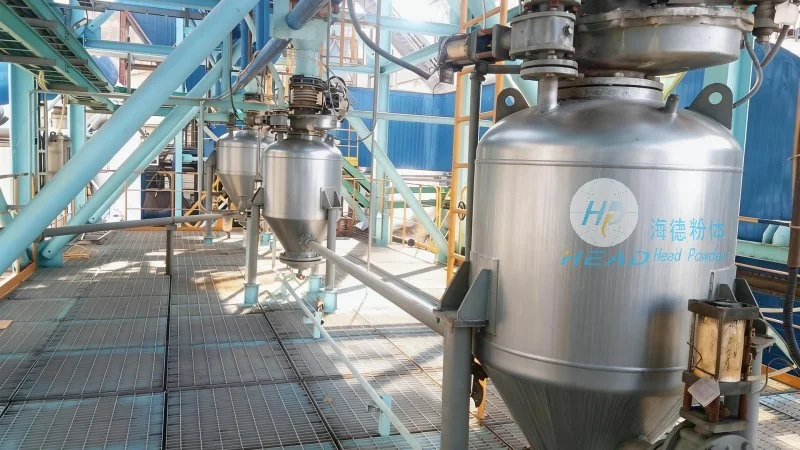
Challenges and Solutions in Light Calcium Carbonate Pneumatic Conveying
Despite its benefits, light calcium carbonate pneumatic conveying systems may face challenges that need to be addressed during design and operation. One common issue is material agglomeration, which can occur due to moisture or static electricity, leading to blockages in the pipeline. To mitigate this, anti-static additives may be added to the material or the pipeline, and the system may include heating elements to maintain the material's flowability. Another challenge is the high pressure drop across the system, which can increase energy consumption and reduce the conveying distance. Engineers can address this by optimizing the pipeline diameter, reducing bends and fittings, and using efficient separation equipment. Additionally, the system may experience wear and tear from the fine particles, requiring regular maintenance and replacement of components like cyclone liners and filter bags. Proper maintenance schedules and the use of high-quality materials can help extend the system's lifespan and ensure consistent performance.
Conclusion and Company Introduction
Light calcium carbonate pneumatic conveying is a sophisticated and efficient technology that plays a vital role in the handling and transportation of this essential industrial material. By understanding the design principles and components of such systems, manufacturers can optimize their operations, improve safety, and reduce costs. Shandong HeadPowder Engineering Co., Ltd., a leading provider in the field, specializes in the design, manufacturing, and installation of pneumatic conveying systems tailored to the specific needs of light calcium carbonate applications. With a focus on quality and innovation, the company ensures that its systems meet the highest standards of performance and reliability, helping clients achieve their production goals efficiently and sustainably. Based in Shandong, China, HeadPowder Engineering leverages its expertise to deliver customized solutions that enhance the efficiency and safety of light calcium carbonate handling processes across various industries.