

What is a Resin Pneumatic Conveying System? What Are Its Design Principles?
Resin pneumatic conveying systems are specialized equipment designed to transport resin powders or granules through a pipeline using compressed air or other gas as the conveying medium. These systems are widely used in the chemical, plastics, and manufacturing industries due to their efficiency, flexibility, and ability to handle various resin types with minimal product degradation.
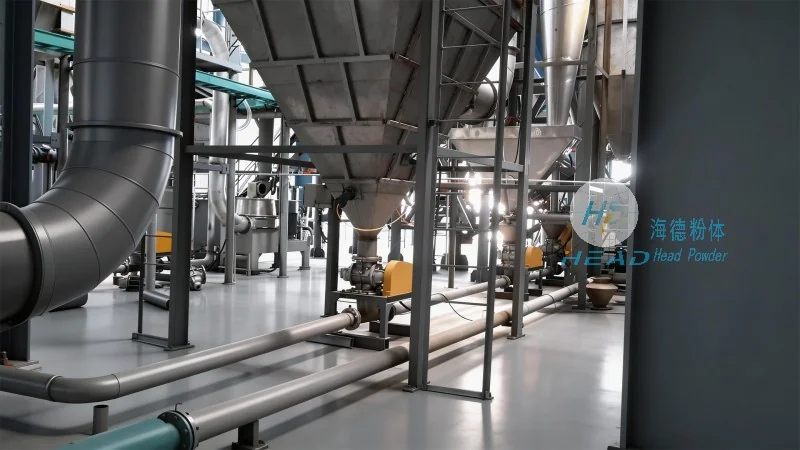
HeadPowder, a leading provider in the field, offers advanced solutions tailored to meet the specific needs of resin handling. With a focus on innovation and reliability, their systems ensure safe and effective transportation of resin materials from storage to processing units.
Design Principles of Resin Pneumatic Conveying Systems
The design of a resin pneumatic conveying system involves several key principles to ensure optimal performance. The primary design considerations include the type of conveying system (suction or pressure), the material characteristics of the resin (density, particle size, moisture content), and the required conveying distance and capacity.
Suction systems, also known as negative pressure systems, use a vacuum to draw material from a hopper or storage bin into the conveying line. This method is ideal for handling fine powders and is often used for short to medium conveying distances. The system typically includes a rotary valve, a vacuum pump, and a filter to prevent material from escaping.
Pressure systems, or positive pressure systems, use compressed air to push material through the pipeline. These systems are suitable for longer distances and can handle a wider range of materials, including bulkier granules. The design incorporates an air compressor, a pressure vessel, and a control system to regulate the air flow and pressure.
Key Components and Their Functions in Resin Pneumatic Conveying Systems
A resin pneumatic conveying system consists of several critical components that work together to ensure efficient operation. The key components include:
1. **Material Feeder (or Hopper)**: This component stores the resin and controls the flow rate into the conveying line. It is designed to handle different resin types and can be equipped with level sensors for automated operation.
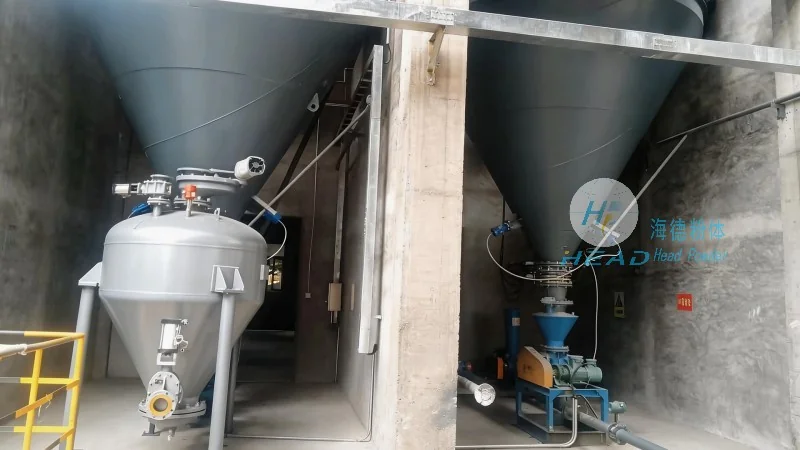
2. **Conveying Pipeline**: The pipeline is made of materials resistant to resin chemicals, such as stainless steel or special plastics, to prevent corrosion and material contamination.
3. **Air Supply System**: This includes the compressor, pressure regulator, and filter, which provide the necessary compressed air or gas to move the resin particles. The system is designed to maintain consistent pressure and air quality.
4. **Conveying Unit (Rotary Valve or Air Lock)**: This component controls the flow of resin into the pipeline, ensuring a steady and controlled feed rate. It prevents backflow and maintains the integrity of the material.
5. **Separation and Collection System**: After the resin reaches the destination, a separator (such as a cyclone or bag filter) removes the air from the material and collects the resin in a receiving hopper or container.
6. **Control System**: Modern systems are equipped with advanced control panels that monitor and regulate the entire process, including pressure, flow rate, and material levels.
Advantages of Using Resin Pneumatic Conveying Systems
Resin pneumatic conveying systems offer numerous advantages over traditional mechanical conveying methods. These include:
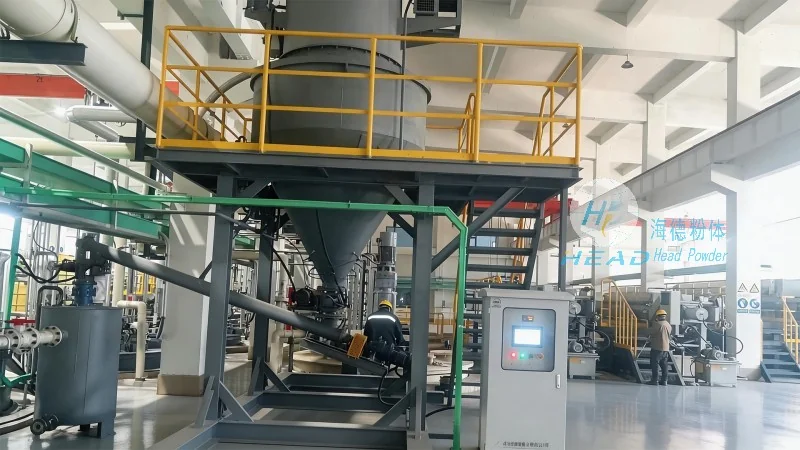
- **High Efficiency and Flexibility**: The systems can be easily adjusted to handle different resin types and conveying distances, making them versatile for various industrial applications.
- **Reduced Product Degradation**: Unlike mechanical systems that may cause friction and heat, pneumatic conveying minimizes material degradation, preserving the quality of the resin.
- **Space Efficiency**: These systems are compact and can be installed in confined spaces, saving valuable floor space in manufacturing facilities.
- **Low Maintenance**: With fewer moving parts compared to mechanical systems, pneumatic conveying systems require less maintenance and have lower operational costs over time.
- **Improved Safety**: The enclosed pipeline design prevents dust emissions and reduces the risk of fire or explosion, enhancing workplace safety.
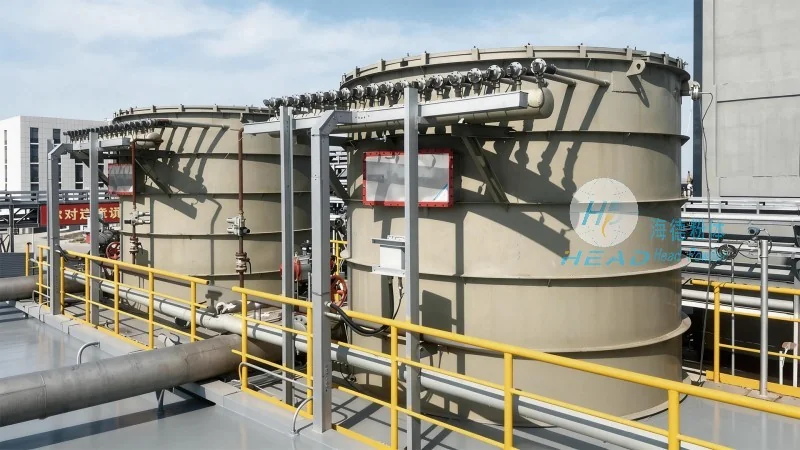
Applications in the Resin Industry
Resin pneumatic conveying systems are widely used in various applications within the resin industry. Some common applications include:
- **Transportation of Plastic Resins**: From storage silos to processing machines, these systems efficiently move plastic resins such as polyethylene, polypropylene, and polystyrene.
- **Handling of Chemical Resins**: In chemical plants, the systems transport resins used in the production of adhesives, coatings, and other chemical products.
- **Granule and Powder Handling**: The systems are ideal for handling fine powders and granules, ensuring consistent and reliable material flow in manufacturing processes.
- **Industrial Bulk Material Transport**: Resin pneumatic conveying is used in bulk material handling applications, where large quantities of resin need to be transported between different locations within a facility.
Conclusion and Company Overview
In conclusion, resin pneumatic conveying systems are essential equipment for efficient and reliable resin handling in the modern industrial landscape. HeadPowder, with its expertise and commitment to quality, provides top-tier solutions that meet the diverse needs of the resin industry. Based in Shandong, China, HeadPowder Engineering Co., Ltd. leverages advanced technology and engineering to deliver systems that enhance productivity, reduce costs, and ensure the highest standards of material quality.