

What is a Coal and Coke Pneumatic Conveying System? And What Are Its Design Principles?
Coal and coke are fundamental raw materials in numerous industrial sectors, and the efficient transportation of these bulk materials is essential for maintaining seamless operational workflows. A coal and coke pneumatic conveying system represents a specialized technological solution designed to move these materials through a pipeline by utilizing air or other gases as the conveying medium. This system offers a reliable and efficient approach for transporting large volumes of coal and coke from storage areas to processing units or other destinations within an industrial facility.
Understanding the Core Components of a Coal and Coke Pneumatic Conveying System
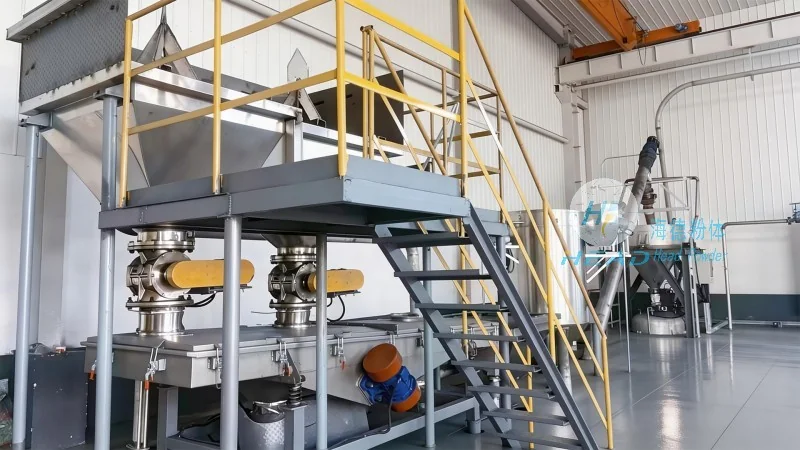
The coal and coke pneumatic conveying system typically comprises several key components that collaborate to ensure effective material transport. These components include a hopper or feeder to store and feed the material, a conveying pipeline to transport the material, a blower or air compressor to generate the necessary air pressure, and a control system to regulate the flow and pressure. Additionally, the system may incorporate a dust collector to manage airborne particles and ensure environmental compliance. Each component plays a critical role in the overall operation of the system, and their proper integration is vital for optimal performance.
Design Principles of Coal and Coke Pneumatic Conveying Systems
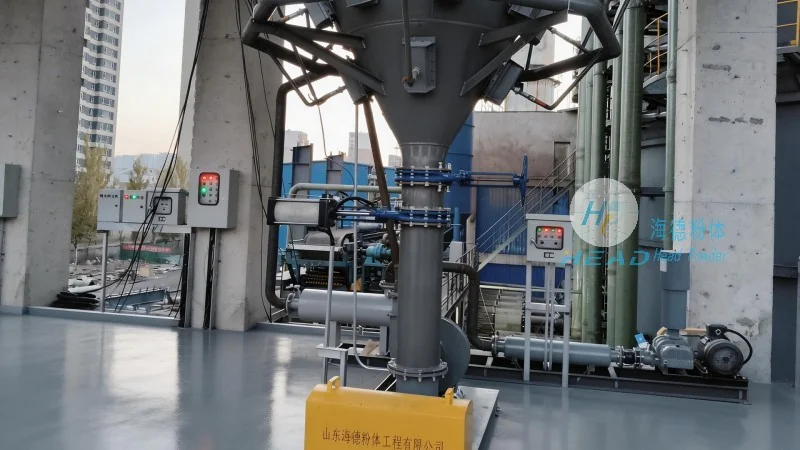
The design of a coal and coke pneumatic conveying system is grounded in several fundamental principles to ensure efficiency, reliability, and safety. The first principle involves the selection of the appropriate conveying medium, which is commonly air or a mixture of air and other gases. The choice of medium depends on the material properties being conveyed, such as particle size, density, and moisture content. For coal and coke, which are typically dry and possess a relatively high bulk density, air is frequently used as the conveying medium. The second principle is the determination of the conveying velocity, which is the speed at which the material is transported through the pipeline. The velocity must be sufficient to prevent material deposition or blockage but not excessive to cause excessive wear on system components. The third principle is the design of the pipeline system, which includes the selection of pipe diameter, material, and layout. The pipeline must be sized to handle the required flow rate and pressure, and the layout must minimize bends and changes in direction to reduce pressure losses and maintain material flow. The fourth principle is the consideration of material handling characteristics, such as the particle size distribution, moisture content, and abrasiveness. These factors influence the choice of equipment, such as the feeder and blower, and the overall system design to ensure that the material is conveyed without degradation or damage.
Applications and Benefits of Coal and Coke Pneumatic Conveying Systems
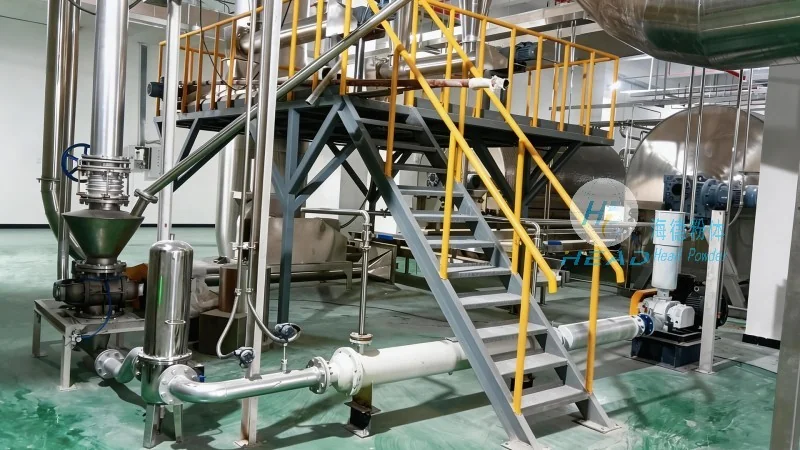
Coal and coke pneumatic conveying systems are widely utilized in various industries, including power generation, steel production, and chemical processing. In power plants, these systems are employed to transport coal from storage silos to boilers for combustion. In steel mills, they are used to convey coke from the coking plant to the blast furnace. In chemical plants, they are used to transport coal and coke as raw materials for various processes. The benefits of employing a coal and coke pneumatic conveying system include enhanced safety, as the material is transported in a closed system, reducing the risk of dust explosions and inhalation hazards. It also offers increased efficiency, as the system can transport large quantities of material over long distances with minimal labor and maintenance. Furthermore, the system provides better control over the material flow, allowing for precise regulation of the amount of material being conveyed. The closed system also helps to maintain the quality of the material, as it is protected from moisture and contamination.
Key Considerations for Implementing a Coal and Coke Pneumatic Conveying System
When implementing a coal and coke pneumatic conveying system, several key considerations must be addressed to ensure successful operation. The first consideration is the selection of the appropriate system type, which can be either a positive pressure system or a negative pressure system. A positive pressure system utilizes a blower to push the material through the pipeline, while a negative pressure system employs a vacuum to pull the material. The choice of system type depends on the distance to be covered, the material properties, and the available space. The second consideration is the sizing of the system components, including the blower, pipeline, and feeder. Proper sizing is crucial to ensure that the system can handle the required flow rate and pressure without excessive energy consumption or wear. The third consideration is the selection of the appropriate materials for the system components, such as the pipeline and blower, to withstand the abrasive nature of coal and coke. The fourth consideration is the integration of the system with existing infrastructure, such as storage silos and processing units, to ensure seamless operation. Finally, the system must be properly maintained and monitored to ensure optimal performance and longevity.

Conclusion: The Importance of Coal and Coke Pneumatic Conveying Systems
Coal and coke pneumatic conveying systems are a critical component of modern industrial operations, providing an efficient and reliable method for transporting bulk materials. The design and implementation of these systems require careful consideration of material properties, system components, and operational requirements. By understanding the core components, design principles, and applications of these systems, industrial facilities can optimize their material handling processes and improve overall efficiency. As the demand for coal and coke continues to grow, the importance of these systems will only increase, making them a vital part of the industrial landscape.