

What is a Mineral Particle Pneumatic Conveying System? And What Are Its Design Principles?
Mineral particle pneumatic conveying systems are essential industrial equipment used to transport bulk materials such as powders, granules, and fine particles through a pipeline using compressed air or other gas streams. These systems offer a flexible and efficient method for moving materials over short to medium distances, often replacing traditional mechanical conveying methods like belt conveyors or screw conveyors in various industries including mining, chemical processing, and food processing.
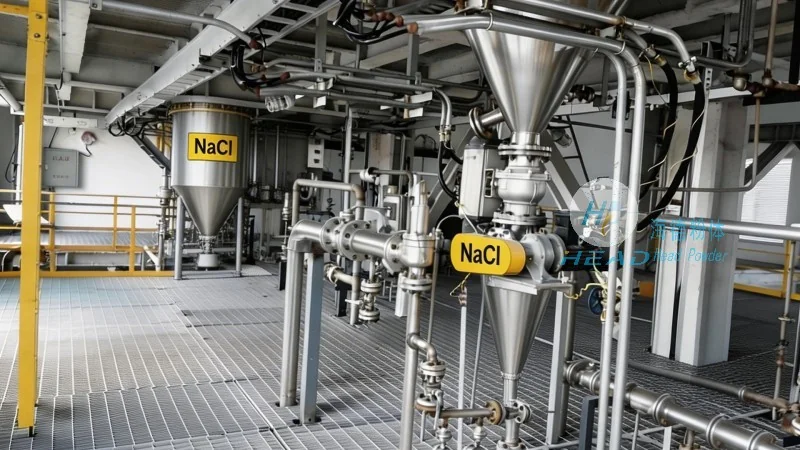
What is a Pneumatic Conveying System for Mineral Particles?
A pneumatic conveying system for mineral particles typically consists of a series of components that work together to transport material from a source to a destination. The core components include a material feed hopper, a conveying line (usually made of metal or plastic pipes), a blower or compressor to generate the air flow, and a discharge device at the receiving end. The system operates by feeding the mineral particles into the hopper, where they are then drawn into the conveying line by the moving air stream. This process allows for the continuous and controlled movement of the material without the need for physical contact, reducing wear and tear on equipment and minimizing the risk of contamination.
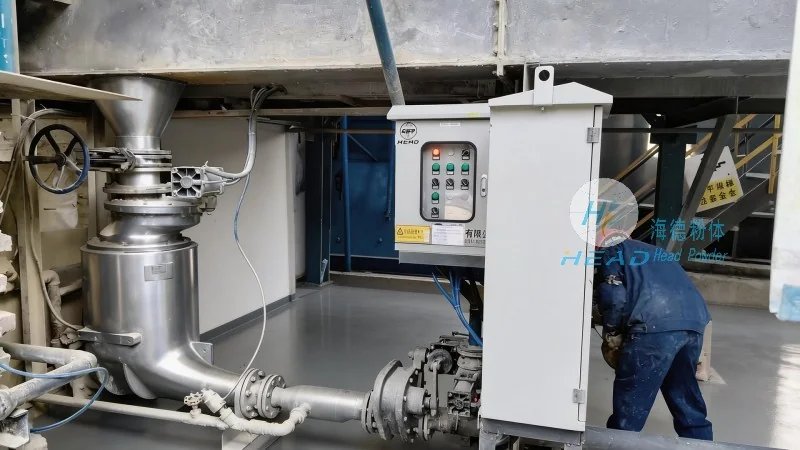
Key Design Principles of Mineral Particle Pneumatic Conveying Systems
The design of a mineral particle pneumatic conveying system involves several critical principles to ensure optimal performance, efficiency, and reliability. First, the system must be designed to handle the specific characteristics of the mineral particles, such as their size, density, moisture content, and flowability. This includes selecting appropriate hopper designs to prevent material bridging or caking, which can disrupt the conveying process. Second, the air velocity within the conveying line is a crucial factor; it must be high enough to lift and transport the particles but not so high as to cause excessive pressure drops or energy consumption. Engineers often use the "minimum conveying velocity" and "maximum conveying velocity" to determine the optimal air speed for a given material. Third, the system's pressure and flow rate must be carefully balanced to maintain consistent material flow and prevent blockages or air leakage. Additionally, the choice of pipe material and diameter is important, as it affects the system's capacity and resistance to corrosion or abrasion from the mineral particles. Proper sealing and maintenance of all components are also essential to ensure long-term operation and minimize downtime.
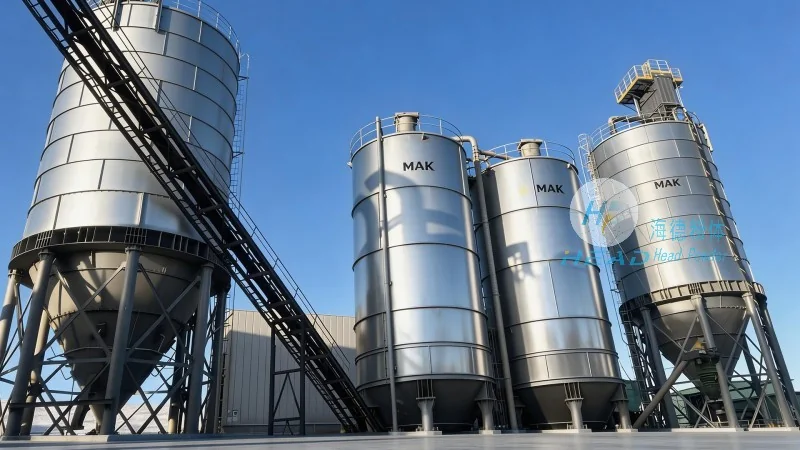
Company Profile: Shandong HeadPowder Engineering Co., Ltd.
Shandong HeadPowder Engineering Co., Ltd., commonly known as HeadPowder, is a professional manufacturer and supplier of pneumatic conveying systems and related industrial equipment. The company specializes in designing and manufacturing customized solutions for various mineral particle conveying applications, leveraging years of experience and technical expertise in the field. HeadPowder's products are engineered to meet the specific needs of clients, ensuring high efficiency, durability, and reliability in demanding industrial environments. The company's commitment to quality and customer satisfaction has made it a trusted partner in the industry.
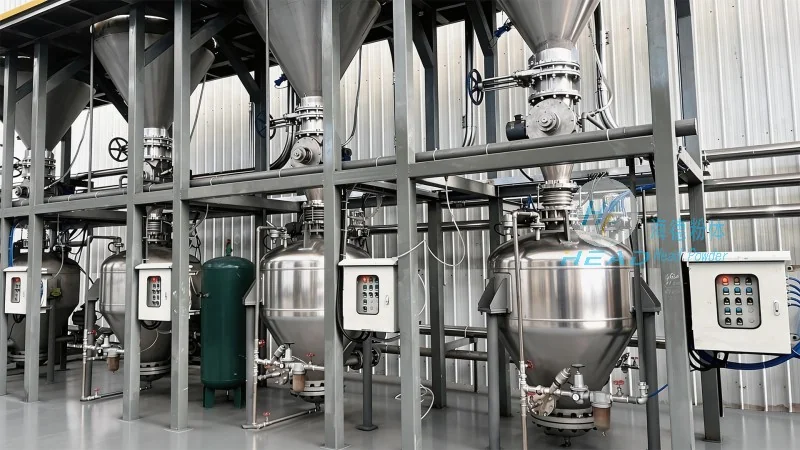
Location and Operational Focus
HeadPowder is headquartered in Shandong, China, where the company operates its manufacturing facilities and research and development centers. The location provides easy access to major transportation networks and raw material sources, enabling efficient production and delivery of its products. The company focuses on providing tailored pneumatic conveying solutions for mineral processing and other industries, with a strong emphasis on innovation and customer-centric design. By combining advanced technology with practical application, HeadPowder aims to deliver systems that enhance operational efficiency and reduce costs for its clients.