

What is a Biomass Pellet Pneumatic Conveying System? What are its Design Principles?
Biomass pellet pneumatic conveying systems represent a critical technology in the efficient handling and transportation of biomass materials, particularly in industrial applications such as biomass power generation, biofuel production, and material processing. These systems utilize air or gas as the conveying medium to transport biomass pellets from one location to another, offering advantages like reduced labor costs, minimized material degradation, and enhanced safety compared to traditional mechanical conveying methods. Understanding the core components and design principles of such systems is essential for optimizing performance and ensuring reliable operation in various industrial settings. HeadPowder, a leading provider of engineering solutions, specializes in designing and manufacturing high-quality biomass pellet pneumatic conveying systems tailored to meet the specific needs of industrial clients.
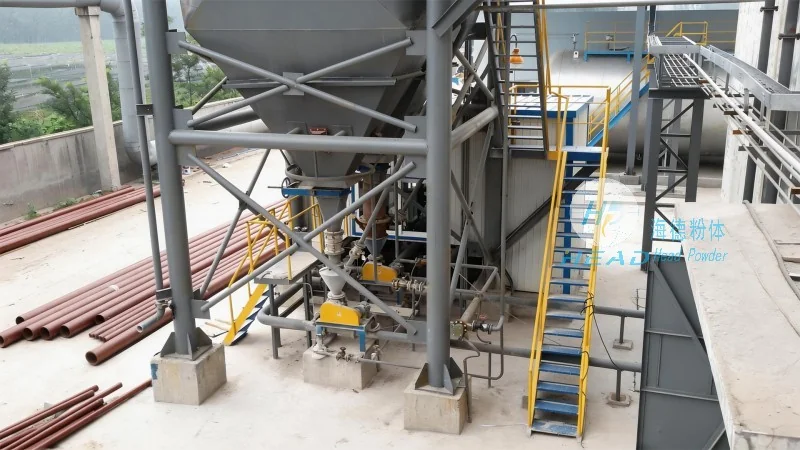
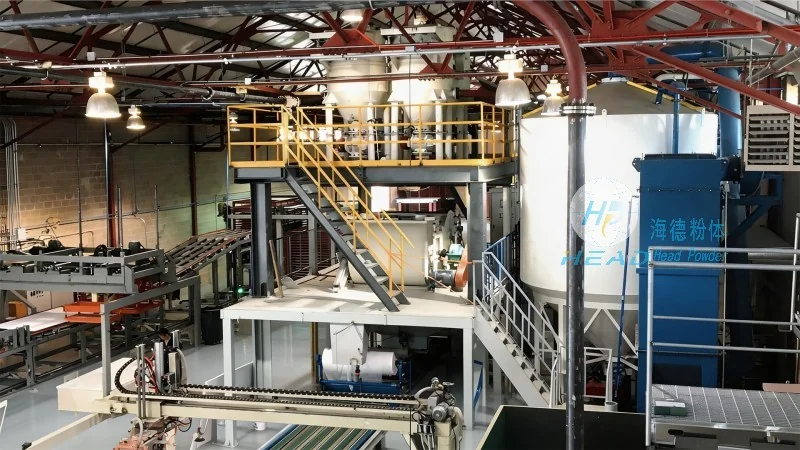
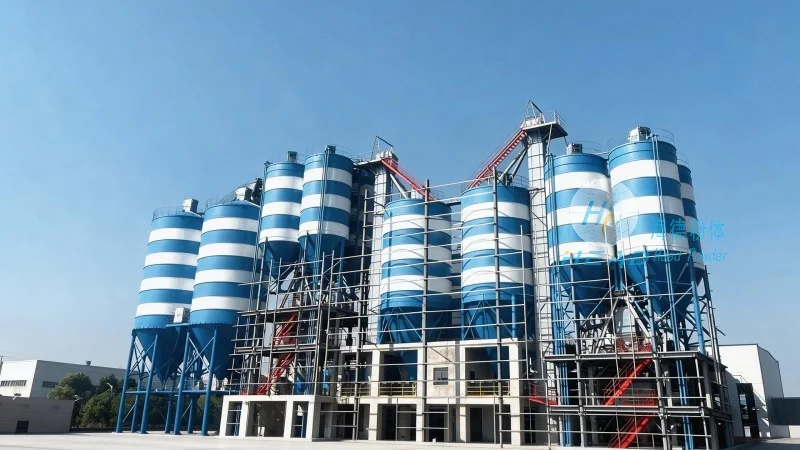
Key Components of a Biomass Pellet Pneumatic Conveying System
The functionality of a biomass pellet pneumatic conveying system relies on several interconnected components, each playing a vital role in the overall operation. The primary components typically include a material feeder, a conveying pipeline, a pressure or vacuum source, a control system, and a discharge device. The material feeder is responsible for feeding biomass pellets into the system at a controlled rate, ensuring consistent flow and preventing blockages. The conveying pipeline, often made of materials like stainless steel or PVC, transports the pellets through the system under pressure or vacuum. The pressure or vacuum source, such as a blower or vacuum pump, generates the necessary air flow to move the pellets. The control system monitors and regulates the system parameters, including pressure, flow rate, and material level, to maintain optimal operation. Finally, the discharge device, such as a rotary valve or gate valve, releases the biomass pellets at the destination point, ensuring smooth and controlled discharge. HeadPowder engineers carefully select materials and components to ensure durability and efficiency, considering factors like the abrasive nature of biomass pellets and the need for low maintenance.