

What is a Lithium-Ion Battery Positive Electrode Pneumatic Conveying System? What Are Its Design Pri
Understanding the lithium-ion battery positive electrode pneumatic conveying system is crucial for optimizing the manufacturing process in the battery industry. This system is designed to efficiently transport the positive electrode material, a critical component in lithium-ion batteries, from one processing stage to another. The system's effectiveness directly impacts the overall production efficiency and quality of the final battery product.
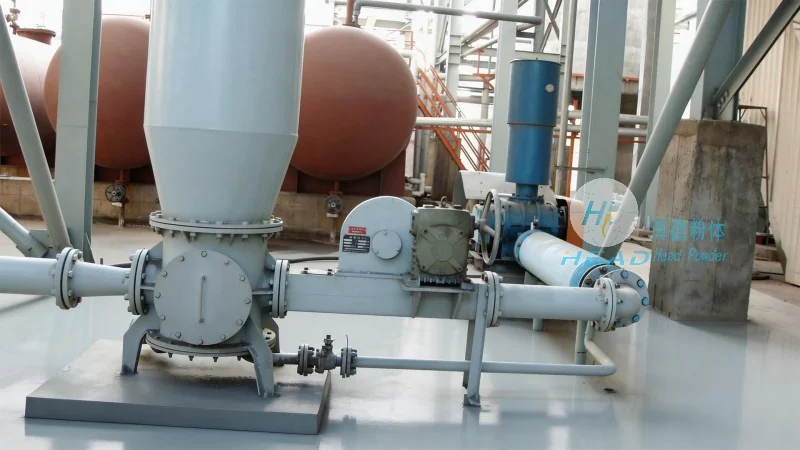
Introduction to the Lithium-Ion Battery Positive Electrode Pneumatic Conveying System
The lithium-ion battery positive electrode pneumatic conveying system is a specialized equipment used in the production line of lithium-ion batteries. It plays a vital role in the material handling process, particularly for transporting the positive electrode active material, which includes components like lithium cobalt oxide (LiCoO₂), lithium nickel manganese cobalt oxide (NMC), or lithium iron phosphate (LFP). These materials are often in powder form and require a reliable and clean conveying method to avoid contamination and ensure consistent quality.
Design Principles of the Pneumatic Conveying System
The design of a lithium-ion battery positive electrode pneumatic conveying system is based on several key principles to ensure efficient and safe material transport. First, the system utilizes air as the conveying medium, which can be either positive pressure (blowing air into the material stream) or negative pressure (sucking material into the air stream). The choice between these two modes depends on the material characteristics, such as particle size, density, and moisture content. For positive electrode powders, which are often fine and sensitive, a positive pressure system is commonly used to prevent material degradation and maintain particle integrity.
Second, the system incorporates components like feeders, conveying pipes, and separation devices. The feeder is responsible for uniformly feeding the powder material into the conveying line, ensuring a consistent flow rate. The conveying pipes are typically made of materials that are compatible with the powder and resistant to corrosion, such as stainless steel or special plastics. Separation devices, such as cyclones or filters, are used to separate the conveyed material from the air, preventing dust contamination and allowing the air to be recycled or filtered.
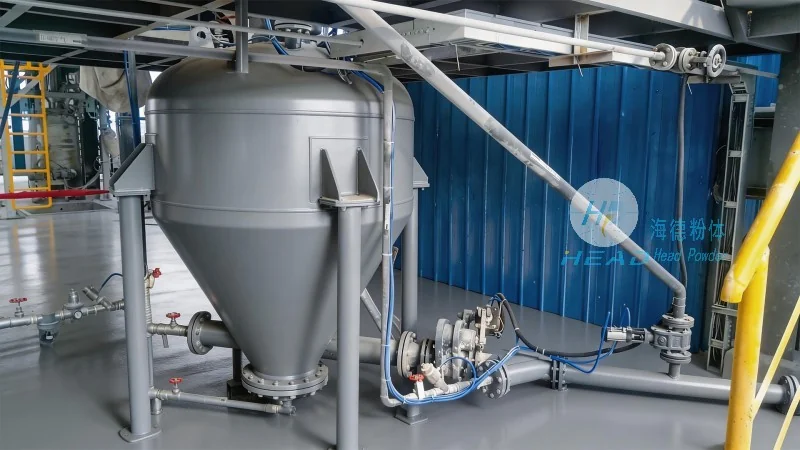
Key Components and Their Functions
Several key components make up the lithium-ion battery positive electrode pneumatic conveying system. The first is the material feeder, which can be a rotary valve, a screw feeder, or a vibratory feeder. These devices ensure that the powder is fed at a controlled rate, preventing blockages and maintaining a steady flow. The second is the air compressor or blower, which provides the necessary air pressure to move the material through the conveying pipes. The third is the conveying pipeline, which is usually a network of pipes connected to the feeder and the separation unit. The fourth is the separation equipment, such as a cyclone separator or a bag filter, which separates the powder from the air stream and collects the material for further processing.
Advantages of Using a Pneumatic Conveying System for Positive Electrode Materials
Implementing a pneumatic conveying system for lithium-ion battery positive electrode materials offers several advantages. First, it provides a clean and dust-free environment, which is essential for maintaining the purity of the active material. This helps to prevent contamination that could affect the battery's performance and lifespan. Second, the system offers high efficiency in material transport, reducing the time and labor required for material handling. Third, it allows for flexible and scalable production, as the system can be easily adjusted to handle different material types and production volumes. Fourth, the system is relatively compact and can be integrated into existing production lines without significant modifications.
Applications in Battery Manufacturing
The lithium-ion battery positive electrode pneumatic conveying system is widely used in various stages of battery production. For example, it can be used to transport the positive electrode material from the mixing and grinding stage to the coating or slurry preparation stage. It can also be used to move the material between different production lines or to store the material in bulk containers. In some cases, the system is used to transport the material from the raw material storage area to the production line, ensuring a continuous supply of materials.
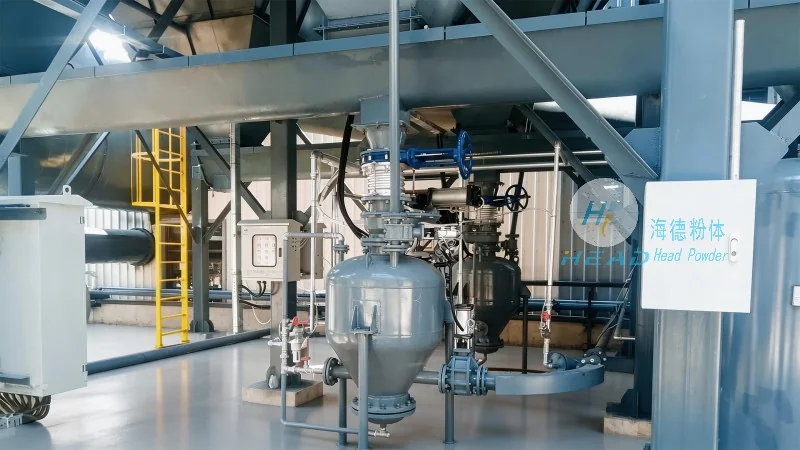
About Shandong HeadPowder Engineering Co., Ltd.
Shandong HeadPowder Engineering Co., Ltd., commonly known as HeadPowder, is a leading manufacturer of pneumatic conveying systems and related equipment for the battery industry. With years of experience in the field, HeadPowder specializes in designing and manufacturing high-quality systems that meet the specific needs of lithium-ion battery manufacturers. The company's products are known for their reliability, efficiency, and durability, and are widely used in various battery production facilities around the world.
HeadPowder's team of engineers and technicians work closely with clients to understand their production requirements and provide customized solutions. The company's facilities are equipped with advanced technology and quality control measures to ensure that every product meets the highest standards. HeadPowder is committed to providing excellent customer service and support, ensuring that clients can rely on their equipment for long-term production needs.
Conclusion
The lithium-ion battery positive electrode pneumatic conveying system is an essential component in the battery manufacturing process. Its design principles and components are carefully selected to ensure efficient and safe material transport, which is crucial for producing high-quality lithium-ion batteries. Companies like Shandong HeadPowder Engineering Co., Ltd. play a vital role in providing these systems to the industry, helping manufacturers to improve their production efficiency and product quality.