

What is a Coal Ash Pneumatic Conveying Equipment? And What Are Its Design Principles?
Coal ash, a byproduct of coal combustion in power plants and industrial facilities, requires efficient and reliable handling systems to ensure proper disposal and utilization. The coal ash pneumatic conveying equipment is a specialized solution designed to transport coal ash from its source to storage or processing facilities. This equipment operates on the principle of pneumatic conveying, utilizing air flow to move bulk materials through a pipeline system. Understanding the design principles behind such equipment is crucial for optimizing performance, ensuring safety, and meeting operational efficiency standards.
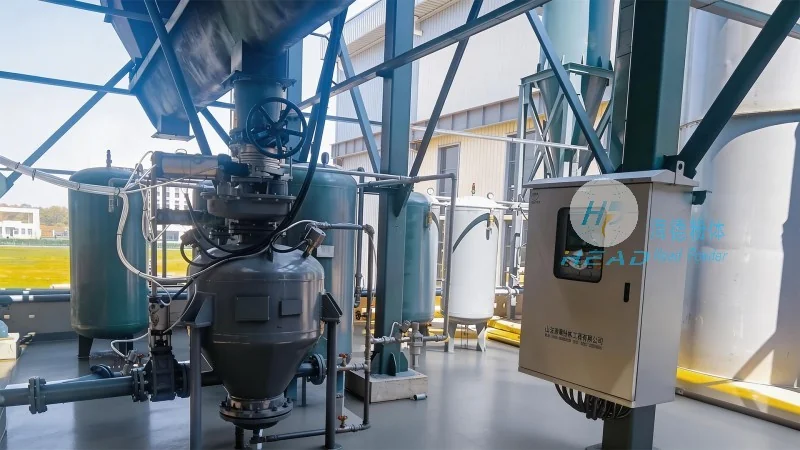
About Shandong HeadPowder Engineering Co., Ltd.
Shandong HeadPowder Engineering Co., Ltd., a leading manufacturer based in China, specializes in the design, development, and supply of advanced material handling solutions. With a strong commitment to innovation and quality, the company has established itself as a trusted partner in the industrial sector. HeadPowder's expertise lies in creating customized pneumatic conveying systems tailored to the specific needs of clients, including those dealing with coal ash and other bulk materials. The company's facilities are located in Shandong, China, where it leverages local resources and expertise to deliver high-performance equipment that meets international standards.
Working Principle of Coal Ash Pneumatic Conveying Equipment
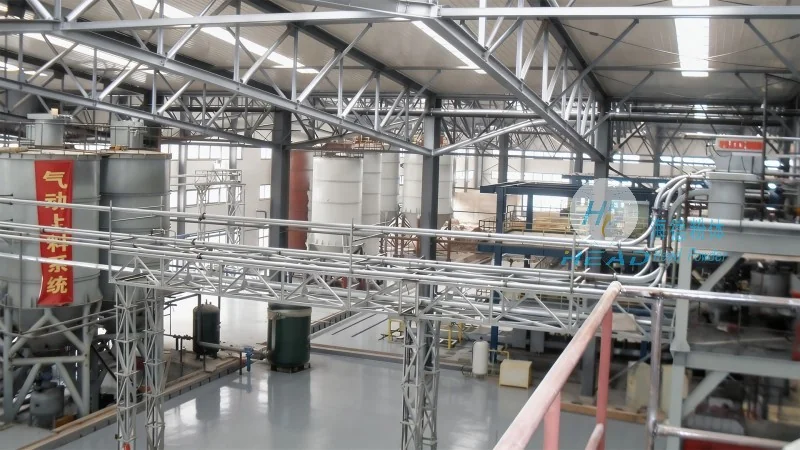
The core of the coal ash pneumatic conveying system is the use of air to transport solid particles. The process typically involves a source of air, such as a blower or fan, which generates the necessary pressure to move the coal ash through a pipeline. The equipment consists of several key components, including a hopper for material storage, a feeder to control the flow rate, a pipeline network, and a receiver for the discharged material. The design of the system must consider factors like the particle size, density, and moisture content of the coal ash, as these properties directly impact the conveying efficiency and system performance. For example, finer particles may require higher air velocities to prevent blockages, while larger particles might need additional air volume to ensure smooth transport.
Design Principles and Considerations
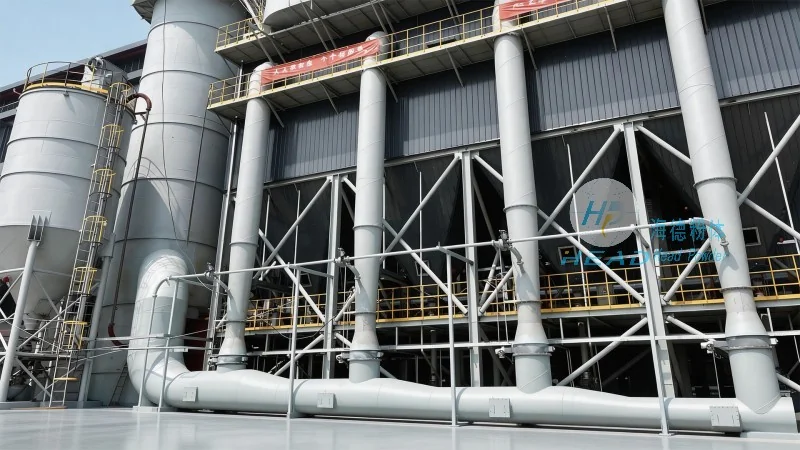
The design of a coal ash pneumatic conveying equipment follows several critical principles to ensure optimal operation. First, the system must be designed to handle the specific characteristics of coal ash, including its particle size distribution, bulk density, and abrasiveness. Abrasive materials can cause wear and tear on the equipment components, so materials like stainless steel or high-grade alloys are often used for the pipeline and fittings. Second, the system must maintain consistent air pressure and flow rates to prevent clogging and ensure reliable transport. This is achieved through the use of properly sized blower systems and control valves that regulate the air supply. Third, the design must incorporate safety features to protect operators and the environment. For instance, the system may include dust collection and filtration units to minimize emissions and comply with environmental regulations. Additionally, the equipment should be designed for easy maintenance and cleaning, as coal ash can be sticky and difficult to remove from surfaces.
Applications and Benefits of Coal Ash Pneumatic Conveying Equipment
Coal ash pneumatic conveying equipment is widely used in power plants, cement factories, and other industrial facilities where coal ash needs to be transported over long distances or to different locations within the facility. The primary benefits of using such equipment include increased efficiency, reduced labor costs, and improved safety. Unlike traditional methods like belt conveyors or bucket elevators, pneumatic conveying systems can handle materials with high moisture content and abrasive properties without causing damage to the equipment. This makes them ideal for handling coal ash, which can be challenging to transport using other methods. Furthermore, the compact design of pneumatic conveying systems allows for installation in areas with limited space, making them suitable for retrofitting existing facilities. The ability to transport materials in a closed system also helps to minimize dust emissions and improve air quality, which is crucial for compliance with environmental regulations.
Conclusion
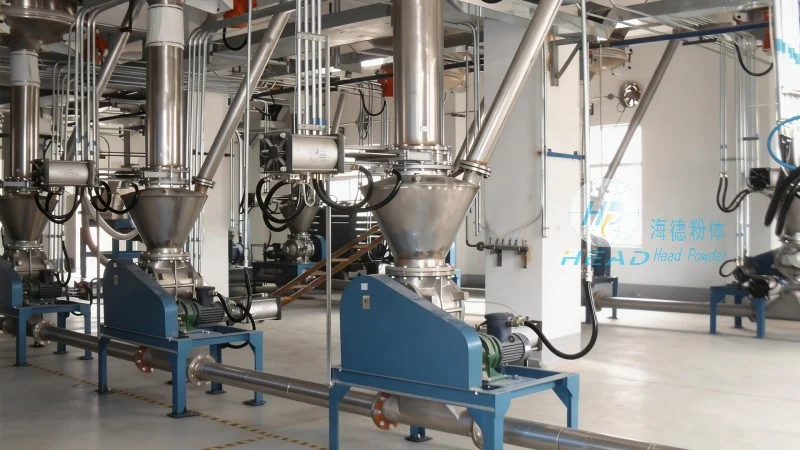
Coal ash pneumatic conveying equipment is a vital component in the efficient handling of coal ash from power plants and industrial facilities. The design principles behind such equipment, including the use of air flow, proper component selection, and safety considerations, ensure that the system operates reliably and efficiently. Shandong HeadPowder Engineering Co., Ltd. offers high-quality, customized solutions that meet the specific needs of clients, leveraging its expertise in material handling technology. By understanding the design principles and benefits of coal ash pneumatic conveying equipment, industrial facilities can improve their operational efficiency, reduce costs, and ensure compliance with environmental regulations. The continued development of advanced pneumatic conveying systems will further enhance the handling of coal ash and other bulk materials, contributing to a more sustainable and efficient industrial sector.