

What is a Sand Pneumatic Conveying Equipment? And What Are Its Design Principles?
For foundries and casting operations, efficient and reliable material handling is crucial to maintaining production efficiency and quality. Among the various technologies available, sand pneumatic conveying equipment has emerged as a key solution for transporting sand, a fundamental material in the casting process. This article explores what a sand pneumatic conveying system is and delves into its core design principles, highlighting the technology's importance and practical applications.
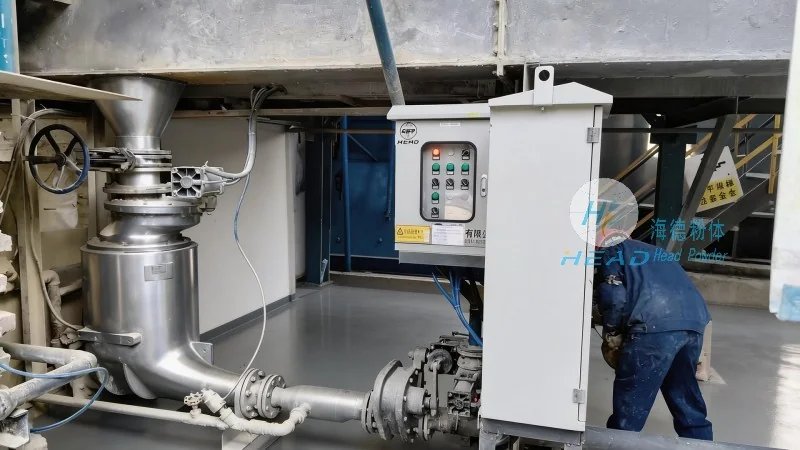
Understanding Sand Pneumatic Conveying Equipment
Sand pneumatic conveying equipment is a specialized system designed to transport sand and other granular materials through a pipeline using compressed air. Unlike traditional mechanical conveyors, this system relies on the force of air to move materials, making it particularly suitable for handling abrasive or dusty materials like sand, which can be challenging for mechanical systems. The equipment typically consists of a hopper, a blower or compressor, a pipeline network, and a receiver or discharge point. The hopper holds the sand, and the blower generates the necessary air pressure to push the sand through the pipeline to the desired location. This method offers several advantages, including the ability to transport materials over long distances, vertical and horizontal movement capabilities, and reduced wear on equipment compared to mechanical conveyors.
The Role of Shandong HeadPowder Engineering Co., Ltd.
At the forefront of providing advanced material handling solutions, Shandong HeadPowder Engineering Co., Ltd. specializes in the design, manufacturing, and installation of sand pneumatic conveying equipment. With years of experience in the industry, the company has developed a reputation for delivering high-quality, reliable systems tailored to the specific needs of foundries and casting facilities. HeadPowder's expertise lies in understanding the unique challenges of sand handling, such as material abrasiveness, dust generation, and the need for consistent flow rates. By leveraging cutting-edge technology and engineering knowledge, the company ensures that its equipment meets the highest standards of performance and durability.
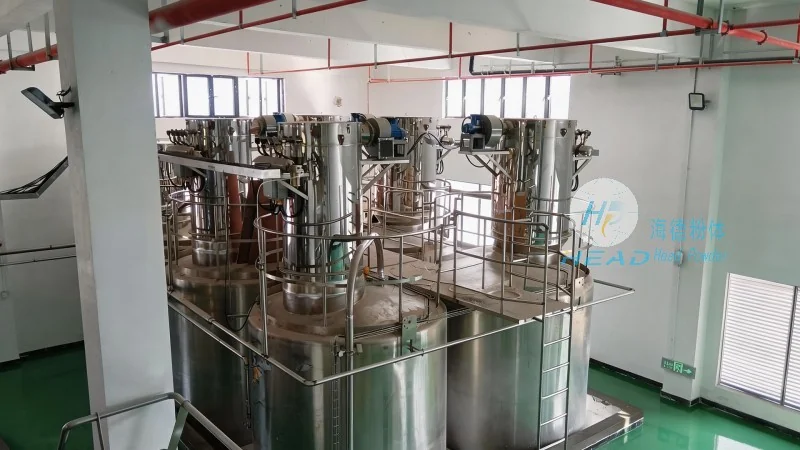
Key Design Principles of Sand Pneumatic Conveying Systems
The effectiveness of a sand pneumatic conveying system is determined by several critical design principles that optimize material transport efficiency and system longevity. One of the primary principles is the selection of the appropriate air velocity and pressure. The air velocity must be high enough to entrain the sand particles but not so high as to cause excessive wear on the pipeline or components. The pressure generated by the blower or compressor is another critical factor, as it directly impacts the system's ability to move materials over distance and through vertical lifts. Engineers must carefully calculate the required air volume and pressure based on the material's properties, such as particle size, density, and moisture content, as well as the system's layout and distance requirements.
Another essential design principle is the proper sizing of the pipeline and components. The diameter of the pipeline is crucial, as it must be large enough to accommodate the sand flow without causing excessive pressure drop or particle separation. The use of smooth, corrosion-resistant materials for the pipeline, such as stainless steel or special coatings, is vital to prevent wear and ensure long-term performance. Additionally, the system's components, including the hopper, blower, and receiver, must be designed to handle the abrasive nature of sand. For example, the hopper may feature a conical or wedge-shaped design to facilitate smooth material flow and prevent clogging, while the blower is equipped with wear-resistant parts to withstand the constant impact of sand particles.
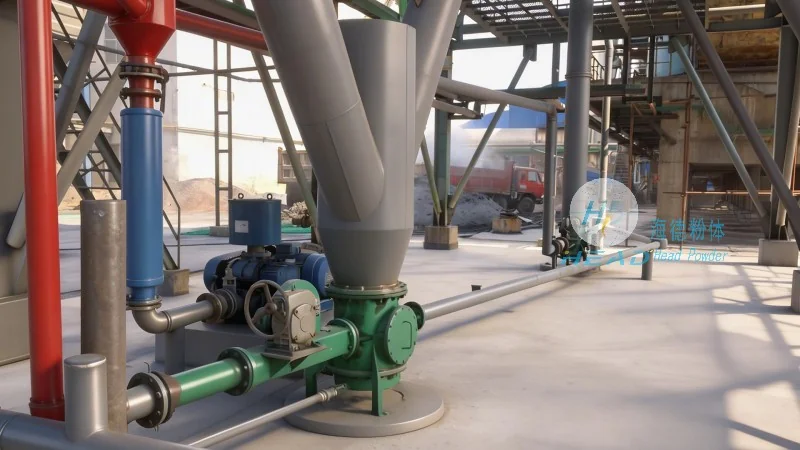
Advantages and Applications of Sand Pneumatic Conveying Equipment
Sand pneumatic conveying equipment offers numerous advantages over traditional mechanical systems, making it an ideal choice for modern foundries. The primary benefits include reduced labor costs, as the system automates the material handling process, minimizing the need for manual labor. It also improves safety by eliminating the need for workers to handle heavy or dusty materials manually. Additionally, the system provides greater flexibility in terms of layout and distance, allowing foundries to reconfigure their operations without major infrastructure changes. The equipment is widely used in various casting processes, including sand molding, core making, and sand reclamation, where efficient sand transport is essential to maintaining production continuity.
Conclusion
In summary, sand pneumatic conveying equipment is a vital technology for foundries seeking to enhance their material handling capabilities. By understanding the design principles and leveraging the expertise of companies like Shandong HeadPowder Engineering Co., Ltd., foundries can implement efficient and reliable systems that improve productivity, reduce costs, and ensure consistent quality in their casting operations. As the demand for advanced material handling solutions continues to grow, the importance of well-designed sand pneumatic conveying systems will only increase, making them an essential component of modern foundry operations.