

What is Sodium Stearate Pneumatic Conveying Equipment? And What Are Its Design Principles?
Sodium stearate, a widely used surfactant and emulsifier, plays a vital role in industries such as detergents, cosmetics, and food production. The efficient and safe handling of this material is essential for industrial processes, and pneumatic conveying equipment has become a reliable solution for transporting sodium stearate. This article delves into the concept of sodium stearate pneumatic conveying equipment, its operational principles, and the design considerations that ensure optimal performance in material transport.
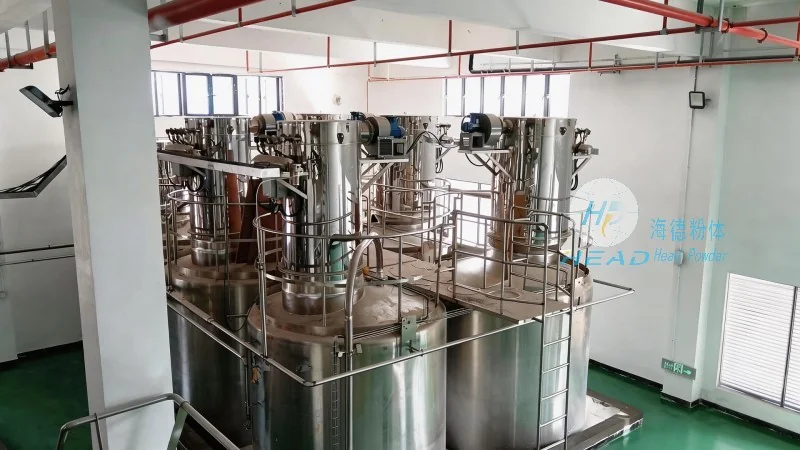
About HeadPowder: A Leading Provider of Pneumatic Conveying Solutions
HeadPowder, a prominent company in material handling technology, specializes in designing and manufacturing advanced pneumatic conveying systems. With a strong commitment to quality and innovation, HeadPowder has established itself as a trusted partner for industries requiring efficient and reliable material transport solutions. The company’s headquarters is located in Shandong, China, where it leverages its expertise to develop customized solutions tailored to the specific needs of its clients.
Understanding Pneumatic Conveying Technology
Pneumatic conveying, or air conveying, is a method of transporting bulk materials through a pipeline using a stream of air. This technology offers advantages over traditional mechanical systems, including reduced equipment wear, lower maintenance costs, and the ability to handle diverse materials like powders and granules. The core of a pneumatic conveying system includes a material feed hopper, a conveying line, a dust collector, and a discharge outlet. The material is introduced into the system and carried by the air flow to the destination point.
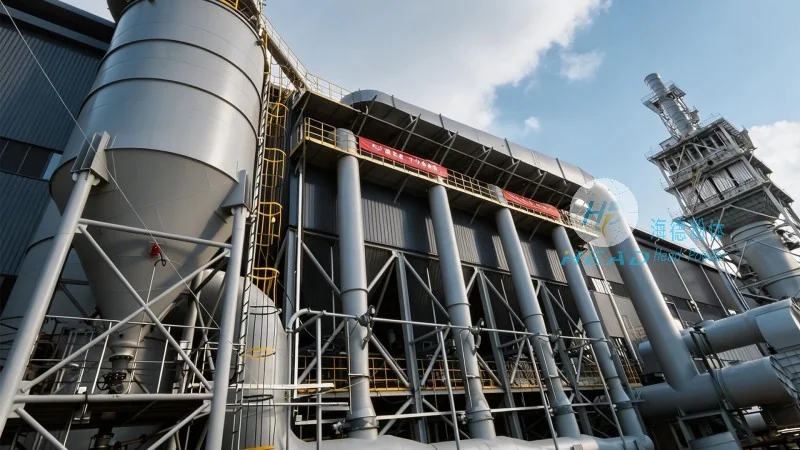
Design Principles of Sodium Stearate Pneumatic Conveying Equipment
The design of sodium stearate pneumatic conveying equipment involves critical factors to ensure safe and efficient operation. First, the material properties of sodium stearate—such as particle size, density, and flowability—must be considered. These characteristics influence the selection of conveying velocity, pressure, and system configuration. For instance, fine powders like sodium stearate may require higher air velocities to prevent clogging and ensure smooth transport. Additionally, the equipment must be designed to handle potential dust generation and ensure proper filtration to maintain air quality and comply with environmental regulations.
Key Components and Their Functions
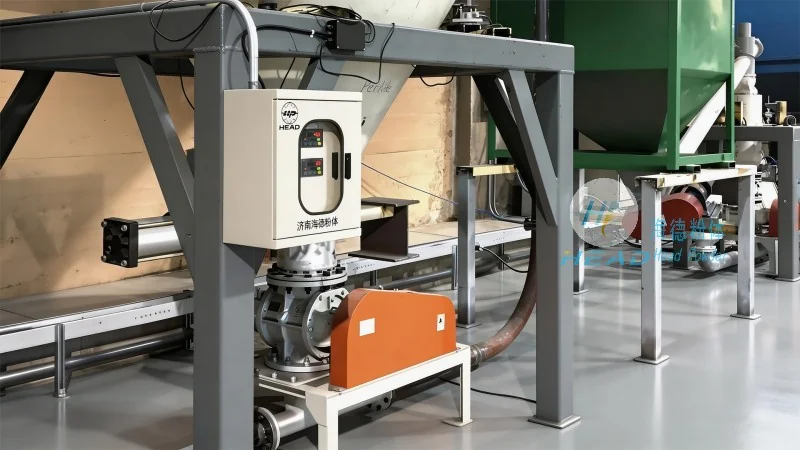
Several key components make up a sodium stearate pneumatic conveying system. The material feed hopper stores and feeds sodium stearate into the conveying line, typically equipped with a feeder like a rotary valve or screw feeder to control flow rate. The conveying line, often made of stainless steel or corrosion-resistant materials, transports the material and air mixture. Line diameter and length are critical parameters affecting system performance. A dust collector is integrated to capture airborne particles, ensuring clean exhaust air and compliance with environmental standards. The discharge outlet releases material at the desired location, often with a silencer to minimize noise.
Advantages of Using Pneumatic Conveying for Sodium Stearate
Implementing pneumatic conveying for sodium stearate offers numerous benefits. One key advantage is the closed system, which prevents contamination and dust exposure—critical for sodium stearate used in applications requiring high purity. The system can be easily integrated into existing production lines, reducing the need for extensive modifications. Pneumatic conveying also provides flexibility in material handling, allowing vertical, horizontal, or inclined transport based on facility layout. Low maintenance and energy efficiency further contribute to long-term cost savings for industrial operations.
Applications and Industries
Sodium stearate pneumatic conveying equipment is widely used across various industries. In the chemical industry, it transports raw materials and finished products in detergent and surfactant production. The food industry uses it for handling ingredients in food processing plants, ensuring hygienic and safe material handling. The pharmaceutical industry benefits from this technology for transporting active ingredients and excipients. The cosmetics industry also relies on pneumatic conveying for personal care product production, where material purity and quality are paramount.
Conclusion
Sodium stearate pneumatic conveying equipment is a sophisticated and efficient solution for handling this critical material in diverse industrial applications. The design principles and components of such systems are carefully engineered to ensure optimal performance, safety, and reliability. With the expertise of companies like HeadPowder, industries can leverage this technology to enhance their production processes and maintain high standards of quality and safety. As the demand for efficient material handling solutions grows, pneumatic conveying remains a preferred choice for transporting sodium stearate and similar materials.