

What is Synthetic Rubber Pneumatic Conveying Equipment? And What Are Its Design Principles?
Synthetic rubber pneumatic conveying equipment is a specialized system designed to transport synthetic rubber materials through an air-based conveying process. This technology is widely used in various industrial applications where the efficient and safe handling of rubber granules, powders, or other rubber-based products is essential. The equipment operates by using compressed air to move the material from a source to a destination, often through a pipeline system. Understanding the components and design principles of such equipment is crucial for optimizing material handling processes in manufacturing and processing industries.
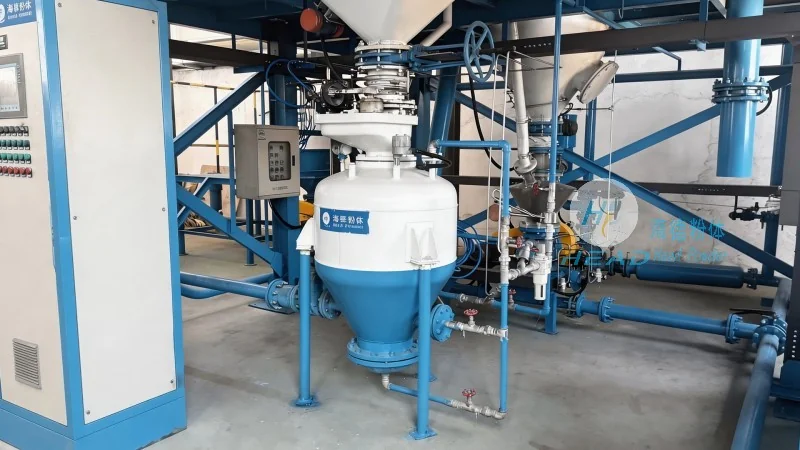
Key Components of Synthetic Rubber Pneumatic Conveying Systems
The synthetic rubber pneumatic conveying system typically consists of several core components that work in tandem to ensure effective material transport. These components include the material hopper or feeder, which holds the synthetic rubber and controls the flow rate; the air compressor or blower, which generates the necessary air pressure to move the material; the conveying line or pipeline, which transports the rubber particles; and the receiver or discharge hopper, where the material is deposited. Additionally, the system may incorporate accessories like filters, cyclones, and pressure regulators to maintain system efficiency and prevent material degradation. Each component plays a vital role in the overall operation, and their proper design and integration are critical to the system's performance.
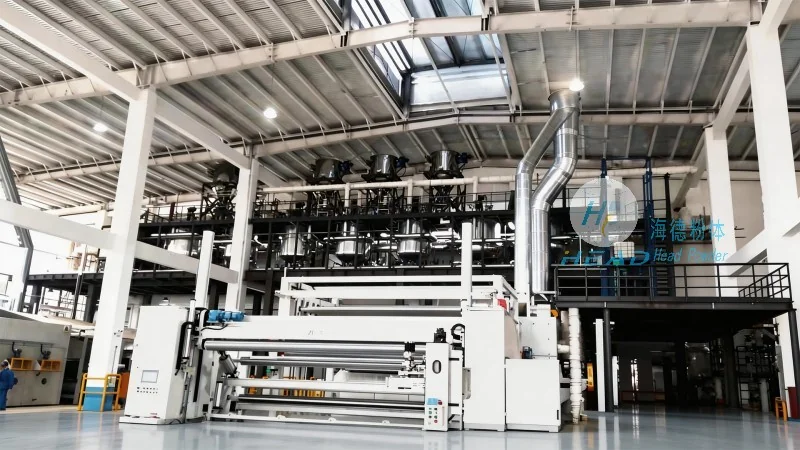
Design Principles for Synthetic Rubber Pneumatic Conveying Equipment
The design of synthetic rubber pneumatic conveying equipment follows specific principles to ensure optimal performance, reliability, and safety. One of the primary design considerations is the material's physical properties, such as particle size, density, and moisture content, as these factors influence the air velocity and pressure required for effective conveying. The system must be designed to handle the specific characteristics of synthetic rubber, which may vary depending on the type of rubber (e.g., natural vs. synthetic, different polymer grades). Another key principle is the selection of appropriate air flow rates and pressure levels. Excessive air velocity can cause material degradation or equipment wear, while insufficient velocity may lead to blockages or poor transport efficiency. Engineers must balance these factors to achieve the best results. Furthermore, the design must account for the potential for material buildup or blockages in the pipeline, incorporating features like self-cleaning mechanisms or automatic shut-off valves to prevent system failures. The system's layout and configuration also play a role, with considerations for space constraints, material flow direction, and integration with existing production lines.
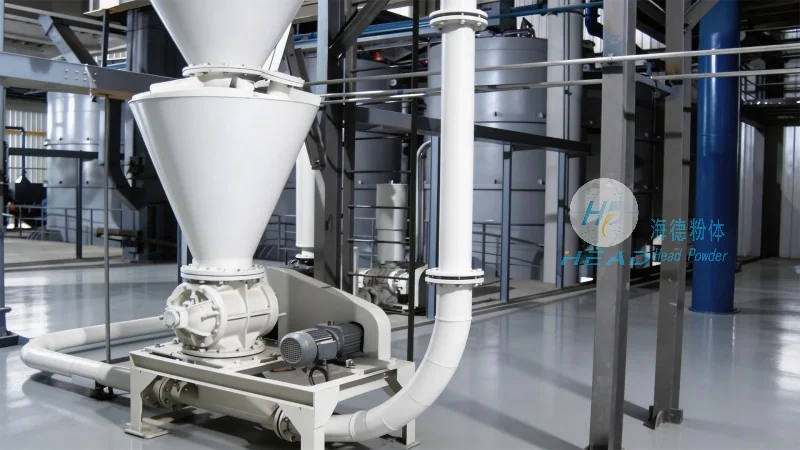
Applications and Benefits of Synthetic Rubber Pneumatic Conveying
Synthetic rubber pneumatic conveying equipment is utilized in a variety of applications across different industries. In the rubber manufacturing sector, it is commonly used to transport raw rubber materials from storage to processing equipment, such as mixers or extruders. This allows for a continuous and automated material flow, reducing manual handling and improving operational efficiency. The equipment is also employed in recycling facilities, where it helps in the transport of recycled rubber particles from collection points to processing units. Additionally, it is used in the production of rubber products like tires, seals, and gaskets, where precise material handling is critical to product quality. The benefits of using pneumatic conveying systems for synthetic rubber include improved safety, as the material is transported without direct human contact, reduced material loss or contamination, and enhanced process control. The system can also be integrated with other automation technologies, such as sensors and control systems, to monitor and adjust the conveying process in real-time, further optimizing performance.
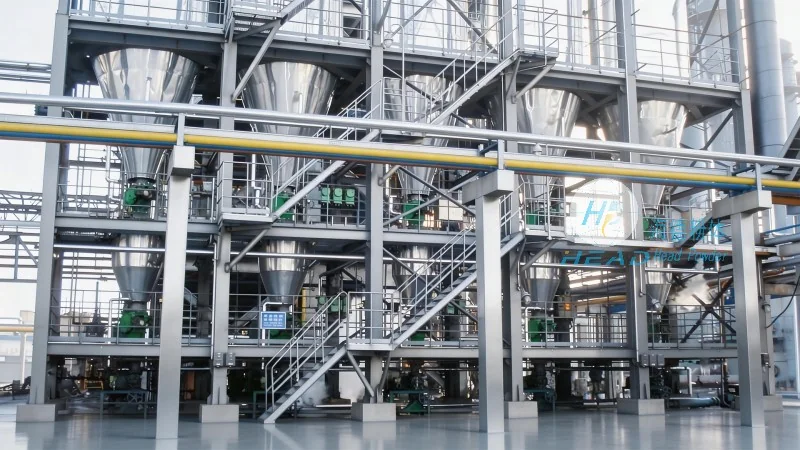
Company Information: Shandong HeadPowder Engineering Co., Ltd.
HeadPowder, the company behind the development and manufacturing of synthetic rubber pneumatic conveying equipment, is a leading provider in the field. With its headquarters located in Shandong, China, the company specializes in engineering solutions for material handling and processing. HeadPowder's expertise lies in designing customized pneumatic conveying systems tailored to the specific needs of clients, ensuring that the equipment meets the requirements of various industrial applications. The company's commitment to quality and innovation has made it a trusted partner for businesses seeking reliable and efficient material handling solutions. By leveraging advanced engineering techniques and materials, HeadPowder ensures that its products are durable, efficient, and capable of handling the unique challenges associated with synthetic rubber transportation.