

What is a Multi-Point Feeding Pneumatic Conveying System? And What Are Its Design Principles?
Multi-point feeding pneumatic conveying systems represent a sophisticated approach to material handling, designed to efficiently transport bulk materials from multiple source points to a central processing or storage location. This technology is particularly valuable in industries where precise control over material flow, dust containment, and system flexibility is critical. The system operates by using a combination of air pressure and vacuum to move materials through a network of pipes, ensuring a clean and efficient transfer process.
Key Components of a Multi-Point Feeding System
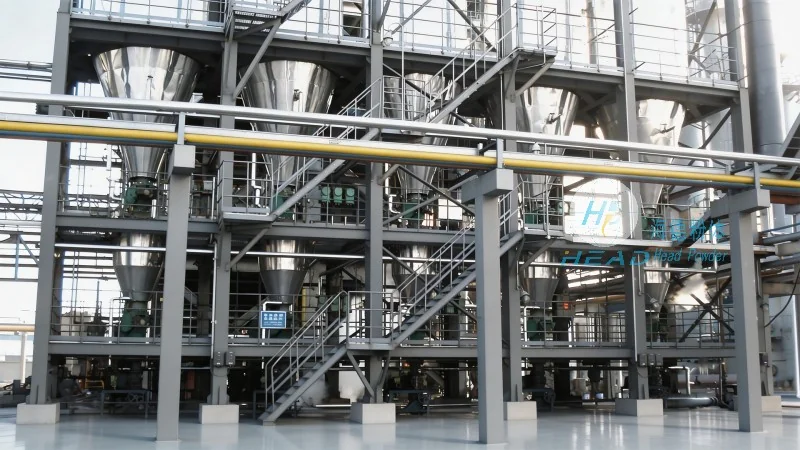
The core components of a multi-point feeding pneumatic conveying system include the feeding units, the conveying pipeline network, the control system, and the receiving hopper. Each component plays a crucial role in the overall functionality of the system. The feeding units are strategically placed at various source points, such as silos, hoppers, or production lines, and are responsible for introducing the material into the system. The conveying pipeline network consists of a series of pipes that connect the feeding units to the central receiving point, with appropriate valves and regulators to control the flow of air and material. The control system manages the operation of the feeding units and the pipeline network, ensuring that the material is conveyed at the desired rate and under the correct pressure conditions. The receiving hopper collects the material from the pipeline and provides a buffer for downstream processing.
Design Principles and Operational Mechanics
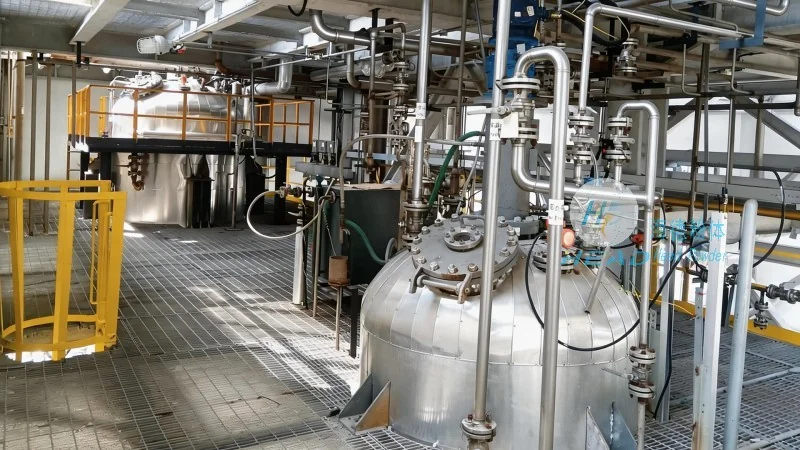
The design principles of a multi-point feeding system are centered on achieving optimal material flow, minimizing pressure losses, and ensuring system reliability. The system typically operates under either positive pressure (pressure conveying) or negative pressure (vacuum conveying), depending on the specific application and material characteristics. In positive pressure systems, air is blown into the pipeline, creating a pressure higher than the ambient air, which forces the material to move through the system. In negative pressure systems, air is drawn out of the pipeline, creating a vacuum that pulls the material through. The choice between these two modes depends on factors such as the material's density, moisture content, and the distance to be conveyed. The system also incorporates features like air locks and cyclones to separate the material from the air stream, ensuring that the material is delivered in a dry and clean state. Additionally, the design considers the need for proper sealing and maintenance to prevent leaks and ensure long-term performance.
Advantages of Multi-Point Feeding Pneumatic Conveying
Multi-point feeding systems offer several advantages over traditional material handling methods. One of the primary benefits is the ability to handle multiple sources simultaneously, which increases operational efficiency and reduces downtime. The system also provides a clean and dust-free environment, as the material is contained within the pipeline, preventing contamination and exposure to the air. This is particularly important for materials that are sensitive to moisture or air, such as pharmaceuticals, food products, or chemicals. Another advantage is the flexibility of the system, which allows for easy expansion or modification as production needs change. The system can be easily integrated with existing production lines, and the feeding units can be added or removed as required. Furthermore, the multi-point feeding system reduces the need for manual handling, improving safety and reducing labor costs.
Application Examples and Industry Use Cases
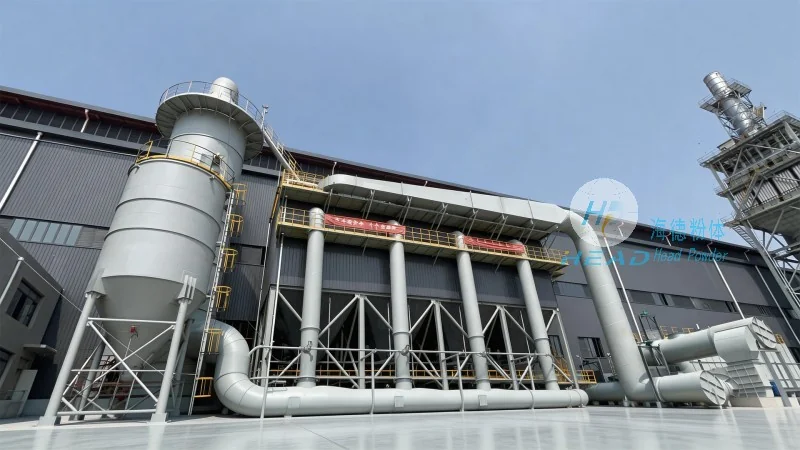
Multi-point feeding pneumatic conveying systems are widely used in various industries, including food and beverage, pharmaceuticals, chemicals, and minerals processing. In the food industry, the system is used to transport ingredients such as flour, sugar, and spices from multiple silos to a central mixing or processing unit. In the pharmaceutical industry, the system is used to handle sensitive materials like powders and granules, ensuring that they are transferred in a sterile and controlled environment. In the chemical industry, the system is used to transport raw materials and intermediates, often in large quantities, with minimal risk of contamination. The system is also used in minerals processing to transport ores and concentrates from multiple sources to a central processing plant. These applications demonstrate the versatility and effectiveness of the multi-point feeding system in handling a wide range of materials and meeting the specific requirements of different industries.
Conclusion and Company Overview
Multi-point feeding pneumatic conveying systems are a reliable and efficient solution for material handling in various industrial applications. The design principles and operational mechanics of these systems ensure that materials are transferred safely, cleanly, and at the desired rate. The system's flexibility and adaptability make it an ideal choice for industries that require precise control over material flow and processing. As a leading manufacturer in the field, Shandong HeadPowder Engineering Co., Ltd. specializes in the design, manufacturing, and installation of multi-point feeding pneumatic conveying systems. With years of experience and a commitment to quality, the company provides customized solutions to meet the specific needs of its clients. HeadPowder's systems are known for their durability, efficiency, and ease of maintenance, making them a trusted choice for industries worldwide. Whether for new installations or system upgrades, HeadPowder offers comprehensive support and expertise to ensure the successful implementation and operation of multi-point feeding pneumatic conveying systems.