

Ferrous Sulfate Pneumatic Conveying System Equipment: What It Is and Its Design Principles
Understanding the ferrous sulfate pneumatic conveying system equipment and its design principles is crucial for industries dealing with bulk material handling. This equipment is specifically engineered to transport ferrous sulfate, a common chemical used in water treatment and other industrial processes, efficiently and safely. The system combines pneumatic conveying technology with specialized equipment to ensure reliable material transport over varying distances and conditions.
What is a Ferrous Sulfate Pneumatic Conveying System?
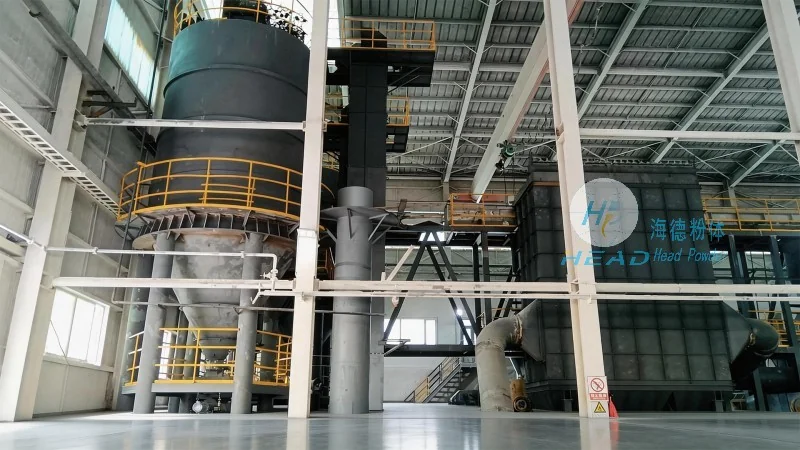
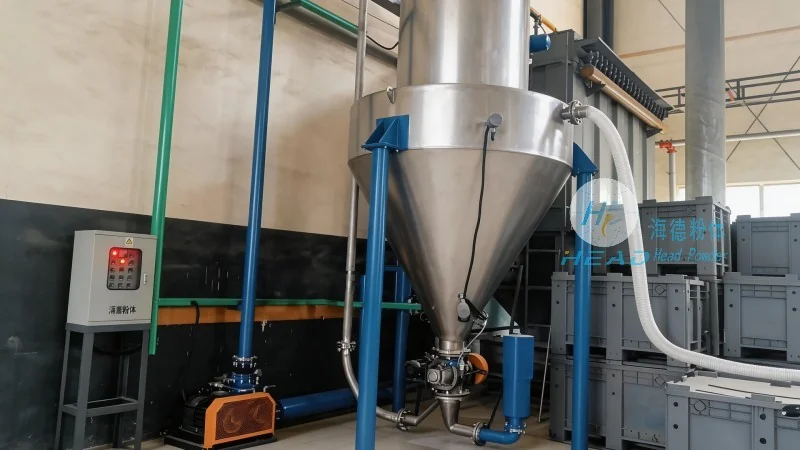
A ferrous sulfate pneumatic conveying system is a specialized industrial setup designed to move ferrous sulfate powder or granules from one location to another using compressed air or other gas as the conveying medium. Unlike traditional mechanical conveyors, this system relies on the force of air to transport the material through a pipeline network. The equipment typically includes a hopper for material storage, a feeder to control the flow rate, a venturi or other air injection device to create the conveying airflow, and a receiver or discharge point where the material is deposited. The system is designed to handle the unique properties of ferrous sulfate, such as its density, flowability, and potential for dust generation, ensuring efficient and safe transport.
Key Components of the Ferrous Sulfate Pneumatic Conveying System
The ferrous sulfate pneumatic conveying system consists of several critical components that work together to achieve effective material transport. The primary components include:
- Material Hopper: A storage vessel that holds the ferrous sulfate, providing a consistent feed to the system. The hopper is designed to prevent material degradation and ensure uniform feeding.
- Feeder: A device that controls the flow rate of ferrous sulfate from the hopper into the conveying line. Common types include rotary valves, screw feeders, or vibratory feeders, which are selected based on the material's characteristics and the required flow rate.
- Air Supply System: This includes a compressor, air dryer, and filters to provide clean, dry compressed air or other gas at the required pressure and flow rate. The air supply system is essential for creating the necessary airflow to transport the material.
- Venturi or Air Injection Device: This component is where the material is introduced into the air stream. The venturi, a constricted section of the pipeline, creates a low-pressure zone that draws the ferrous sulfate into the airflow, ensuring efficient mixing and transport.
- Conveying Pipeline: The pipeline network that transports the ferrous sulfate and air mixture from the feeder to the discharge point. The pipeline is typically made of materials resistant to corrosion and abrasion, such as stainless steel or plastic, to withstand the chemical properties of ferrous sulfate and the abrasive nature of the material.
- Receiver or Discharge Point: The final component where the ferrous sulfate is deposited. This may be a storage silo, a processing unit, or another location within the facility. The receiver is designed to separate the material from the air and collect it efficiently.
Design Principles for Ferrous Sulfate Pneumatic Conveying Systems
The design of a ferrous sulfate pneumatic conveying system follows several key principles to ensure optimal performance, efficiency, and safety. These principles are tailored to the specific properties of ferrous sulfate and the operational requirements of the application. The primary design considerations include:
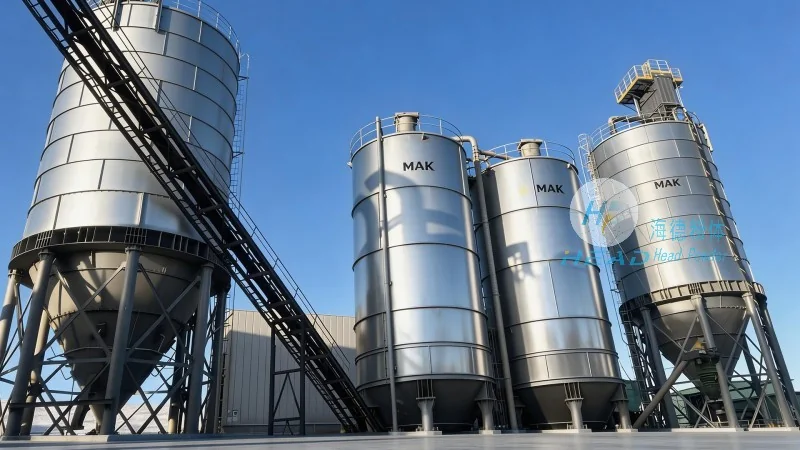
1. Material Characteristics: The system design must account for the physical properties of ferrous sulfate, such as its particle size distribution, density, flowability, and moisture content. These factors influence the required air velocity, pressure, and equipment selection to achieve reliable transport. For example, finer particles may require higher air velocities to prevent clogging or deposition in the pipeline.
2. Conveying Distance and Layout: The system layout and components are determined by the distance the ferrous sulfate needs to travel and the layout of the facility. Longer conveying distances may require additional air boosters or larger pipelines to maintain sufficient pressure and airflow. The design must also consider any changes in elevation or direction, which may affect the system's performance.
3. Airflow and Pressure Management: Proper airflow and pressure management are critical to the system's efficiency. The air velocity must be sufficient to keep the ferrous sulfate suspended in the air stream but not so high as to cause excessive energy consumption or material degradation. The pressure drop across the system components must be minimized to reduce energy costs and ensure consistent performance.
4. Material Handling and Safety: The system is designed with safety in mind, incorporating features to prevent dust explosions, material blockages, and equipment failure. This includes explosion-proof components, dust collection systems, and emergency shut-off valves. The design also considers the potential for material buildup or corrosion, with materials selected to withstand the chemical environment.
Benefits of Using a Ferrous Sulfate Pneumatic Conveying System
Implementing a ferrous sulfate pneumatic conveying system offers several advantages over traditional mechanical conveyors. These benefits include:
- Efficient Material Transport: The system can transport ferrous sulfate over long distances with minimal energy consumption, making it an efficient solution for bulk material handling.
- Reduced Downtime: Pneumatic conveying systems are generally more reliable and require less maintenance than mechanical conveyors, reducing downtime and increasing productivity.
- Improved Safety: The enclosed pipeline system reduces the risk of dust exposure and potential explosions, providing a safer working environment.
- Flexibility in Layout: The system can be easily adapted to different facility layouts, allowing for changes in the conveying route or addition of new processing units without major modifications.
- Cost-Effective: Over time, the lower maintenance costs and energy efficiency of pneumatic conveying systems can lead to significant cost savings compared to traditional methods.
Conclusion
A ferrous sulfate pneumatic conveying system is a sophisticated piece of equipment designed to efficiently and safely transport ferrous sulfate in industrial applications. The system's design, based on principles tailored to the material's properties and operational requirements, ensures reliable performance and optimal efficiency. Companies such as Shandong HeadPowder Engineering Co., Ltd., based in China, specialize in designing and manufacturing such systems, providing tailored solutions for industries dealing with ferrous sulfate and other bulk materials. By understanding the components and design principles of this equipment, industries can make informed decisions to improve their material handling processes and overall operational efficiency.