

What is a Phosphorus Pentachloride Pneumatic Conveying System Equipment? What Are Its Design Princip
Phosphorus pentachloride (PCl₅) is a highly reactive and corrosive chemical compound widely used in industrial applications, particularly in the production of pharmaceuticals, agrochemicals, and specialty chemicals. The safe and efficient handling of PCl₅ is crucial due to its hazardous nature, making specialized equipment like the pneumatic conveying system essential for industrial operations. This article explores the functionality and design principles of a PCl₅ pneumatic conveying system, highlighting the engineering solutions provided by Shandong HeadPowder Engineering Co., Ltd., a leading manufacturer in the field.
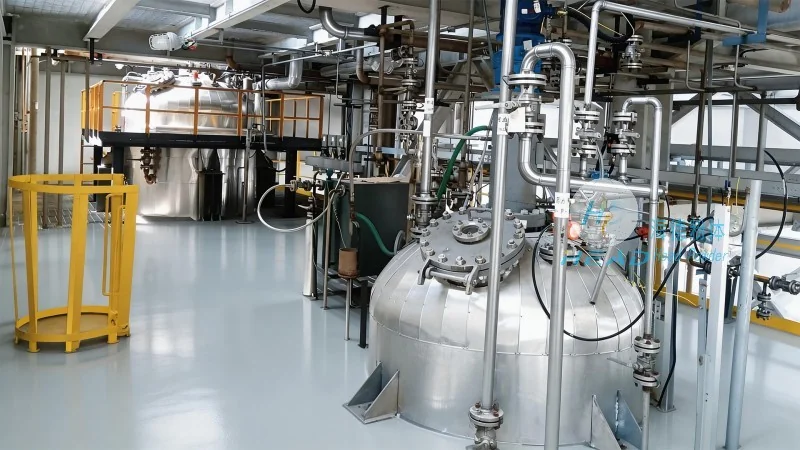
Key Components of the PCl₅ Pneumatic Conveying System
The PCl₅ pneumatic conveying system is a complex yet efficient setup designed to transport PCl₅ powder or granules from one location to another within an industrial facility. The system typically consists of several critical components that work in tandem to ensure safe and reliable operation. These components include a feeding hopper, a rotary airlock valve, a venturi or pressure drop device, a pipeline network, and a dust collection system. Each component plays a vital role in maintaining the integrity of the PCl₅ material and ensuring the safety of the operators and the surrounding environment.
Design Principles for PCl₅ Pneumatic Conveying
The design of a PCl₅ pneumatic conveying system follows specific principles to address the unique challenges posed by this chemical. First, the system must be constructed from materials that are resistant to corrosion and chemical attack, as PCl₅ is highly reactive and can degrade many common metals. Stainless steel, particularly 316L or higher grades, is commonly used for the construction of the pipeline and equipment to ensure durability and safety. Second, the system must incorporate effective dust suppression and explosion prevention measures. PCl₅ is a pyrophoric compound, meaning it can ignite spontaneously in the presence of air or moisture, so the design includes features such as inert gas purging, explosion venting, and flame arrestors to mitigate these risks. Third, the system is engineered to maintain a consistent flow rate and pressure, which is critical for preventing material buildup and ensuring smooth operation. The use of positive pressure or negative pressure systems, depending on the application, helps to control the flow of PCl₅ and minimize the risk of leakage or spillage.
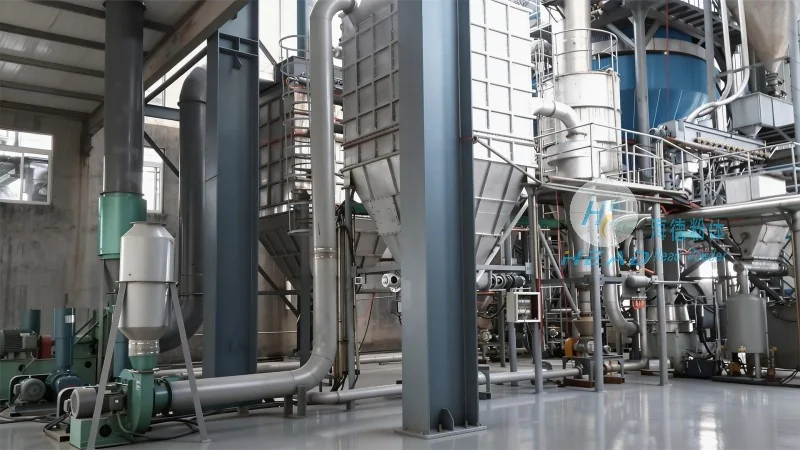
Feeding and Metering Systems
The feeding and metering system is a critical part of the PCl₅ pneumatic conveying system, responsible for accurately controlling the flow rate of the PCl₅ material into the conveying line. The system typically includes a hopper with a level indicator, a rotary airlock valve, and a feeder mechanism such as a screw or belt conveyor. The hopper is designed to store the PCl₅ material and provide a consistent feed to the rotary airlock valve, which acts as a check valve to prevent backflow and maintain the pressure within the system. The feeder mechanism is calibrated to deliver the desired flow rate, ensuring that the PCl₅ is conveyed at a controlled speed without causing excessive pressure drops or material degradation. The design of the feeding system is crucial for maintaining the quality of the PCl₅ and preventing clogging or blockages in the pipeline.
Venturi and Pressure Drop Devices
The venturi or pressure drop device is a key component in the PCl₅ pneumatic conveying system, responsible for creating the necessary pressure differential to move the PCl₅ material through the pipeline. This device is typically located at the inlet of the conveying line and consists of a converging and diverging section that accelerates the air flow, creating a low-pressure zone that draws the PCl₅ material into the pipeline. The design of the venturi is critical for achieving the optimal flow rate and pressure, as it directly impacts the efficiency and reliability of the system. The size and shape of the venturi are carefully selected based on the properties of the PCl₅ material, such as its density, particle size, and flow characteristics. The system also includes pressure sensors and regulators to monitor and control the pressure within the conveying line, ensuring that the PCl₅ is conveyed at a consistent and safe speed.
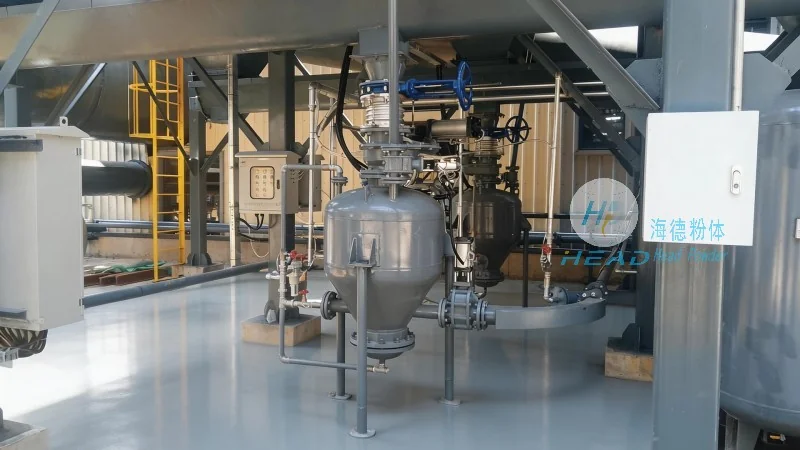
Dust Collection and Safety Measures
Due to the hazardous nature of PCl₅, the pneumatic conveying system must incorporate robust dust collection and safety measures to protect the operators and the environment. The system typically includes a dust collector or baghouse filter that captures any PCl₅ particles that may escape from the conveying line. The dust collector is designed to handle the corrosive properties of PCl₅ and is constructed from materials that are resistant to chemical attack. The system also includes explosion venting and flame arrestors to prevent the buildup of pressure and the spread of fire in the event of an accident. Additionally, the system is equipped with safety interlocks and alarms that trigger when the pressure or temperature exceeds safe limits, ensuring that the operators are alerted to potential hazards and can take appropriate action. The design of the safety measures is in line with industry standards and regulations, such as the Occupational Safety and Health Administration (OSHA) guidelines for handling hazardous chemicals.
Applications and Benefits of the PCl₅ Pneumatic Conveying System
The PCl₅ pneumatic conveying system is widely used in various industrial applications, including the production of pharmaceuticals, agrochemicals, and specialty chemicals. The system is particularly useful in applications where the PCl₅ material needs to be transported over long distances or through complex layouts, as it can handle high volumes of material with minimal maintenance. The benefits of using a PCl₅ pneumatic conveying system include improved safety, reduced labor costs, and increased efficiency compared to traditional methods such as manual handling or mechanical conveying. The system also helps to minimize the risk of contamination and spillage, which is critical for maintaining the quality of the PCl₅ product. Additionally, the system is designed to be flexible and adaptable, allowing it to be integrated into existing industrial facilities or expanded as needed.