

What is an Oxide Copper Powder Conveying System? And What Are Its Design Principles?
Understanding the Oxide Copper Powder Conveying System is crucial for industries that handle copper oxide powders. This system is engineered to efficiently transport these fine particles from one location to another, ensuring smooth operations and maintaining product integrity. The design principles behind such systems are rooted in both material science and engineering, focusing on optimizing flow, minimizing particle degradation, and ensuring safe and reliable operation.
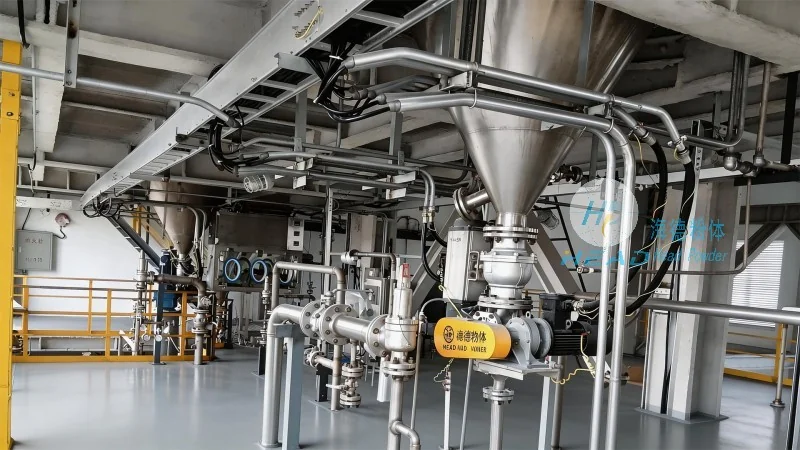
Introduction to Oxide Copper Powder Conveying Systems
An oxide copper powder conveying system is a specialized piece of equipment designed to handle the transportation of copper oxide powders, which are widely used in various industrial applications such as electronics, ceramics, and metallurgy. These powders are typically fine and can be challenging to transport due to their tendency to agglomerate or create dust. The system addresses these challenges by integrating advanced technologies to ensure efficient, dust-free, and safe movement of the material.
About HeadPowder: A Leading Provider of Powder Handling Solutions
HeadPowder, or Shandong HeadPowder Engineering Co., Ltd., is a reputable company based in Shandong, China, specializing in the design, manufacturing, and installation of powder handling systems. With years of experience in the industry, HeadPowder has established itself as a trusted partner for businesses seeking reliable solutions for transporting and processing fine powders, including oxide copper. The company's expertise lies in understanding the unique properties of different powders and tailoring systems to meet specific operational requirements.
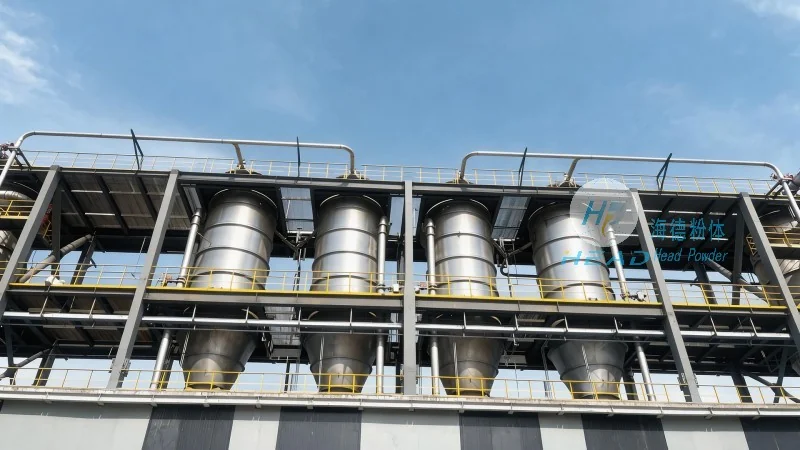
Design Principles of Oxide Copper Powder Conveying Systems
The design of an oxide copper powder conveying system is guided by several key principles aimed at optimizing performance and safety. First, the system must ensure that the copper oxide particles are conveyed without degradation, which could affect their quality and usability. This involves selecting appropriate materials for the system components that are resistant to corrosion and wear, as copper oxide can be abrasive. Second, the system should minimize dust generation and exposure, as copper oxide dust can be hazardous to human health and the environment. This is achieved through the use of sealed systems, proper filtration, and effective dust control measures.
Third, the design focuses on maintaining consistent flow rates and pressure levels to prevent blockages or uneven distribution of the powder. This is critical for maintaining the efficiency of downstream processes, such as mixing, sintering, or coating. The system often incorporates advanced control mechanisms that monitor and adjust parameters in real-time, ensuring stable operation. Additionally, the design considers the scalability of the system, allowing it to be adapted to different production volumes and plant layouts.
Key Components and Their Functions
An oxide copper powder conveying system typically consists of several key components, each playing a vital role in the overall operation. The primary components include a material feeder, which is responsible for feeding the copper oxide powder into the system at a controlled rate. The feeder may be a rotary valve or a screw feeder, depending on the system design and the properties of the powder. The feeder ensures a consistent flow of material, preventing overloading or underloading of the conveying line.
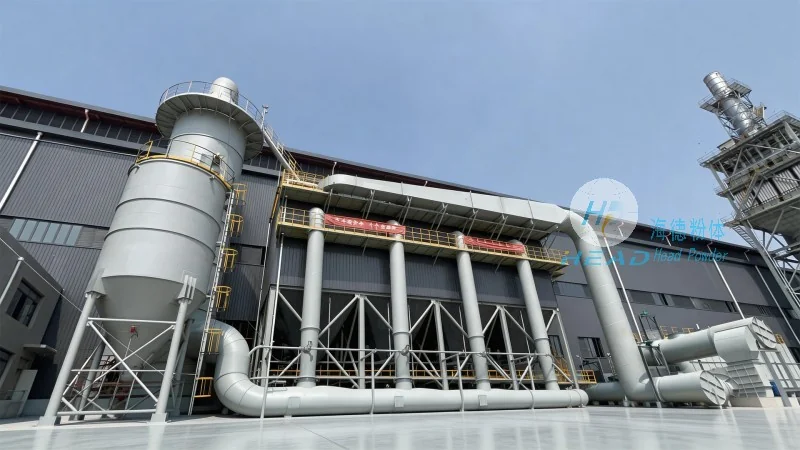
The conveying line itself is a critical component, often made of materials like stainless steel or PTFE to withstand the abrasive nature of copper oxide and prevent contamination. The line may be horizontal or vertical, depending on the layout of the facility. For vertical conveying, the system may use a positive displacement blower or a vacuum pump to create the necessary pressure or suction to move the powder. The choice of conveying method (e.g., pneumatic or mechanical) depends on factors such as the particle size, density, and moisture content of the copper oxide.
The control unit is another essential part of the system, responsible for monitoring and regulating the operation. It may include sensors to detect flow rates, pressure, and temperature, as well as control valves and actuators to adjust the system parameters as needed. The control unit ensures that the system operates within safe and efficient parameters, preventing overpressure or underpressure conditions that could lead to system failure or product damage.
Applications and Benefits in Industrial Settings
Oxide copper powder conveying systems are widely used in various industrial applications where copper oxide is a key raw material. For example, in the electronics industry, copper oxide is used in the production of printed circuit boards (PCBs) and other electronic components. The system ensures that the copper oxide powder is delivered to the production line in a controlled manner, maintaining the quality and consistency of the final products. In the ceramics industry, copper oxide is used as a pigment or a catalyst in the production of ceramic glazes and coatings. The system helps in efficiently transporting the powder to the mixing and processing stages, ensuring uniform distribution and color.
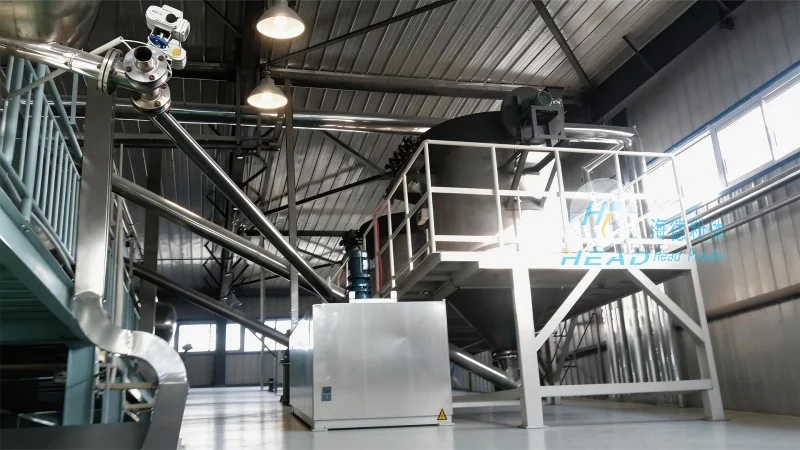
In the metallurgy industry, copper oxide is used in the production of copper alloys and in the refining processes. The system facilitates the transport of the powder from storage to the processing equipment, ensuring a continuous supply of material. The benefits of using an oxide copper powder conveying system extend beyond just efficient material transport. These systems also contribute to improved workplace safety by reducing dust exposure and minimizing the risk of accidents. They also enhance operational efficiency by reducing downtime and improving the overall productivity of the production process.
Conclusion: The Importance of a Well-Designed Conveying System
In conclusion, an oxide copper powder conveying system is a critical component in industries that handle copper oxide powders. The design principles behind such systems focus on optimizing flow, maintaining product integrity, and ensuring safe operation. With the expertise of companies like Shandong HeadPowder Engineering Co., Ltd., businesses can access reliable and efficient systems that meet their specific needs. By investing in a well-designed conveying system, industries can enhance their productivity, improve product quality, and ensure a safe working environment for their employees.