

What is a Potassium Chloride Powder Handling System? And What Are Its Design Principles?
For industries dealing with bulk solids like potassium chloride, efficient and reliable handling systems are crucial for operational success. This article explores the concept of a potassium chloride powder handling system, detailing its design principles and the critical components that ensure smooth material transfer. By understanding these systems, businesses can optimize their processes, enhance safety, and improve overall productivity in the handling of this essential chemical.
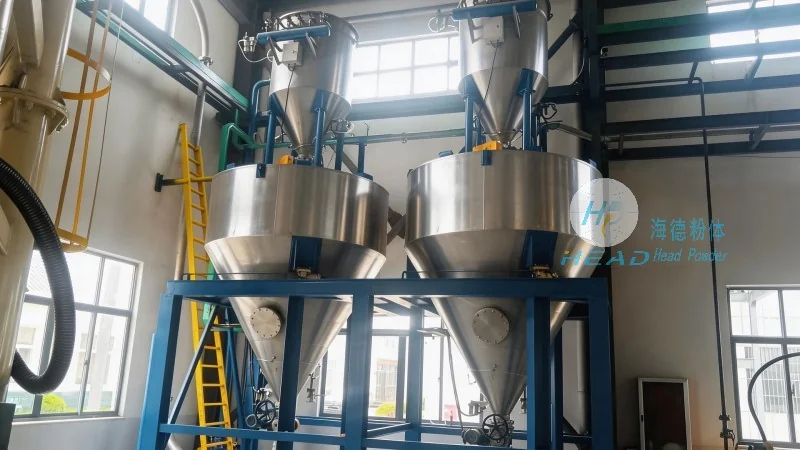
Understanding the Core Components of a Potassium Chloride Powder Handling System
A potassium chloride powder handling system typically comprises several key components designed to manage the flow, storage, and transfer of the material. The primary elements include feeders, conveyors, storage silos, and control systems. Each component plays a vital role in ensuring the system operates efficiently and safely. For instance, feeders regulate the flow rate of the powder from storage silos to the conveyor, preventing overloading or underflow. Conveyors, such as belt conveyors or pneumatic systems, transport the material to its destination, whether it's a processing unit or a storage area. Storage silos provide a controlled environment to store the bulk material, maintaining its quality and preventing degradation. Control systems, often integrated with sensors and automation, monitor the system's performance, ensuring it operates within safe parameters and alerts operators to any anomalies.
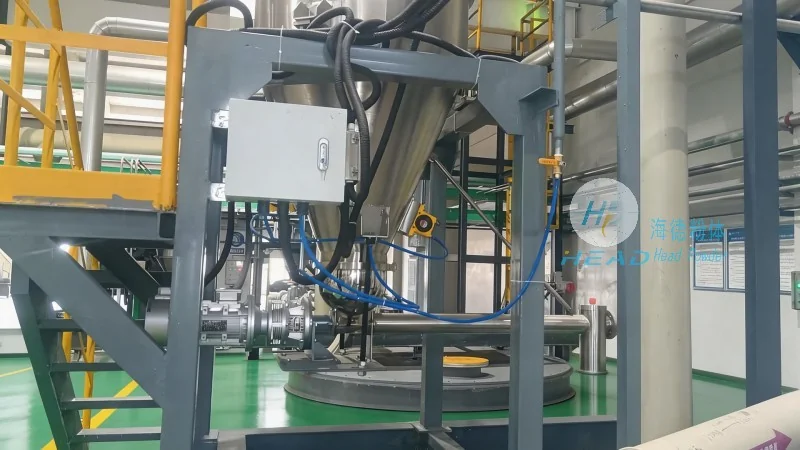
Design Principles for Optimal Performance
The design of a potassium chloride powder handling system follows several fundamental principles to ensure efficiency, safety, and durability. One of the key principles is the minimization of material degradation. Potassium chloride is a hygroscopic material, meaning it can absorb moisture from the air, leading to clumping or caking. Therefore, the system must be designed to maintain low humidity levels and prevent exposure to moisture. This is achieved through proper sealing of equipment, use of drying agents, and maintaining consistent temperature and humidity conditions. Another critical principle is the prevention of material buildup and blockages. Due to the fine particle size of potassium chloride, it can easily accumulate in pipes, hoppers, and other components, leading to system downtime. To address this, the system incorporates features like vibration devices, air knives, and self-cleaning mechanisms to keep the material flowing smoothly. Additionally, the design emphasizes safety by incorporating explosion-proof components, dust collection systems, and emergency shutdown procedures. These measures protect both personnel and equipment from potential hazards associated with handling powders, such as dust explosions or material spills.
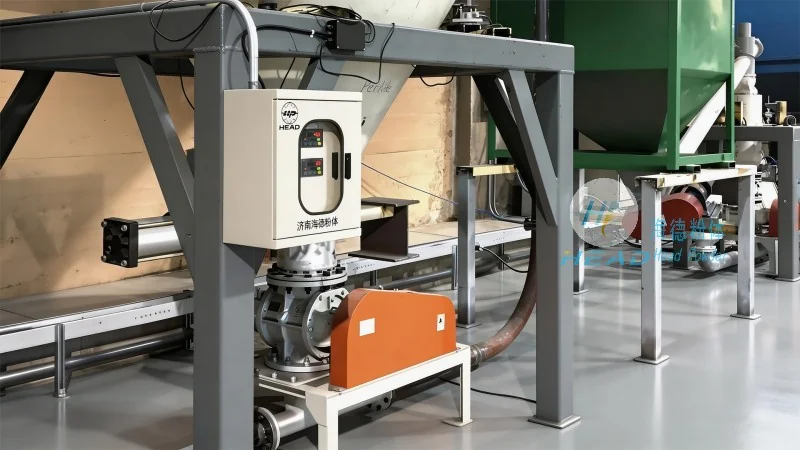
HeadPowder's Expertise in Potassium Chloride Powder Handling Solutions
Shandong HeadPowder Engineering Co., Ltd., a leading provider of powder handling solutions, specializes in designing and manufacturing systems tailored to the unique needs of potassium chloride handling. With years of experience in the industry, HeadPowder understands the challenges associated with handling this material and offers comprehensive solutions that address all aspects of the process. The company's team of engineers and technicians work closely with clients to assess their specific requirements, from material properties to operational constraints, and develop customized systems that meet their needs. HeadPowder's systems are built with high-quality materials, such as stainless steel and corrosion-resistant components, ensuring long-term durability and reliability. The company also provides after-sales support, including maintenance services, spare parts, and technical assistance, to ensure the system operates at peak performance throughout its lifecycle. By partnering with HeadPowder, businesses can benefit from advanced technology, expert guidance, and reliable support, enhancing their operational efficiency and safety in handling potassium chloride.
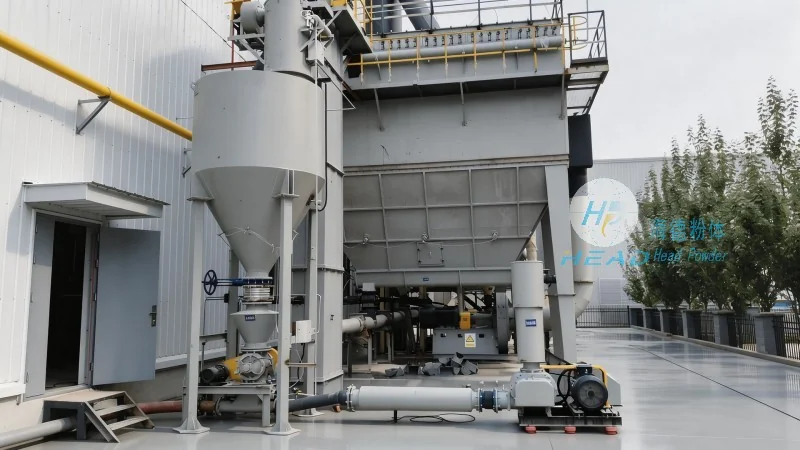
Conclusion: The Importance of a Well-Designed Potassium Chloride Powder Handling System
In conclusion, a well-designed potassium chloride powder handling system is essential for industries dealing with this critical material. By adhering to the design principles outlined above, businesses can ensure efficient material transfer, minimize material degradation, and maintain a safe working environment. The expertise of companies like Shandong HeadPowder Engineering Co., Ltd. plays a vital role in delivering high-quality systems that meet the specific needs of their clients. As the demand for potassium chloride continues to grow, the importance of reliable handling systems will only increase. Investing in a well-designed system not only improves operational efficiency but also contributes to long-term sustainability and success in the industry.