

What is a Silicon Carbide Powder Handling System? And What Are Its Design Principles?
When it comes to industrial material handling, especially for high-performance materials like silicon carbide (SiC), the efficiency and reliability of the powder handling system are critical. A silicon carbide powder handling system is a specialized setup designed to transport, store, and manage SiC powder in a controlled environment. This system is essential for industries such as semiconductor manufacturing, refractory production, and advanced ceramics, where the purity and consistency of SiC powder are paramount.
HeadPowder, a leading provider in the field, specializes in developing and manufacturing such systems. As Shandong HeadPowder Engineering Co., Ltd., based in Shandong, China, the company leverages years of expertise to deliver robust solutions tailored to the unique demands of SiC powder handling. The following sections will explore the fundamental aspects of these systems, including their design principles and key operational considerations.
Understanding the Silicon Carbide Powder Handling System
Silicon carbide is a hard, abrasive material with a high melting point and excellent thermal conductivity. Its handling requires specialized equipment to prevent contamination, degradation, and safety hazards. The silicon carbide powder handling system typically includes components such as hoppers, feeders, conveyors, and storage silos. Each component is designed to work in harmony to ensure the smooth and safe transfer of SiC powder from raw material storage to processing equipment.
The system's design must address several challenges inherent to SiC powder. These include its abrasive nature, which can wear down conventional equipment, and its tendency to form clumps or agglomerates, which can disrupt flow. To mitigate these issues, the system incorporates features like vibration feeders, air classifiers, and dust collection systems. These components help maintain the powder's quality and ensure consistent performance throughout the handling process.
Design Principles of Silicon Carbide Powder Handling Systems
The design of a silicon carbide powder handling system follows several core principles aimed at optimizing performance, safety, and efficiency. The first principle is material compatibility. All components in the system must be constructed from materials that can withstand the abrasive and corrosive properties of SiC powder. Typically, this involves using stainless steel, special alloys, or even specialized plastics that resist wear and chemical attack.
Second, the system must ensure minimal contamination. Since SiC is used in high-purity applications, any foreign particles or moisture can compromise the final product. The design incorporates sealed hoppers, air-tight connections, and filtration systems to prevent cross-contamination and maintain the powder's purity. This is crucial for industries like semiconductor manufacturing, where even trace impurities can affect device performance.
Third, the system is built for durability and long-term operation. SiC powder is known for its hardness, which can cause rapid wear on standard equipment. Therefore, the system uses wear-resistant materials and components, such as lined hoppers and hardened conveyor belts, to extend the lifespan of the equipment and reduce maintenance costs.
Fourth, the system prioritizes safety. SiC powder can be hazardous if inhaled or if it causes dust explosions. The design includes explosion-proof components, dust collection systems, and proper ventilation to minimize health risks and comply with safety regulations. These safety measures are essential for protecting workers and maintaining a safe working environment.
Key Components and Their Functions
A silicon carbide powder handling system consists of several key components, each playing a vital role in the overall operation. The primary components include:
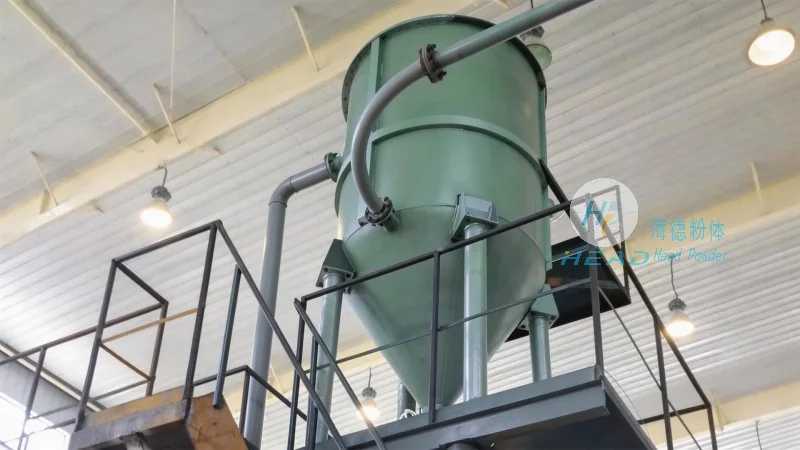
1. Hoppers and Storage Silos: These are used to store large quantities of SiC powder. The design of the hoppers is crucial to prevent material bridging and caking, which can impede flow. The silos are typically made of stainless steel or other corrosion-resistant materials to ensure the powder remains uncontaminated.
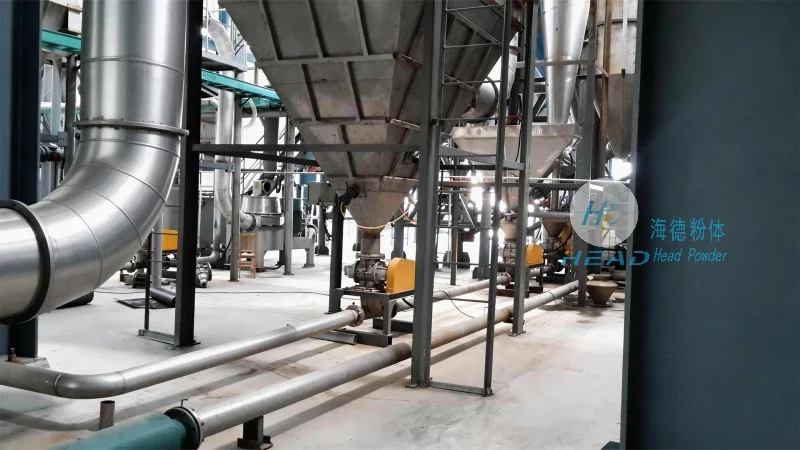
2. Feeders: Feeders are responsible for controlling the flow rate of SiC powder from the storage silos to the conveyor system. Common types include vibratory feeders, screw feeders, and rotary valves. These devices ensure a consistent and controlled feed rate, which is essential for maintaining the quality of the powder and preventing overloading of downstream equipment.
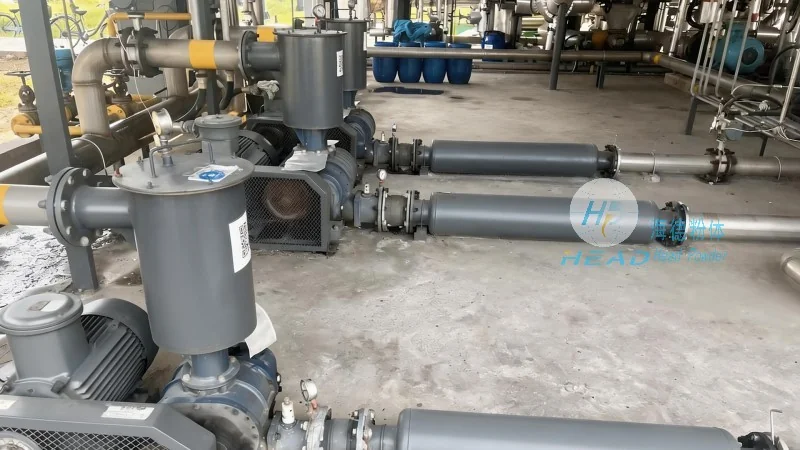
3. Conveyors: Conveyors transport the SiC powder from the feeder to the processing equipment. Depending on the application, different types of conveyors may be used, such as belt conveyors, pneumatic conveyors, or screw conveyors. The choice of conveyor depends on factors like the powder's properties, the distance to be covered, and the required flow rate.
4. Dust Collection and Filtration Systems: These systems are critical for maintaining air quality and preventing dust explosions. They capture airborne particles and filter them before releasing the air back into the environment. The design of these systems must comply with local regulations and industry standards to ensure safety and compliance.
Applications in Industrial Processes
Silicon carbide powder handling systems are widely used in various industrial applications where high-performance materials are required. Some of the key applications include:
1. Semiconductor Manufacturing: In the production of semiconductor devices, SiC is used as a substrate or for manufacturing high-power electronic components. The handling system must maintain the powder's purity to ensure the quality of the final products. The system's design focuses on minimizing contamination and ensuring consistent flow rates.
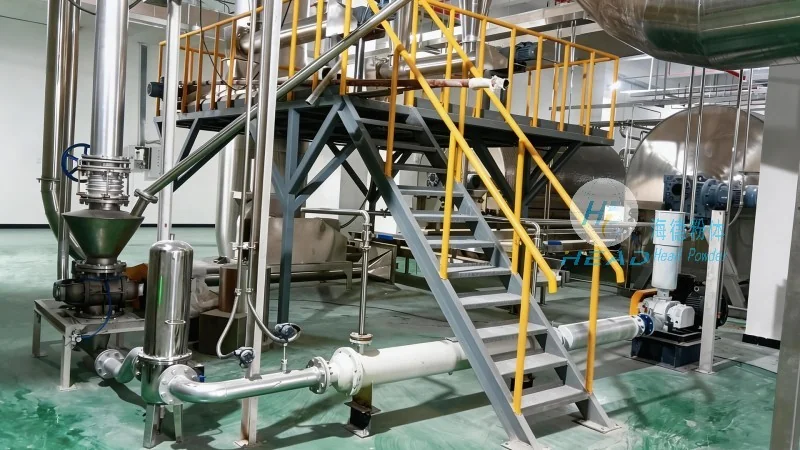
2. Refractory Production: SiC is used in the production of refractory materials, which are used in high-temperature applications such as furnace linings and kilns. The handling system must be able to handle large quantities of SiC powder and transport it to the mixing and molding processes. The design emphasizes durability and efficiency to meet the demands of high-volume production.
3. Advanced Ceramics: SiC is used in the manufacturing of advanced ceramic components, such as cutting tools and wear-resistant parts. The handling system must ensure the powder's quality and consistency to produce high-performance ceramic products. The system's design includes features to prevent agglomeration and maintain the powder's particle size distribution.
Conclusion
A silicon carbide powder handling system is a sophisticated and essential component in industries that rely on high-performance materials. The design principles and components of such a system are tailored to address the unique challenges of handling SiC powder, including its abrasive nature, high purity requirements, and safety considerations. By leveraging advanced engineering and materials, companies like Shandong HeadPowder Engineering Co., Ltd. provide reliable solutions that enhance productivity, ensure product quality, and maintain a safe working environment.
For industries seeking to optimize their SiC powder handling processes, investing in a well-designed system is a critical step toward achieving operational excellence and meeting the demands of modern manufacturing.