

What is a Sponge Sand Powder Conveying System? And What Are Its Design Principles?
Understanding the fundamentals of sponge sand powder conveying systems is crucial for industries that rely on efficient material handling. These systems are engineered to transport fine powders like sponge sand, which are often used in foundries and other manufacturing processes. The core of such systems lies in their ability to move materials with minimal dust generation and high reliability, making them essential for maintaining production efficiency and safety.
Key Components of a Sponge Sand Powder Conveying System
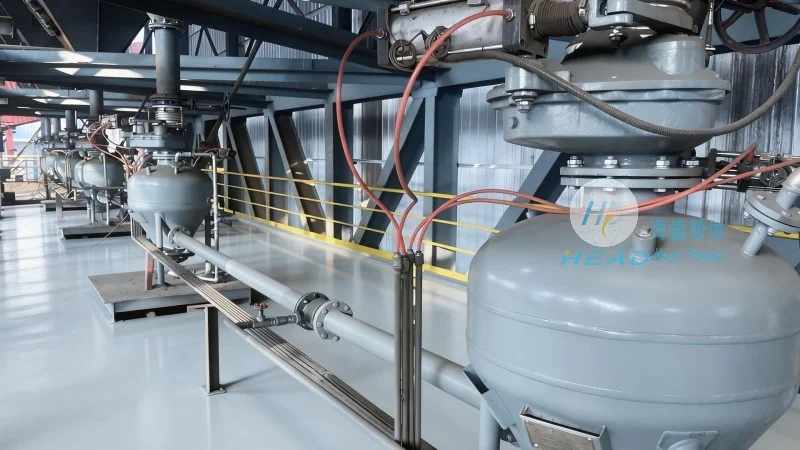
A typical sponge sand powder conveying system comprises several critical components that work in tandem to ensure smooth operation. The main elements include a hopper for material storage, a feeder to control the flow rate, a conveyor (such as a pneumatic or mechanical system), and a control unit to regulate the entire process. Each component is designed to handle the unique properties of sponge sand, which can be abrasive and prone to caking. The hopper is often equipped with a vibration or agitation system to prevent material bridging, while the feeder ensures a consistent feed rate to the conveyor. The conveyor itself may use air pressure or mechanical force to move the sand, depending on the system design. The control unit monitors parameters like pressure, flow rate, and temperature to maintain optimal performance and prevent system failures.
Design Principles and Engineering Considerations
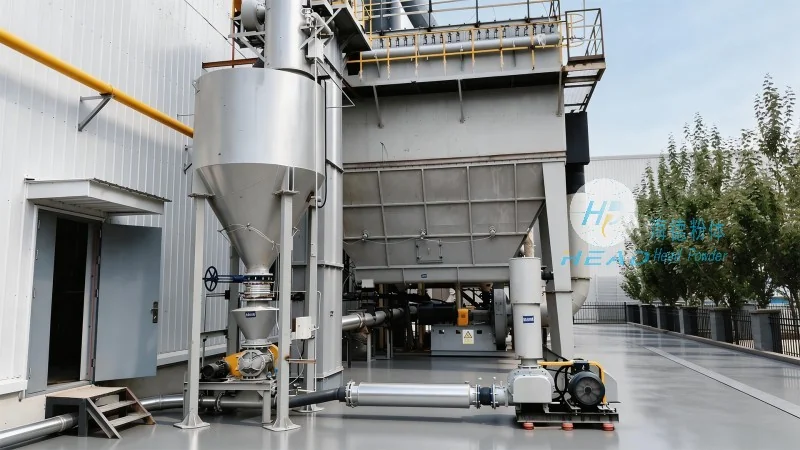
The design of a sponge sand powder conveying system follows specific principles to address the challenges of handling fine, abrasive materials. One of the primary design considerations is minimizing dust and ensuring airtight operation. This is achieved through the use of sealed hoppers and conveyors, which prevent material from escaping and reduce the risk of inhalation by workers. Another key principle is the selection of appropriate materials for components that come into contact with the sand. For instance, the hopper and feeder may be made of stainless steel or other corrosion-resistant materials to withstand the abrasive nature of sponge sand. The conveyor system may use high-quality rubber or metal belts to prevent wear and tear. Additionally, the system is designed to handle variations in material density and flow characteristics. This is achieved through adjustable feed rates and variable speed conveyors, which can adapt to different production needs. The design also emphasizes energy efficiency, with components optimized to minimize power consumption while maintaining performance.
Applications and Benefits in Industrial Settings
Sponge sand powder conveying systems are widely used in various industrial applications, particularly in the foundry industry where sponge sand is a common material for casting processes. The primary benefits of these systems include improved material handling efficiency, reduced downtime due to maintenance, and enhanced safety in the workplace. By automating the transportation of sponge sand, companies can streamline their production processes and reduce the risk of accidents caused by manual handling of fine powders. Additionally, the systems help maintain consistent material quality by preventing contamination and ensuring uniform flow rates. This consistency is crucial for achieving high-quality castings and reducing waste. The systems also contribute to environmental sustainability by minimizing dust emissions and improving air quality in the workplace. Overall, the adoption of sponge sand powder conveying systems leads to increased productivity, cost savings, and improved working conditions.
Company Overview: Shandong HeadPowder Engineering Co., Ltd.
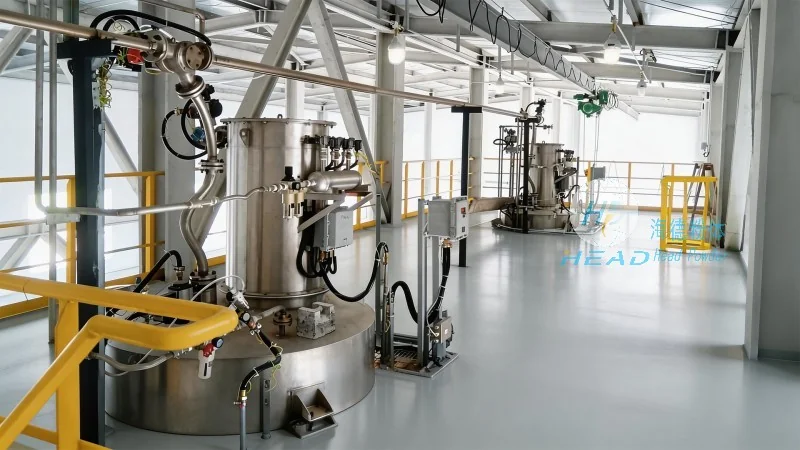
Shandong HeadPowder Engineering Co., Ltd., commonly known as headpowder, is a leading manufacturer of powder handling systems, including sponge sand powder conveying systems. The company is headquartered in Shandong, China, and has a strong reputation for delivering high-quality, reliable equipment tailored to the needs of various industries. With years of experience in the field, headpowder has developed advanced technologies and engineering solutions that address the unique challenges of handling fine powders. The company’s products are designed to meet international standards and are backed by a team of skilled engineers and technicians who provide comprehensive support and maintenance services. headpowder’s commitment to innovation and customer satisfaction has made it a trusted partner for many companies in the foundry and manufacturing sectors. The company continues to invest in research and development to improve its products and stay ahead of industry trends, ensuring that its customers receive the best possible solutions for their powder handling needs.