

What is Nitrogen-Protected Powder Handling Equipment? Exploring Its Design Principles
When dealing with sensitive or reactive powders, ensuring a controlled environment is crucial for maintaining product integrity and operational safety. This is where nitrogen-protected powder handling equipment plays a vital role. These systems are engineered to provide an inert atmosphere, typically using nitrogen gas, to prevent oxidation, moisture absorption, or other chemical reactions that could compromise the quality of the material being transported. The design principles behind such equipment are intricate, balancing functionality, safety, and efficiency to meet the demands of various industrial applications.
Understanding the Core Components of Nitrogen-Protected Powder Handling Systems
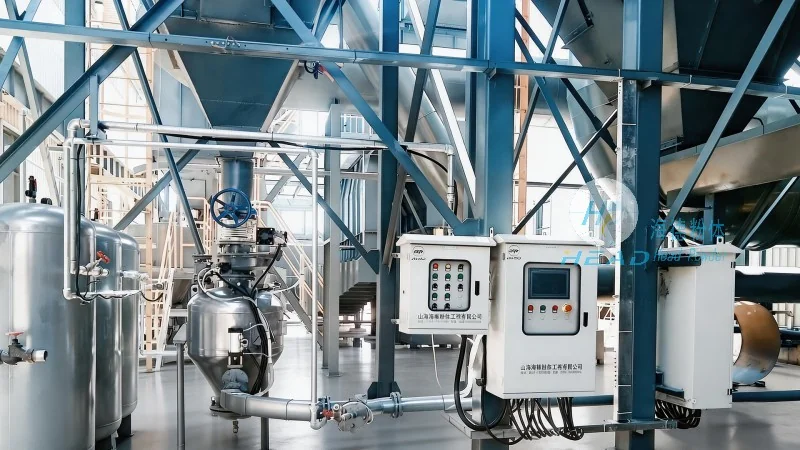
The foundation of any nitrogen-protected powder handling equipment lies in its ability to create and maintain a sealed, nitrogen-rich environment. This involves several key components that work in tandem to ensure optimal performance. First, the sealing system is critical. It prevents the ingress of ambient air and moisture while allowing for the controlled introduction and removal of nitrogen gas. Common sealing technologies include mechanical seals, double seals, and magnetic drives, which are chosen based on the specific properties of the powder and the operating conditions. For instance, materials like polytetrafluoroethylene (PTFE) or metal bellows are often used to create tight seals that can withstand high pressures and temperatures.
Second, the nitrogen gas supply and control system is essential. This component ensures a consistent flow of high-purity nitrogen to the equipment. The system typically includes a nitrogen generator or supply line, pressure regulators, and flow meters to maintain the desired nitrogen concentration. The purity of the nitrogen is paramount, as even trace amounts of oxygen or moisture can lead to unwanted reactions in the powder. Many systems also incorporate sensors to monitor nitrogen levels in real-time, triggering alarms or automatic adjustments if the concentration drops below safe thresholds.
Design Principles for Optimal Performance and Safety
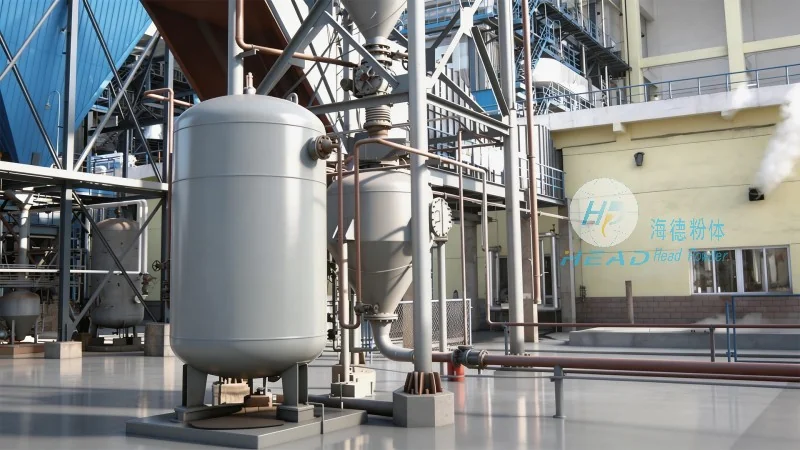
Designing nitrogen-protected powder handling equipment requires a careful consideration of several factors to ensure both performance and safety. One of the primary design principles is inertization. The equipment must be capable of displacing ambient air with nitrogen quickly and efficiently. This is often achieved through a combination of positive pressure nitrogen flow and vacuum systems that remove residual air from the system. The rate of inertization is critical, as it directly impacts the time required for the system to reach a stable, oxygen-free environment. Engineers often use computational fluid dynamics (CFD) simulations to model the flow of nitrogen and optimize the design for rapid and uniform inertization.
Another key principle is material compatibility. The construction materials of the equipment must be compatible with the powder being handled. For example, if the powder is corrosive or reactive, materials like stainless steel, Hastelloy, or specialized polymers are used to prevent chemical reactions or degradation. The choice of materials also affects the equipment's durability and maintenance requirements. For instance, stainless steel is widely used due to its resistance to corrosion and ease of cleaning, while specialized alloys may be required for highly aggressive powders.
Applications and Benefits of Nitrogen-Protected Powder Handling Equipment
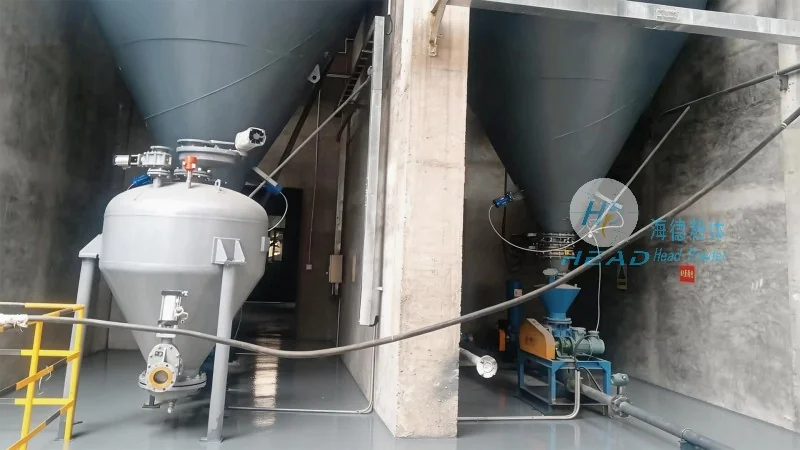
Nitrogen-protected powder handling equipment is widely used across various industries, including pharmaceuticals, food processing, chemical manufacturing, and aerospace. In the pharmaceutical industry, for example, such equipment is essential for handling active pharmaceutical ingredients (APIs) that are sensitive to moisture and oxidation. The controlled environment ensures that the API remains stable during processing, packaging, and storage, maintaining its efficacy and safety for patients. In the food industry, nitrogen-protected systems are used to handle powders like cocoa, sugar, or spices, preventing spoilage and maintaining product freshness. The benefits of these systems extend beyond product quality; they also enhance operational safety by reducing the risk of dust explosions or fire hazards, which are common in powder handling operations.
Company Overview: Shandong HeadPowder Engineering Co., Ltd.
HeadPowder, a leading manufacturer in the field of powder handling technology, specializes in designing and manufacturing nitrogen-protected equipment tailored to the unique needs of various industries. With a strong commitment to innovation and quality, the company has established itself as a trusted partner for businesses requiring reliable and efficient powder handling solutions. HeadPowder's products are engineered to meet international standards and are backed by rigorous testing and quality control processes. The company's headquarters is located in Shandong, China, where it leverages advanced manufacturing capabilities and a team of experienced engineers to deliver cutting-edge solutions. By focusing on customer-specific requirements, HeadPowder ensures that its equipment not only meets but exceeds industry expectations, providing long-term value and operational reliability.