

What is an Embolism-Type Powder Conveying Line? Exploring Its Design Principles
For industries dealing with bulk powder handling, the efficiency and reliability of material transport systems are critical. Among the various technologies available, the embolism-type powder conveying line stands out as a specialized solution designed to address the unique challenges of transporting fine powders. This article delves into the fundamental aspects of such systems, focusing on their design principles and the key factors that make them effective in industrial applications.
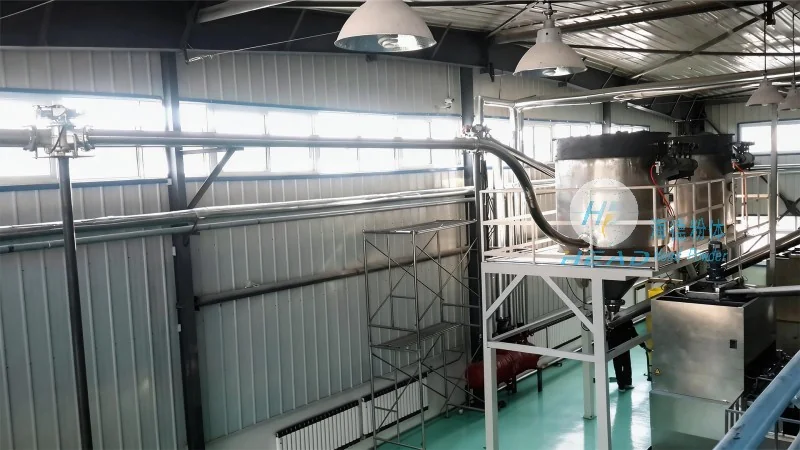
Understanding the Core Concept of Embolism-Type Conveying
The term "embolism-type" refers to a conveying mechanism where the powder is transported in a plug or "embolism" form, rather than as a dilute suspension or gas stream. This approach is particularly advantageous for materials that are prone to segregation, agglomeration, or degradation when exposed to air or mechanical stress. By maintaining a dense, solid plug of powder, the system minimizes exposure to external factors, ensuring that the material remains in its original state throughout the conveying process.
Key Design Principles of Embolism-Type Powder Conveying Lines
The design of an embolism-type powder conveying line is built on several core principles that ensure optimal performance. First, the system utilizes a positive displacement mechanism, where a pump or compressor creates a pressure differential to move the powder. This is typically achieved through a series of valves, check valves, and a conveying tube that forms a closed loop. The plug formation is facilitated by the pressure applied, which forces the powder to fill the tube completely, eliminating any air gaps that could lead to material degradation or loss.
Second, the system is designed to maintain a consistent flow rate and pressure. This is crucial for controlling the speed of material transport and preventing issues such as clogging or uneven distribution. The use of precise control valves and pressure sensors allows operators to adjust the conveying parameters in real-time, ensuring that the system operates within safe and efficient limits. Additionally, the materials used for the conveying components—such as stainless steel, PTFE, or specialized polymers—are selected to be compatible with the powder being transported, preventing contamination or chemical reactions.
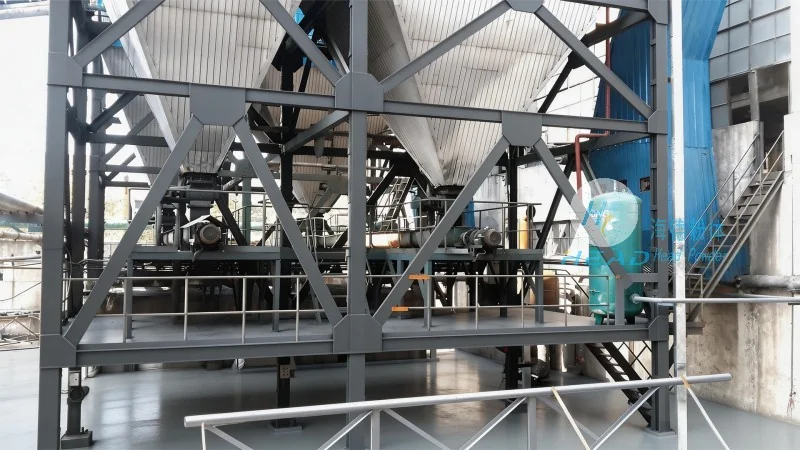
Components and Operation of Embolism-Type Conveying Systems
At the heart of an embolism-type powder conveying line are several key components that work in tandem to achieve efficient material transport. The primary components include a pump (often a positive displacement pump like a diaphragm or piston pump), a series of check valves, a conveying tube or hose, and a control system. The pump generates the necessary pressure to push the powder through the system, while the check valves ensure that the flow direction is unidirectional, preventing backflow and maintaining the plug formation.
The conveying tube is typically made of flexible or rigid materials, depending on the application. Flexible tubes are often used for horizontal or vertical transport over long distances, while rigid tubes are preferred for high-pressure or high-temperature applications. The tube's inner surface is smooth and often lined with a non-stick coating to reduce friction and prevent powder adhesion. The control system, which may include pressure gauges, flow meters, and a programmable logic controller (PLC), monitors the system's performance and adjusts the pump speed or pressure as needed to maintain optimal conveying conditions.
Advantages of Embolism-Type Powder Conveying Lines
Compared to traditional pneumatic or mechanical conveying systems, embolism-type powder conveying lines offer several distinct advantages. One of the most significant benefits is the ability to transport fine powders without causing segregation or degradation. By maintaining a dense plug, the system minimizes the exposure of the powder to air, reducing the risk of oxidation or moisture absorption. This is particularly important for sensitive materials such as pharmaceuticals, food products, or chemicals that are prone to quality changes.
Another advantage is the energy efficiency of the system. Since the powder is transported in a solid plug, less air is required compared to pneumatic systems, resulting in lower energy consumption and reduced operating costs. Additionally, the system is more compact and easier to install, as it does not require large air compressors or extensive piping. This makes it suitable for applications where space is limited or where a more streamlined setup is desired.
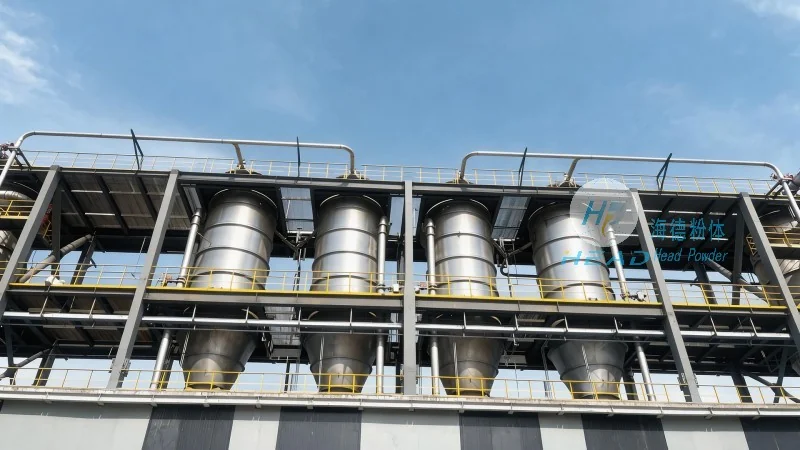
Furthermore, embolism-type conveying lines are highly reliable and durable. The positive displacement mechanism ensures that the material is transported consistently, even under varying load conditions. The system is also less prone to clogging or blockages, as the plug formation prevents the accumulation of material in the tube. This reduces downtime and maintenance requirements, making it a cost-effective solution for long-term operation.
Applications and Industries Using Embolism-Type Conveying Lines
The versatility of embolism-type powder conveying lines makes them suitable for a wide range of industries. In the pharmaceutical industry, these systems are used to transport active pharmaceutical ingredients (APIs) and excipients, ensuring that the materials remain pure and free from contamination. In the food industry, they are used to convey ingredients such as flour, sugar, or spices, maintaining the quality and freshness of the products. The chemical industry also benefits from these systems, as they can handle corrosive or abrasive powders without damaging the equipment.
In addition to these industries, embolism-type conveying lines are used in the cosmetics, agricultural, and mining sectors. For example, in the cosmetics industry, they are used to transport pigments and powders for makeup products, while in the agricultural sector, they are used to handle fertilizers and pesticides. The mining industry uses these systems to transport ore powders from processing plants to storage facilities, ensuring efficient and safe material transport.