

What is an Automatic Blending and Feeding Powder Material Handling System? What are its Design Princ
This section introduces the core concept of an automatic blending and feeding powder material handling system, which is a sophisticated piece of industrial equipment designed to handle, blend, and transport bulk powders with precision and efficiency. The system is crucial in industries such as pharmaceuticals, food processing, chemical manufacturing, and more, where the accurate mixing and controlled delivery of powders are essential for product quality and process consistency. Developed by Shandong HeadPowder Engineering Co., Ltd., a leading manufacturer based in China, this equipment integrates advanced technology to ensure reliable operation and optimal performance in various production environments.
Key Components and Functions of the System
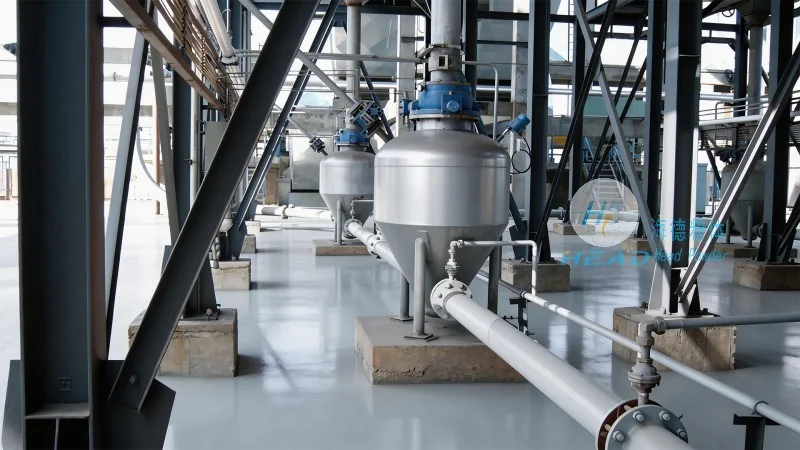
The automatic blending and feeding powder material handling system comprises several critical components that work in tandem to achieve its objectives. The primary components include a hopper for material storage, a blending unit that ensures uniform mixing of different powder ingredients, a feeding mechanism that controls the flow rate of the blended material, and a conveying system that transports the powder to the next stage of the production process. The system's functions are centered around material handling, precise blending, and controlled feeding. The blending unit typically employs a rotating or vibrating mechanism to mix the powders thoroughly, eliminating segregation and ensuring a homogeneous mixture. The feeding mechanism, often a screw feeder or a rotary valve, regulates the flow rate based on process requirements, preventing overfeeding or underfeeding. The conveying system, which may include pneumatic or mechanical conveyors, transports the blended powder to the processing equipment or storage containers. Each component is designed to work seamlessly, ensuring that the system operates with minimal downtime and maximum efficiency.
Design Principles and Engineering Considerations
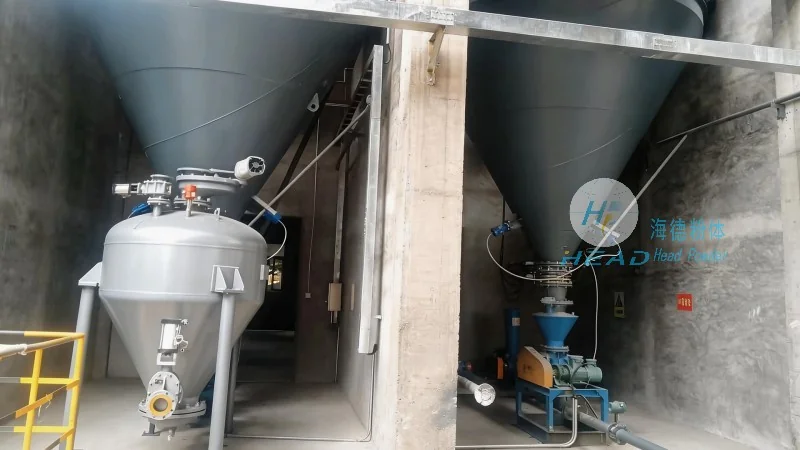
The design of an automatic blending and feeding powder material handling system is guided by several key principles to ensure optimal performance and reliability. One of the fundamental principles is the need for uniform mixing to achieve consistent product quality. The blending unit is engineered to minimize particle segregation, which can occur due to differences in particle size, density, or shape. This is achieved through careful selection of mixing mechanisms and the use of appropriate mixing times and speeds. Another critical principle is the control of material flow and feeding rates. The system incorporates sensors and control systems to monitor and adjust the flow rate in real-time, ensuring that the correct amount of material is delivered to the next stage of the process. This is particularly important in applications where precise dosing is required, such as in pharmaceutical manufacturing or food processing. Additionally, the design considers factors such as material compatibility, equipment durability, and ease of maintenance. The components are made from materials that are resistant to corrosion and wear, ensuring long-term operation. The system is also designed with easy access to components for maintenance and cleaning, reducing downtime and operational costs. The engineering team at Shandong HeadPowder Engineering Co., Ltd. employs advanced simulation and testing methods to optimize the design, ensuring that the system meets the specific needs of each client while adhering to industry standards and regulations.

Applications and Industry Relevance
The automatic blending and feeding powder material handling system finds extensive applications across various industries due to its versatility and precision. In the pharmaceutical industry, it is used to blend active pharmaceutical ingredients (APIs) with excipients to create uniform drug powders, which are then processed into tablets or capsules. The system's ability to maintain precise dosing and prevent cross-contamination is crucial in this sector. In the food processing industry, it is employed to blend ingredients such as flour, sugar, and spices to create consistent food products, such as baked goods or beverages. The system's hygienic design and easy cleaning features make it suitable for food applications. In the chemical manufacturing industry, it is used to blend raw materials for the production of chemicals, ensuring that the final product meets the required specifications. The system's ability to handle a wide range of materials, from fine powders to bulk materials, makes it a versatile solution for various industrial needs. The system's reliability and efficiency contribute to improved production throughput and reduced waste, making it a valuable asset for any manufacturing operation.
Conclusion
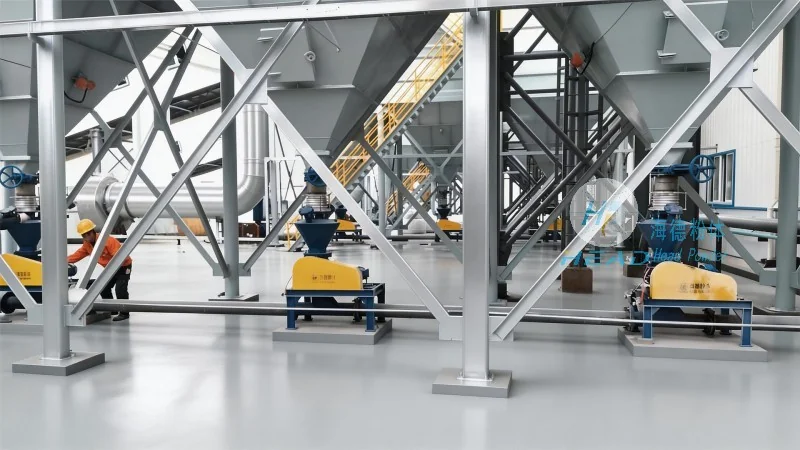
The automatic blending and feeding powder material handling system is a sophisticated and essential piece of equipment in modern industrial production. Developed by Shandong HeadPowder Engineering Co., Ltd., this system integrates advanced technology to ensure precise blending, controlled feeding, and efficient material handling. The design principles and engineering considerations ensure that the system operates reliably and efficiently, meeting the specific needs of various industries. From pharmaceuticals to food processing and chemical manufacturing, the system plays a critical role in maintaining product quality and process consistency. As industries continue to demand higher precision and efficiency, the automatic blending and feeding powder material handling system remains a vital solution for modern manufacturing operations.