

What is a Dust-Free Automatic Powder Conveying System? And What Are Its Design Principles?
For industries dealing with powders, maintaining a clean and efficient environment is crucial. A dust-free automatic powder conveying system is a specialized piece of equipment designed to transport powders without generating dust, ensuring safety, hygiene, and operational efficiency. This article explores the fundamental aspects of such systems, including their design principles and the key components that make them effective.
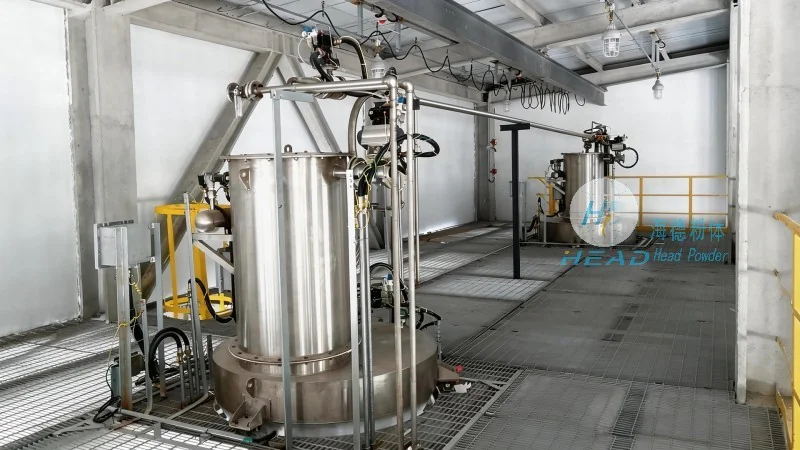
About HeadPowder: Your Expert in Powder Handling Solutions
HeadPowder, or Shandong HeadPowder Engineering Co., Ltd., is a leading manufacturer based in Shandong, China. With a strong commitment to quality and innovation, the company specializes in developing advanced powder handling systems tailored to meet the diverse needs of various industries. HeadPowder’s expertise lies in creating reliable, efficient, and dust-free solutions that enhance productivity while adhering to strict safety and environmental standards.
Understanding the Core Components of a Dust-Free Automatic Powder Conveying System
The dust-free automatic powder conveying system typically consists of several key components that work in harmony to ensure efficient and safe powder transport. These components include:
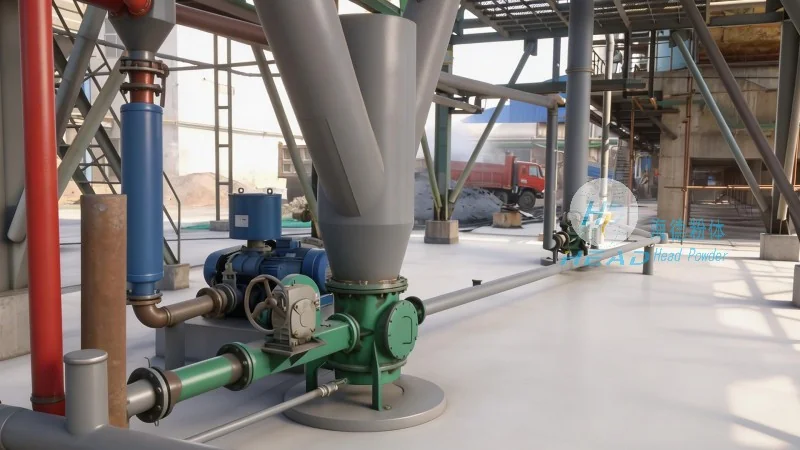
- Pneumatic Conveying Hoses or Tubing: These are the primary conduits for transporting powders. They are often made from materials resistant to powder abrasion and can be designed to minimize dust leakage.
- Pneumatic Valves: These control the flow of air and powder within the system. They ensure precise control over the conveying process, preventing backflow and maintaining consistent pressure.
- Pneumatic Pumps or Blowers: These provide the necessary air pressure to move the powder through the system. High-efficiency blowers are used to ensure optimal performance and energy efficiency.
- Filtering and Dust Collection Systems: To maintain a dust-free environment, these systems capture any particles that may escape during the conveying process. Advanced filtration technologies are employed to ensure compliance with environmental regulations.
- Control Panels and Automation: Modern systems are equipped with advanced control panels that allow for real-time monitoring and automation of the conveying process. This enhances operational flexibility and reduces the risk of human error.
Design Principles Behind Dust-Free Powder Conveying Systems
The design of a dust-free automatic powder conveying system is guided by several critical principles aimed at maximizing efficiency, safety, and reliability. These principles include:
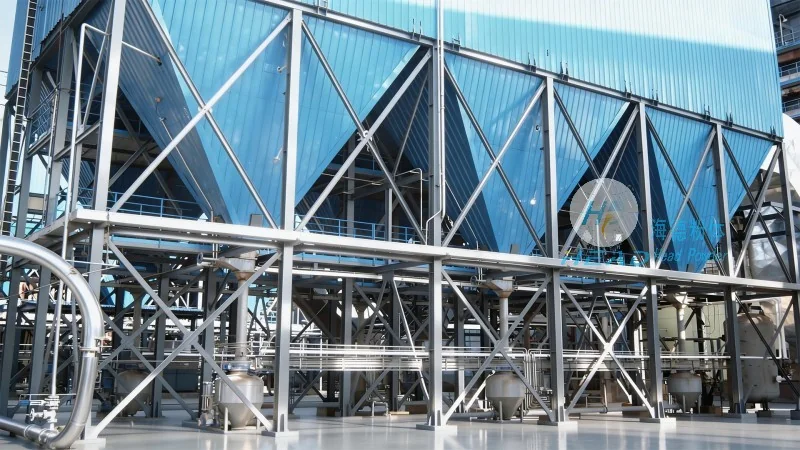
- Seal Integrity: Ensuring that all connections and components are tightly sealed to prevent dust leakage. This is achieved through the use of high-quality materials and precise manufacturing processes.
- Airflow Optimization: Designing the system to maintain consistent and controlled airflow, which is essential for efficient powder transport without causing excessive pressure drops or particle breakage.
- Material Compatibility: Selecting materials that are compatible with the specific powders being handled. This prevents corrosion, wear, and contamination, ensuring the longevity of the system.
- Energy Efficiency: Incorporating energy-saving features such as variable speed drives and efficient blowers to reduce operational costs while maintaining performance.
- Modular Design: Many systems are designed with modular components that allow for easy maintenance and scalability. This enables users to expand or modify the system as their needs evolve.
The Advantages of Using a Dust-Free Automatic Powder Conveying System
Implementing a dust-free automatic powder conveying system offers numerous benefits for industries dealing with powders. These advantages include:
- Enhanced Safety: By minimizing dust generation, the system reduces the risk of respiratory issues and other health hazards for workers.
- Improved Product Quality: Dust-free handling prevents contamination of the powder, ensuring that the final product meets the required quality standards.
- Increased Operational Efficiency: Automated systems reduce the need for manual labor, leading to faster processing times and higher productivity.
- Compliance with Regulations: These systems help companies comply with environmental and safety regulations, avoiding potential fines and legal issues.
- Cost Savings: Over time, the efficient operation and reduced maintenance requirements of such systems can lead to significant cost savings.
Conclusion: Choosing the Right Dust-Free Powder Conveying System
When selecting a dust-free automatic powder conveying system, it is essential to consider the specific requirements of your industry and application. HeadPowder, with its expertise and commitment to quality, offers reliable solutions that meet these needs. By understanding the design principles and components of such systems, businesses can make informed decisions that enhance their operational efficiency and safety.