

What is PE Granule Material Handling? What are the Design Principles?
PE granule material handling is a critical process in various industrial applications, focusing on the efficient movement of polyethylene (PE) granules from one location to another. This process is essential for maintaining production flow, ensuring material availability, and optimizing operational efficiency in manufacturing environments. The design principles behind PE granule handling systems are tailored to address the unique characteristics of PE materials, such as their lightweight, abrasive nature, and tendency to generate static electricity. By understanding these principles, industries can select and implement effective solutions that enhance productivity and reduce downtime.
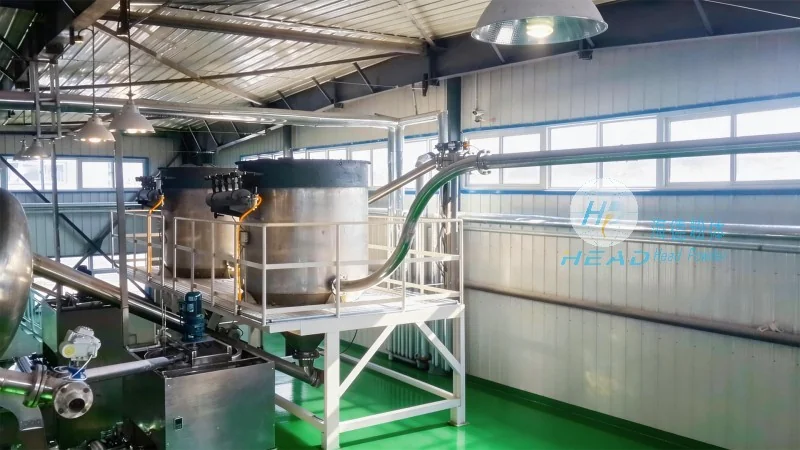
Understanding PE Granule Material Handling
PE granules are widely used in the production of plastics, coatings, and other polymer-based products. Their handling requires specialized equipment and systems to prevent material degradation, ensure consistent flow, and maintain safety standards. The process involves several key components, including storage, feeding, conveying, and discharge mechanisms. Each component must be designed to handle the specific properties of PE granules, which can vary based on molecular weight, density, and additives. For instance, some PE granules may be more prone to clumping or static buildup, necessitating additional measures like anti-static additives or grounding systems.
Key Design Principles for PE Granule Handling Systems
The design of PE granule handling systems follows several fundamental principles to ensure optimal performance. These principles include material compatibility, system integration, and operational efficiency. Material compatibility is crucial, as the equipment must be constructed from materials that resist chemical corrosion and wear from PE granules. Common materials used in the construction of these systems include stainless steel, aluminum, and specialized plastics that can withstand the abrasive nature of PE. System integration involves coordinating different components, such as hoppers, conveyors, and control panels, to work seamlessly together. This integration ensures smooth material flow and minimizes the risk of blockages or spills. Operational efficiency is achieved through the use of energy-efficient motors, variable speed drives, and automated controls that adjust the system based on real-time conditions. For example, a conveyor system may use a variable frequency drive to adjust the speed based on the amount of material being handled, preventing overloading and reducing energy consumption.
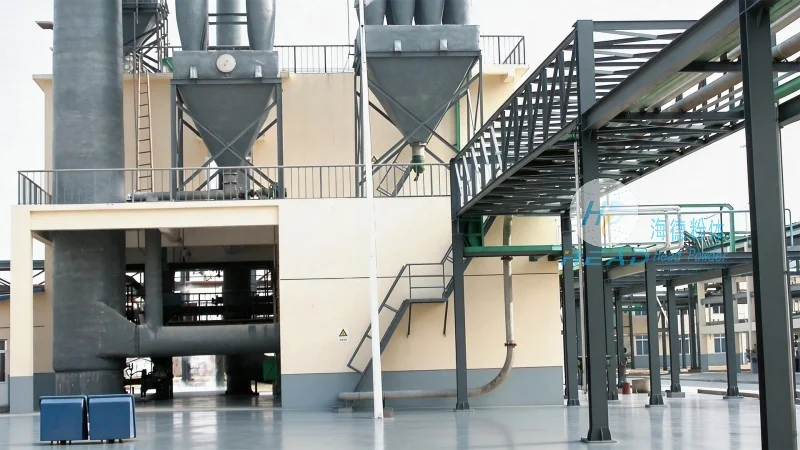
Components of a Typical PE Granule Handling System
A typical PE granule handling system consists of several interconnected components, each playing a vital role in the overall process. The primary components include a storage hopper, a feeding mechanism, a conveyor system, and a discharge unit. The storage hopper is designed to hold a large quantity of PE granules and is equipped with a lid to prevent contamination and dust accumulation. It may also feature a level sensor to monitor the material level and trigger an alert when the hopper is low. The feeding mechanism, often a rotary valve or a screw feeder, regulates the flow of granules from the hopper to the conveyor. This component ensures a consistent and controlled feed rate, preventing surges or backflow. The conveyor system, which can be a belt conveyor, screw conveyor, or pneumatic conveyor, transports the PE granules from the feeding point to the discharge location. The choice of conveyor type depends on the material characteristics and the distance to be covered. For example, a screw conveyor is suitable for vertical or inclined transport, while a belt conveyor is ideal for horizontal transport over longer distances. The discharge unit, such as a rotary valve or a gate valve, controls the release of PE granules from the conveyor system to the next stage of the production process. This component ensures that the material is discharged in a controlled manner, avoiding spills or blockages.
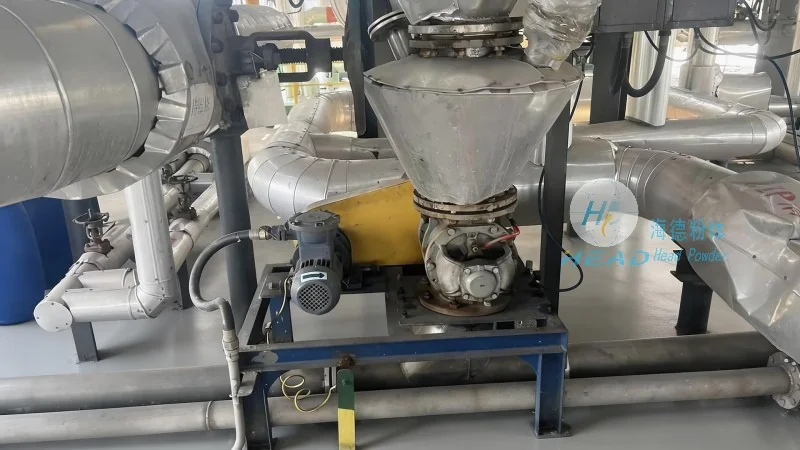
Challenges and Solutions in PE Granule Handling
Handling PE granules presents several challenges that must be addressed through proper design and maintenance. One of the main challenges is the tendency of PE granules to generate static electricity, which can lead to material buildup and sparks. To mitigate this, anti-static additives are often incorporated into the PE granules, or grounding systems are installed in the equipment to dissipate the static charge. Another challenge is the risk of material degradation due to friction or heat. This can be minimized by using smooth, non-abrasive surfaces in the equipment and avoiding high temperatures during transport. Additionally, PE granules may clump together, causing blockages in the conveyor system. To prevent this, the system may include a vibratory feeder or a pre-screening device to break up clumps before they enter the conveyor. Regular maintenance, such as cleaning and lubricating the components, is also essential to ensure the system operates efficiently and prolong its lifespan.
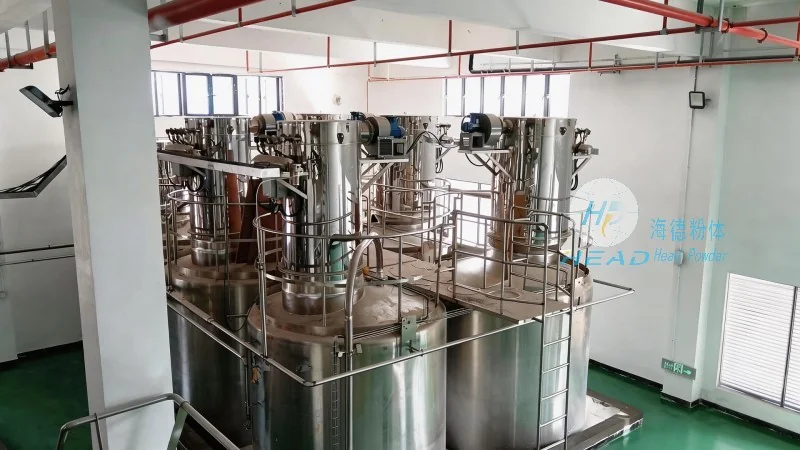
Case Study: HeadPowder's PE Granule Handling Solution
Shandong HeadPowder Engineering Co., Ltd., a leading provider of material handling solutions, specializes in designing and manufacturing PE granule handling systems tailored to the needs of various industries. The company's expertise lies in understanding the unique properties of PE materials and developing customized solutions that address specific challenges. For example, HeadPowder has developed a pneumatic conveying system for a plastic manufacturing plant that efficiently transports PE granules over a distance of 100 meters. The system uses a combination of positive and negative pressure to move the material, reducing the risk of blockages and ensuring consistent flow. The company also provides maintenance and support services to ensure the system operates at peak efficiency. By leveraging their experience and technical knowledge, HeadPowder helps industries improve their production processes and reduce operational costs.
Conclusion
PE granule material handling is a complex process that requires careful consideration of the material's properties and the design principles of the handling system. By implementing effective solutions, industries can enhance their productivity, ensure material quality, and maintain safety standards. Shandong HeadPowder Engineering Co., Ltd. offers comprehensive material handling solutions that address the unique needs of PE granule handling, providing customized systems and support to help industries achieve their operational goals. With their expertise and commitment to quality, HeadPowder is a trusted partner for businesses seeking to optimize their material handling processes.