

What is Mica Sand Powder Material Handling? And What Are Its Design Principles?
Mica sand powder material handling is a specialized field within industrial material processing that focuses on the efficient movement, storage, and transfer of mica sand powder—a fine, naturally occurring mineral powder widely used in various industries for its unique properties such as thermal stability, electrical insulation, and aesthetic appeal. As a critical component in applications ranging from construction materials to cosmetics and electronics, the proper handling of mica sand powder requires sophisticated systems designed to maintain product integrity, minimize dust generation, and ensure operational safety.
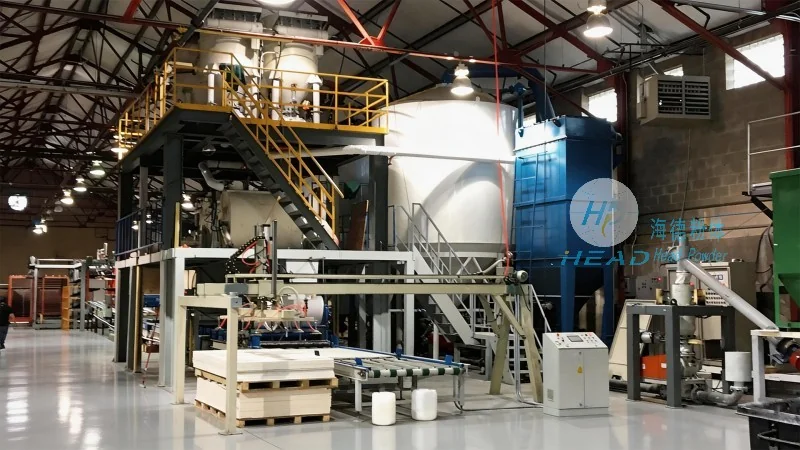
Understanding the Core Concepts of Mica Sand Powder Handling
Mica sand powder handling involves the entire lifecycle of mica sand—from raw material extraction and processing to storage, transportation, and final use. The primary goal is to ensure that the powder remains in a consistent, free-flowing state while preventing issues like caking, agglomeration, or excessive dust exposure. This requires a combination of engineering expertise, material science knowledge, and practical application to develop systems that are both effective and cost-efficient.
Key Design Principles for Mica Sand Powder Handling Systems
The design of mica sand powder handling systems is guided by several fundamental principles aimed at optimizing performance and safety. First, the system must be tailored to the specific characteristics of mica sand powder, including its particle size distribution, moisture content, and flowability. This involves selecting appropriate equipment such as hoppers, feeders, and conveyors that can handle fine powders without causing blockages or excessive wear. Second, dust control is paramount due to the health hazards associated with inhalable mica particles. Designers incorporate features like sealed enclosures, dust collection systems, and explosion-proof components to mitigate risks. Third, the system must ensure minimal product degradation, as mica sand powder is often sensitive to moisture and temperature changes. This may involve temperature-controlled storage and the use of inert gases in certain applications. Finally, the design must prioritize operational efficiency, balancing factors like energy consumption, maintenance requirements, and scalability to meet varying production demands.
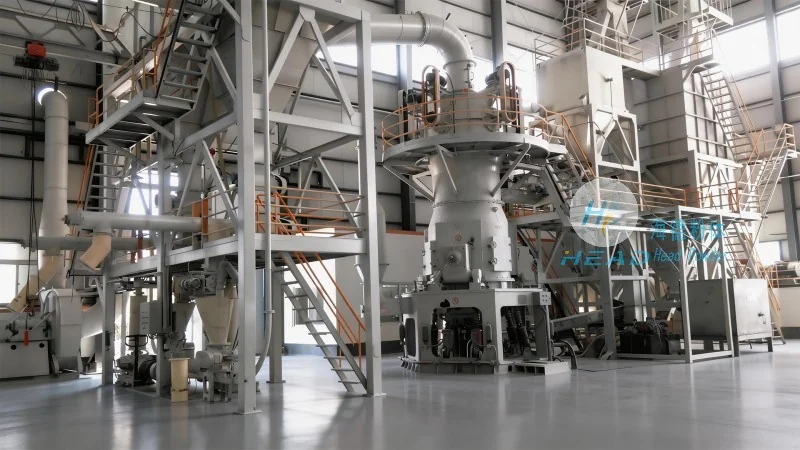
Components and Equipment in Mica Sand Powder Handling Systems
A typical mica sand powder handling system comprises several interconnected components, each playing a crucial role in the overall process. The primary equipment includes hoppers or silos for bulk storage, which are designed with sloped walls and anti-static coatings to prevent material buildup and ensure smooth discharge. Feeders, such as rotary valves or vibratory feeders, regulate the flow of powder from the storage vessel to downstream equipment, providing precise control over the material rate. Conveying systems, including pneumatic or mechanical conveyors, transport the powder between different stages of the process. Pneumatic conveyors, in particular, are popular for mica sand powder due to their ability to handle fine particles and minimize dust exposure. Additionally, the system may include dust collection units, such as baghouses or cartridge filters, to capture and recycle airborne particles, reducing environmental impact and improving workplace safety. Finally, control systems, often integrated with sensors and automation, monitor key parameters like pressure, flow rate, and temperature, enabling real-time adjustments and preventing system failures.
The Role of Material Properties in Handling Design
The physical and chemical properties of mica sand powder significantly influence the design of handling systems. For instance, the particle size distribution determines the choice of equipment; finer powders may require more precise control mechanisms to avoid clogging. Moisture content is another critical factor, as even small amounts of water can cause mica sand to clump or cake, leading to operational issues. Temperature sensitivity is also a consideration, as some applications require the powder to be kept at specific temperatures to maintain its properties. Engineers must consider these factors when selecting materials for equipment components, such as using corrosion-resistant stainless steel for hoppers or choosing appropriate seals to prevent moisture ingress. By understanding and accounting for these material properties, designers can create systems that are both effective and durable.
Applications and Industries Utilizing Mica Sand Powder Handling
Mica sand powder handling systems are essential in a wide range of industries that rely on the unique properties of mica. In the construction industry, mica sand is used as a filler in paints, coatings, and plasters, where its thermal stability and aesthetic finish are valued. The automotive industry employs mica sand in the production of high-performance paints and automotive coatings, while the cosmetics industry uses it in powders and foundations for its smooth texture and light-reflecting properties. The electronics industry also benefits from mica sand's electrical insulation properties, using it in components like capacitors and insulators. Each of these applications requires specialized handling systems to ensure the powder is delivered in the correct form and quality, highlighting the importance of robust material handling solutions.
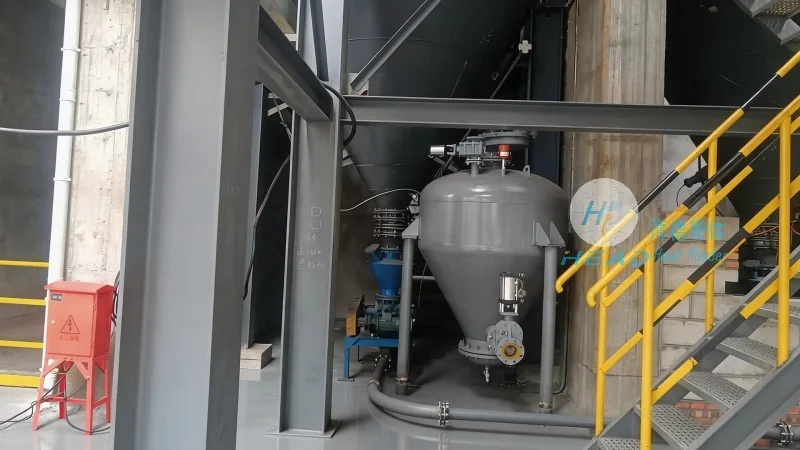
Challenges and Solutions in Mica Sand Powder Handling
Handling mica sand powder presents several challenges that must be addressed through thoughtful design and maintenance. One of the primary challenges is dust generation, which not only poses health risks but can also lead to equipment wear and product contamination. To mitigate this, designers incorporate dust collection systems and sealed equipment, ensuring that the powder remains contained throughout the process. Another challenge is the tendency of mica sand to form agglomerates or clogs, especially when exposed to moisture or high temperatures. This can be addressed by using anti-static coatings on equipment surfaces and incorporating vibratory or pneumatic agitation to maintain flowability. Additionally, the fine nature of the powder makes it susceptible to air currents, which can cause uneven distribution or loss of material. Proper sealing and the use of enclosed systems help to prevent these issues. By addressing these challenges through engineering solutions, mica sand powder handling systems can operate efficiently and reliably.
Conclusion: The Importance of Expert Design in Mica Sand Powder Handling
Mica sand powder material handling is a complex but essential process that requires careful consideration of material properties, system design, and operational requirements. The design principles and equipment used in these systems are tailored to the unique characteristics of mica sand powder, ensuring that it is handled safely, efficiently, and with minimal degradation. As industries continue to rely on mica sand for its valuable properties, the importance of robust material handling solutions will only grow. Companies like Shandong HeadPowder Engineering Co., Ltd., based in China, play a crucial role in developing and implementing these systems, leveraging their expertise to meet the diverse needs of their clients. By prioritizing safety, efficiency, and product integrity, mica sand powder handling systems contribute to the success of various industries and the sustainability of industrial operations.