

What is Calcium Hydroxide Powder Material Handling? And What Are the Design Principles?
Understanding the efficient handling of calcium hydroxide powder is crucial for industries that rely on this chemical compound. Calcium hydroxide, commonly known as slaked lime, is widely used in various applications such as construction, water treatment, and chemical manufacturing. The proper design of material handling systems for this powder ensures safety, efficiency, and cost-effectiveness in industrial operations. This article explores the key aspects of calcium hydroxide powder material handling and the underlying design principles that govern such systems, presented by Shandong HeadPowder Engineering Co., Ltd., a leading provider of material handling solutions in China.
Key Characteristics of Calcium Hydroxide Powder
Before delving into the material handling processes, it is essential to understand the physical and chemical properties of calcium hydroxide powder. This compound is typically a white or grayish powder with a fine texture, which can pose challenges during handling due to its dustiness and potential reactivity. The particle size distribution, moisture content, and bulk density are critical factors that influence the selection of appropriate equipment and handling methods. For instance, fine particles may require specialized equipment to prevent dust generation and ensure uniform flow. The chemical stability of calcium hydroxide under different environmental conditions also plays a role in the design of storage and transportation systems. These characteristics directly impact the design of material handling systems, as they determine the need for dust control measures, sealing, and temperature regulation.
Common Material Handling Equipment for Calcium Hydroxide Powder
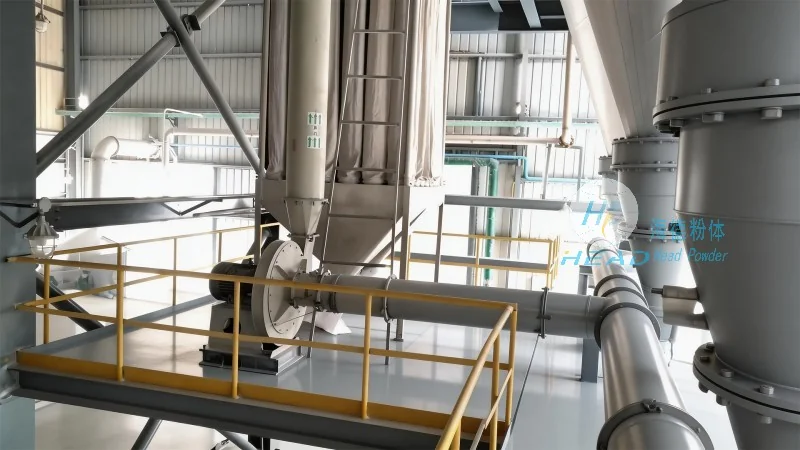
Several types of equipment are commonly used in the material handling of calcium hydroxide powder. Conveyors, such as belt conveyors and screw conveyors, are widely employed for transporting the powder from storage to processing areas. Belt conveyors are suitable for long-distance transport and can handle large volumes of material, while screw conveyors are effective for vertical or inclined transport due to their ability to maintain a consistent flow. Pneumatic conveying systems, including both positive and negative pressure systems, are also used for transporting calcium hydroxide powder, especially in applications requiring dust-free handling. These systems use air to move the powder through pipes, reducing the risk of dust exposure and contamination. Additionally, bucket elevators and chain conveyors are used in some industrial settings to lift and transport the powder vertically. The choice of equipment depends on factors like the volume of material, the distance to be covered, and the need for dust control. Proper maintenance and regular cleaning of these systems are essential to prevent blockages and ensure smooth operation.
Design Principles for Calcium Hydroxide Powder Handling Systems
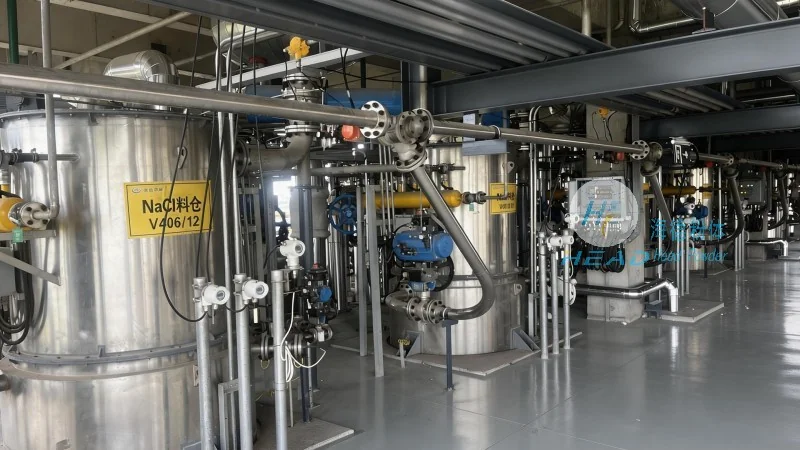
The design of calcium hydroxide powder handling systems follows several key principles to ensure safety, efficiency, and reliability. First, the system must be designed to minimize dust generation and exposure. This is achieved through the use of sealed equipment, dust collection systems, and proper ventilation. The use of explosion-proof components is also critical, as calcium hydroxide powder can be a dust explosion hazard under certain conditions. Second, the system should maintain the integrity of the powder, preventing caking, agglomeration, or degradation. This involves controlling moisture levels, temperature, and handling speed. For example, maintaining a consistent temperature and avoiding excessive shear forces can prevent the powder from clumping together. Third, the system must ensure proper flow and prevent blockages. This is achieved through the design of hopper shapes, the use of flow aids, and regular maintenance. The hopper design, such as using conical or wedge-shaped hoppers, helps to promote uniform flow and prevent material bridging. Flow aids, such as vibrators or air knives, can also be used to break up any agglomerates and ensure smooth flow. Fourth, the system should be designed for easy cleaning and maintenance. This includes features like removable parts, easy access to cleaning points, and the use of materials that are resistant to corrosion or chemical attack. The design also considers the environmental impact, such as minimizing waste and ensuring compliance with regulations.
Applications of Calcium Hydroxide Powder Handling Systems
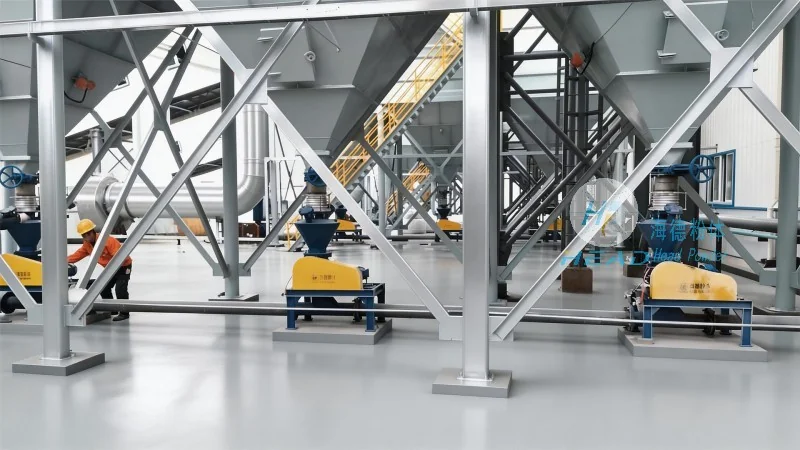
The efficient handling of calcium hydroxide powder is essential for various industrial applications. In the construction industry, calcium hydroxide is used as a component in cement and mortar, and the material handling systems ensure that the powder is delivered to the mixing plants in a consistent and controlled manner. In water treatment, calcium hydroxide is used to adjust pH levels and remove impurities, and the handling systems must maintain the purity of the powder to ensure effective treatment. In chemical manufacturing, calcium hydroxide is used as a raw material for producing other chemicals, and the handling systems must ensure that the powder is transported without contamination or degradation. The design of these systems varies depending on the specific application, but all follow the principles of safety, efficiency, and reliability. The use of advanced technologies, such as automated control systems and real-time monitoring, has improved the performance of calcium hydroxide powder handling systems, reducing downtime and increasing productivity.
Conclusion and Recommendations
In conclusion, the proper handling of calcium hydroxide powder is a critical aspect of industrial operations, and the design of material handling systems follows specific principles to ensure safety, efficiency, and reliability. The key factors to consider include dust control, powder integrity, flow management, and maintenance. The choice of equipment and system design depends on the specific application and operational requirements. It is recommended that industries invest in well-designed and maintained material handling systems to ensure the safe and efficient handling of calcium hydroxide powder. Regular inspections, maintenance, and training of personnel are essential to prevent accidents and ensure the long-term performance of the system. By following these guidelines, industries can optimize their calcium hydroxide powder handling processes and improve overall operational efficiency.