

What Are Hybrid Material Handling Equipment? And What Are Their Design Principles?
Hybrid material handling equipment has become a cornerstone of modern industrial operations, offering a sophisticated blend of traditional and advanced technologies to enhance material movement and storage processes. This article explores the definition of hybrid material handling equipment and delves into the core design principles that drive their functionality, with a focus on the expertise of Shandong HeadPowder Engineering Co., Ltd., a leading manufacturer in the field.
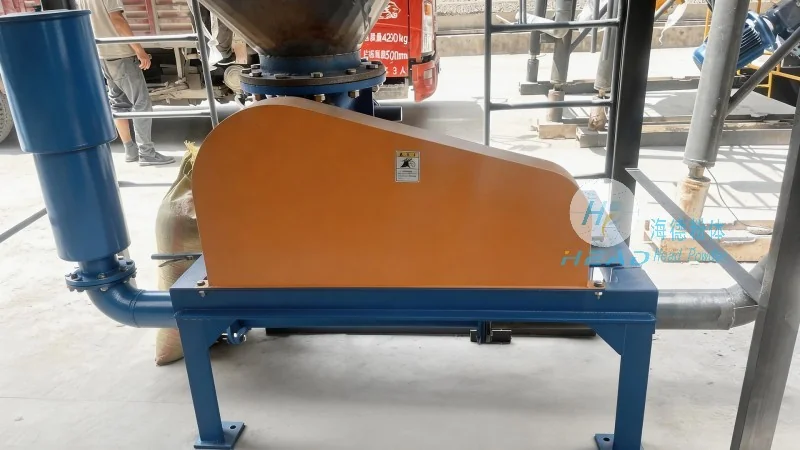
Understanding Hybrid Material Handling Equipment
Hybrid material handling equipment refers to systems that integrate multiple material handling technologies, such as conveyor systems, robotic arms, and automated guided vehicles (AGVs), into a unified solution. Unlike conventional equipment that relies on a single mechanism, hybrid solutions combine the strengths of different technologies to address diverse operational needs. For example, a hybrid conveyor system might incorporate both belt and roller mechanisms to handle a wide range of product sizes and weights, while also integrating robotic pick-and-place capabilities for precise item placement. This integration allows for greater flexibility and efficiency in material handling tasks, making hybrid equipment ideal for complex manufacturing and logistics environments.
Key Design Principles of Hybrid Material Handling Equipment
The design of hybrid material handling equipment is guided by several critical principles that ensure optimal performance and adaptability. One of the primary principles is modularity, which enables the equipment to be easily reconfigured or expanded to meet changing production demands. Modular designs allow users to add or remove components, such as additional conveyor sections or robotic arms, without significant downtime or reengineering. This flexibility is particularly valuable in dynamic industrial settings where product lines or operational requirements may evolve over time.
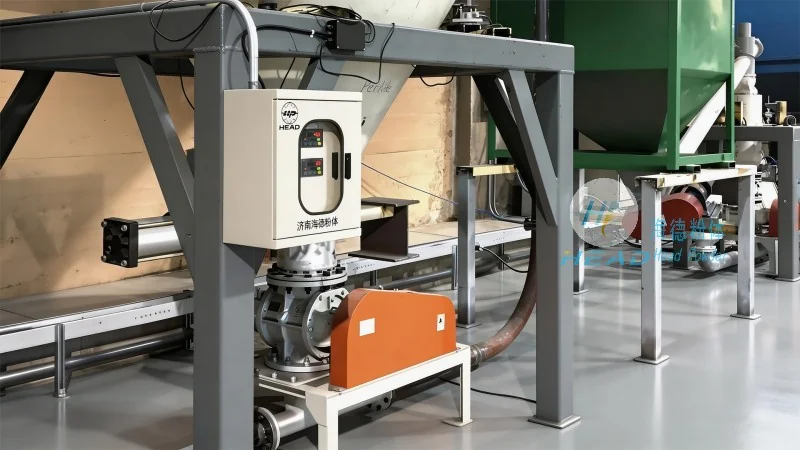
Another essential design principle is integration, which focuses on seamless communication and coordination between different components. Hybrid systems often utilize advanced control systems, such as programmable logic controllers (PLCs) or industrial automation software, to synchronize the operation of conveyor belts, robotic arms, and AGVs. This integration ensures that material flow is smooth and efficient, minimizing bottlenecks and reducing the risk of errors or delays. For instance, a hybrid system might use sensors to detect the position of items on a conveyor and automatically trigger a robotic arm to pick them up, ensuring a continuous and automated material handling process.
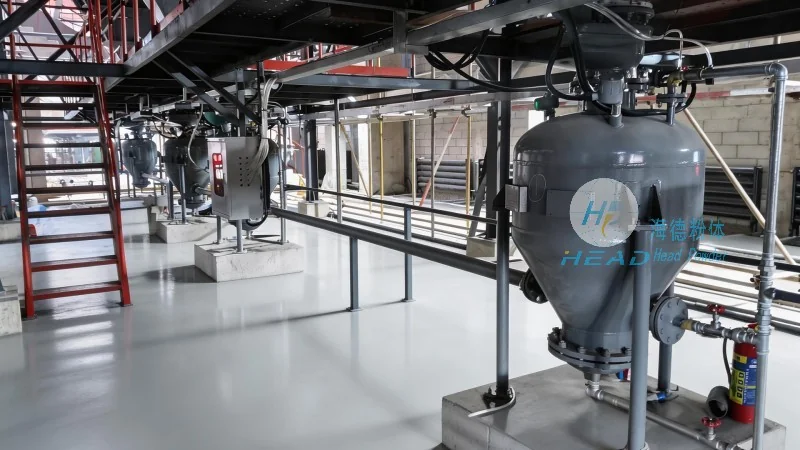
Efficiency is a central design principle for hybrid material handling equipment, as manufacturers aim to maximize throughput while minimizing energy consumption and operational costs. Designers employ various strategies to achieve this, including energy-efficient motor systems, optimized conveyor layouts, and intelligent control algorithms that adjust speed and power based on real-time demand. By reducing waste and improving productivity, hybrid equipment helps businesses lower their operational expenses and enhance their overall competitiveness in the market.
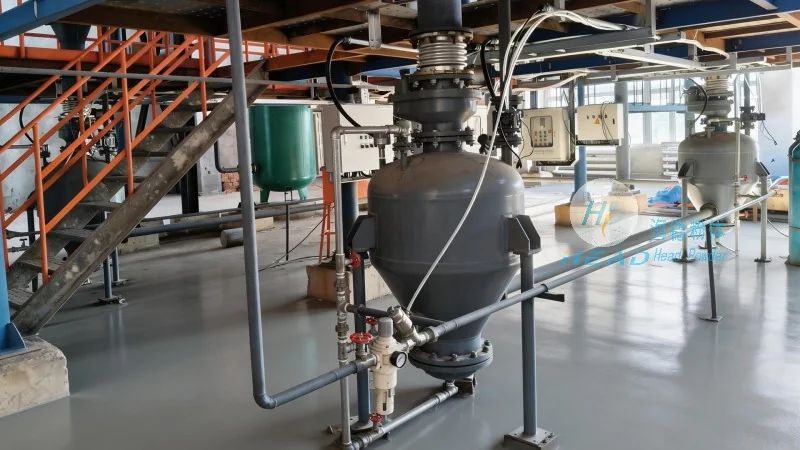
Applications and Benefits of Hybrid Material Handling Equipment
Hybrid material handling equipment is widely used across various industries, including manufacturing, warehousing, and logistics. In manufacturing, these systems are commonly employed in assembly lines to transport parts and components between workstations, while also integrating robotic arms for precise assembly tasks. In warehousing, hybrid solutions are used for order picking, inventory management, and cross-docking operations, combining conveyor systems with AGVs to streamline the movement of goods within the facility. The benefits of hybrid equipment extend beyond efficiency, as they also enhance safety and reduce labor costs. By automating repetitive tasks, hybrid systems minimize the risk of human error and workplace injuries, while also freeing up human workers to focus on more complex and value-added activities.
Conclusion
Hybrid material handling equipment represents a forward-thinking approach to optimizing material movement in industrial settings. By integrating multiple technologies and adhering to key design principles such as modularity, integration, and efficiency, these systems provide businesses with flexible, reliable, and cost-effective solutions for their material handling needs. As industries continue to evolve and demand more advanced operational capabilities, hybrid equipment is likely to play an increasingly vital role in shaping the future of material handling and logistics. Shandong HeadPowder Engineering Co., Ltd. remains at the forefront of this innovation, delivering tailored hybrid solutions that help clients achieve their operational goals.