

What is a Positive Pressure Pneumatic Conveying System? And What Are Its Design Principles?
Welcome to the official website of Shandong HeadPowder Engineering Co., Ltd., a leading manufacturer of industrial material handling solutions. Based in Shandong, China, our company specializes in the design, manufacturing, and supply of advanced pneumatic conveying systems. This article aims to provide a comprehensive overview of positive pressure pneumatic conveying systems, detailing their operational principles and key design considerations.
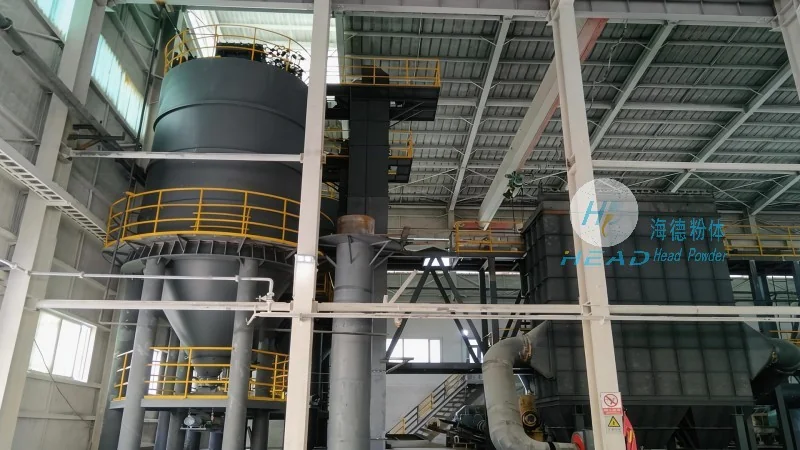
Introduction to Positive Pressure Pneumatic Conveying Systems
Positive pressure pneumatic conveying systems are a type of bulk material handling technology that uses compressed air to transport powders, granules, and other dry materials from one location to another. Unlike negative pressure systems, which create a vacuum to draw materials in, positive pressure systems actively push materials through a network of pipes using high-pressure air. This method offers several advantages, including efficient material transport over long distances, minimal product degradation, and the ability to handle a wide range of materials, from fine powders to larger particles.
What Are Positive Pressure Pneumatic Conveying Systems?
At its core, a positive pressure pneumatic conveying system consists of a blower or compressor that generates high-pressure air, a hopper or feeder to introduce the material, a pipeline network, and a receiver or discharge point. The system operates by introducing the material into the pipeline and then using the high-pressure air to propel it forward. The air and material mixture travels through the pipes until it reaches the discharge point, where the air is typically filtered and the material is collected. This process is continuous and can be highly automated, making it suitable for various industrial applications.
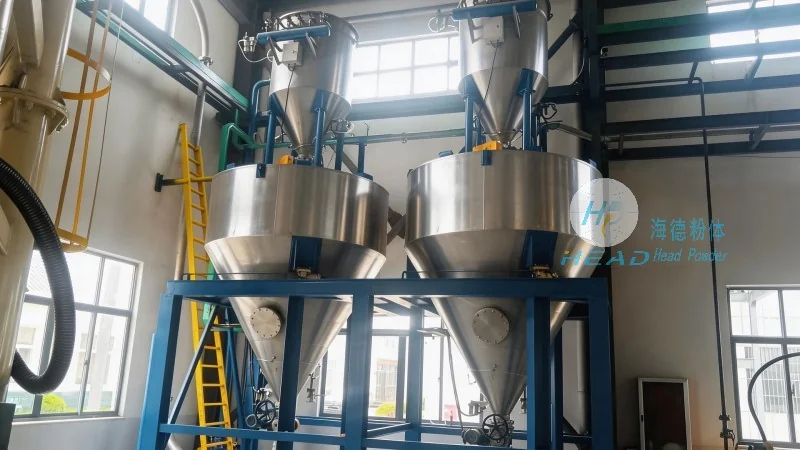
The Core Design Principles of These Systems
The design of a positive pressure pneumatic conveying system involves several critical principles to ensure efficient and reliable operation. First, the system must be designed to handle the specific properties of the material being conveyed, such as particle size, density, and moisture content. This includes selecting appropriate equipment, such as the blower or compressor, and the pipeline diameter and material. Second, the system must maintain sufficient air pressure to overcome friction losses and elevation changes in the pipeline. This often requires careful consideration of the system layout, including the number and placement of bends, elbows, and other components that can cause pressure drops. Third, the system must incorporate proper filtration and separation mechanisms to prevent material buildup and ensure clean air discharge. These design principles are crucial for optimizing the performance and longevity of the system.
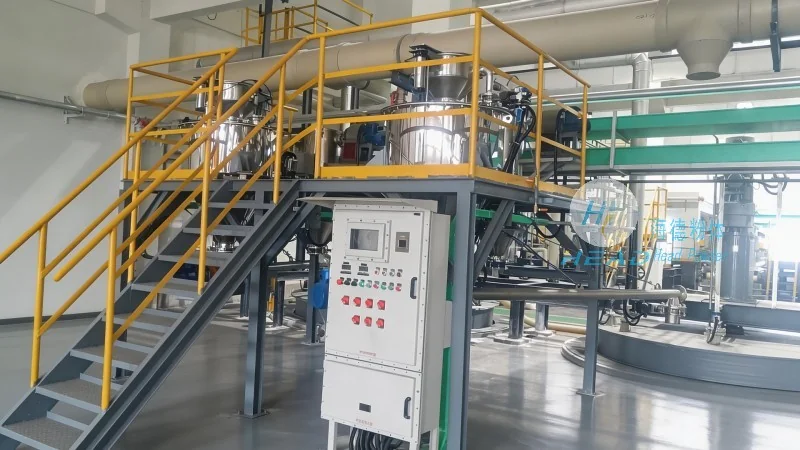
Key Components and Their Functions
Several key components make up a positive pressure pneumatic conveying system. The blower or compressor is the primary source of power, providing the necessary air pressure to move the material. The feeder or hopper is responsible for introducing the material into the system, ensuring a consistent flow rate. The pipeline network, typically made of stainless steel or other corrosion-resistant materials, transports the material and air mixture. The receiver or discharge point collects the material and may include a filter to remove any residual particles from the air. Additionally, the system may include components such as check valves, flow meters, and pressure regulators to control and monitor the operation. Each component plays a vital role in the overall efficiency and effectiveness of the system.
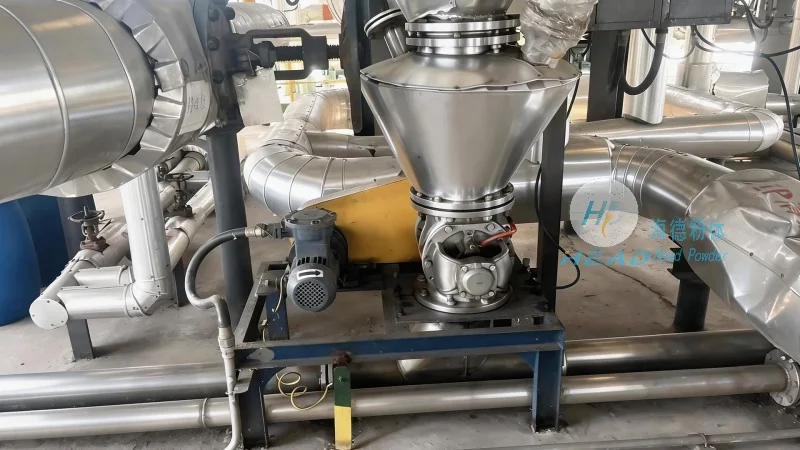
Benefits and Applications
Positive pressure pneumatic conveying systems offer numerous benefits that make them a preferred choice in many industries. These include high material throughput, minimal product degradation due to gentle handling, and the ability to transport materials over long distances without the need for multiple transfer points. The systems are also relatively easy to install and maintain, with many components being modular and replaceable. Applications of these systems range from food and pharmaceutical processing to chemical and mineral processing. They are commonly used for conveying materials like flour, sugar, powders, and granules, as well as bulk materials in manufacturing and processing plants.
About Shandong HeadPowder Engineering Co., Ltd.
Shandong HeadPowder Engineering Co., Ltd. is a reputable company based in Shandong, China, dedicated to providing high-quality industrial material handling solutions. With years of experience in the field, our company specializes in the design and manufacturing of positive pressure pneumatic conveying systems tailored to meet the specific needs of our clients. We leverage advanced technology and engineering expertise to develop systems that are efficient, reliable, and cost-effective. Our commitment to quality and customer satisfaction has made us a trusted partner in the industry, serving a wide range of clients across various sectors. We continue to innovate and improve our products to stay at the forefront of material handling technology.